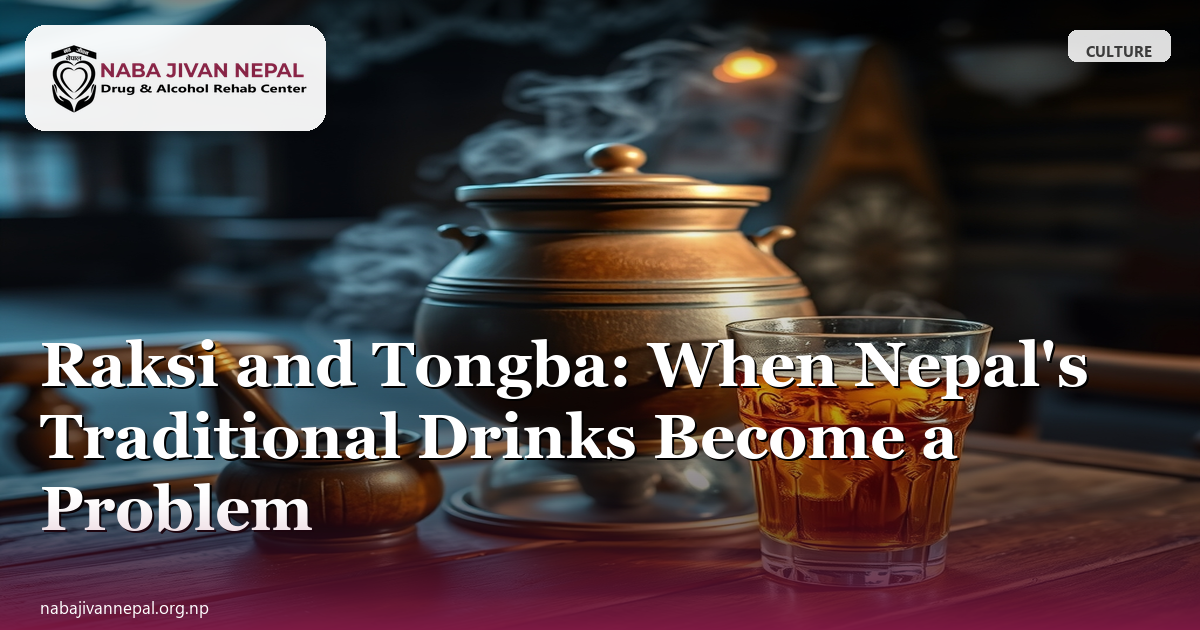
<>Raksi and Tongba: When Nepal’s Traditional Drinks Become a Problemelige Problem
Nepal, a country known for its rich cultural heritage and traditional practices, has a long history of consuming traditional drinks like Raksi and Tongba. These liquors have been an integral part of Nepalese social gatherings, festivals, and daily life for centuries. However, the widespread consumption of these drinks has led to a growing concern about their impact on individuals and society as a whole. Raksi addiction and Tongba alcohol consumption have become a significant problem in Nepal, affecting not only the health and well-being of individuals but also their relationships, work, and overall quality of life.
Traditional Drinks in Nepal: A Brief Overview
Raksi and Tongba are two of the most popular traditional drinks in Nepal. Raksi is a clear, white liquor made from fermented rice, millet, or other grains, while Tongba is a type of millet beer that is popular in the Himalayan regions. Both drinks have been an integral part of Nepalese culture for centuries, often served at social gatherings, festivals, and special occasions.
However, the traditional methods of producing and consuming these drinks have been largely replaced by modern manufacturing processes and increased availability. This has led to a significant increase in the consumption of Raksi and Tongba, often in excess and without proper regulation.
According to a study by the World Health Organization (WHO), the per capita consumption of pure alcohol in Nepal is 6.2 liters per person per year, which is higher than the global average. This excessive consumption has led to a range of health problems, including liver disease, cancer, and mental health issues.
The Risks of Raksi Addiction
Raksi addiction is a growing concern in Nepal, particularly among young people. The drink’s high alcohol content and easy availability have made it a popular choice among those looking to get drunk quickly. However, Raksi addiction can have serious consequences, including liver damage, mental health problems, and relationship issues.
A study by the Nepal Health Research Council found that Raksi addiction is a major public health concern in Nepal, with over 30% of men and 15% of women reporting Raksi consumption in the past year. The study also found that Raksi addiction is linked to a range of health problems, including liver disease, cancer, and mental health issues.
It’s worth noting that Raksi addiction is not just a personal problem, but also a social issue. Raksi addiction can lead to relationship problems, work issues, and social isolation, affecting not only the individual but also their loved ones and community.
The Impact of Tongba Alcohol ConsumptionThe Impact of Tongba Alcohol Consumption
Tongba alcohol consumption has also become a significant problem in Nepal, particularly in the Himalayan regions. The drink’s high alcohol content and easy availability have made it a popular choice among those looking to get drunk quickly. However, Tongba alcohol consumption can have serious consequences, including liver damage, mental health problems, and relationship issues.
A study by the Himalayan Health Journal found that Tongba alcohol consumption is a major public health concern in the Himalayan regions, with over 50% of men and 20% of women reporting Tongba consumption in the past year. The study also found that Tongba alcohol consumption is linked to a range of health problems, including liver disease, cancer, and mental health issues.
It’s worth noting that Tongba alcohol consumption is not just a personal problem, but also a social issue. Tongba alcohol consumption can lead to relationship problems, work issues, and social isolation, affecting not only the individual but also their loved ones and community.
Seeking Help for Raksi and Tongba Addiction
If you or someone you know is struggling with Raksi or Tongba addiction, it’s essential to seek help. Naba Jivan Nepal, a leading drug and alcohol rehabilitation center in Pokhara, offers professional help and support for individuals struggling with addiction. Our team of experienced therapists and counselors can help you overcome your addiction and achieve a healthier, happier life.
Contact us today at +9779864899917 to learn more about our services and how we can help you or your loved one overcome Raksi and Tongba addiction.
Breaking the Cycle of Addiction
Breaking the cycle of addiction requires a comprehensive approach that addresses the physical, emotional, and social aspects of addiction. At Naba Jivan Nepal, we offer a range of services and programs designed to help individuals overcome addiction and achieve long-term recovery.
Our services include individual and group counseling, family therapy, and support groups. We also offer a range of holistic therapies, including yoga, meditation, and art therapy, to help individuals manage stress and anxiety.
Our goal is to provide a safe and supportive environment where individuals can feel comfortable sharing their struggles and working towards recovery. We believe that everyone deserves a second chance, and we’re committed to helping individuals overcome addiction and achieve a healthier, happier life.
Overcoming Raksi and Tongba Addiction is Possible
Overcoming Raksi and Tongba addiction is possible with the right support and treatment. At Naba Jivan Nepal, we’re committed to helping individuals overcome addiction and achieve long-term recovery. Contact us today at +9779864899917 to learn more about our services and how we can help you or your loved one overcome Raksi and Tongba addiction.
Understanding the Cultural Significance of Raksi and Tongba
Raksi and Tongba are deeply ingrained in Nepalese culture, often associated with social gatherings, festivals, and celebrations. In many rural areas, these traditional drinks are an integral part of the community’s social fabric. However, this cultural significance can sometimes blur the lines between responsible consumption and excessive drinking.
It’s essential to recognize that Raksi and Tongba addiction can have a profound impact on individuals, families, and communities. By understanding the cultural context, we can begin to address the underlying issues and provide support to those struggling with addiction.
In Nepal, Raksi and Tongba are often consumed in social settings, such as during festivals like Dashain and Tihar. These events can be a time for celebration and community bonding, but they can also be a trigger for excessive drinking. It’s crucial to be mindful of our consumption and to prioritize responsible drinking practices.
Addressing Stigma and Seeking Help
One of the significant barriers to seeking help for Raksi and Tongba addiction is the stigma associated with it. In Nepalese culture, addiction is often viewed as a personal failing or a moral weakness. This stigma can prevent individuals from seeking help, fearing judgment or rejection from their community.
However, addiction is a treatable medical condition, and seeking help is a sign of strength, not weakness. At Naba Jivan Nepal, we provide a safe and confidential environment for individuals to seek help and support. Our team of experienced professionals is dedicated to helping individuals overcome addiction and achieve a healthier, happier life.
It’s essential to break the cycle of stigma and shame surrounding addiction. By speaking openly and honestly about addiction, we can create a more supportive and understanding community. If you or someone you know is struggling with Raksi or Tongba addiction, don’t hesitate to reach out for help.
Practical Tips for Reducing Raksi and Tongba Consumption
Reducing Raksi and Tongba consumption requires a combination of self-awareness, support, and strategies. Here are some practical tips to help you get started:
- Set limits: Establish a daily limit for Raksi and Tongba consumption and stick to it.
- Find alternative drinks: Explore other beverages, such as tea or juice, to reduce dependence on Raksi and Tongba.
- Seek support: Share your struggles with a trusted friend or family member and ask for their support.
- Engage in activities: Participate in hobbies, sports, or other activities to distract yourself from the urge to drink.
- Get professional help: If you’re struggling to control your consumption, consider seeking help from a professional addiction counselor.
Frequently Asked Questions
Q: What is Raksi addiction?
Raksi addiction is a pattern of behavior in which an individual consumes Raksi in excess, despite negative consequences to their physical and mental health, relationships, and daily life.
Q: Can I overcome Raksi addiction on my own?
While it’s possible to reduce Raksi consumption on your own, overcoming addiction often requires professional help and support. At Naba Jivan Nepal, our team of experienced professionals can provide you with the guidance and support you need to overcome addiction.
Q: Is Tongba addiction a serious problem in Nepal?
Yes, Tongba addiction is a significant problem in Nepal, particularly in rural areas. It’s essential to address this issue through education, awareness, and support services.
Q: How can I get help for Raksi and Tongba addiction?
At Naba Jivan Nepal, we provide a safe and confidential environment for individuals to seek help and support. Our team of experienced professionals is dedicated to helping individuals overcome addiction and achieve a healthier, happier life. Call us today at +9779864899917 for a free, confidential consultation.
Conclusion
Raksi and Tongba addiction is a complex issue that requires a comprehensive approach. By understanding the cultural significance of these traditional drinks, addressing stigma, and seeking help, we can begin to break the cycle of addiction and promote healthier, happier lives. If you or someone you know is struggling with Raksi or Tongba addiction, don’t hesitate to reach out for help.
Call to Action
At Naba Jivan Nepal, we’re committed to providing a safe and supportive environment for individuals struggling with addiction. If you’re ready to take the first step towards recovery, call us today at +9779864899917 for a free, confidential consultation. Our team of experienced professionals is here to help you overcome addiction and achieve a healthier, happier life.
Call Naba Jivan Nepal today at +9779864899917 for a free, confidential consultation.