<>Navigating the Complexities of Addiction Treatment in Nepal: Understanding the Impact of Caste and Social Class<>
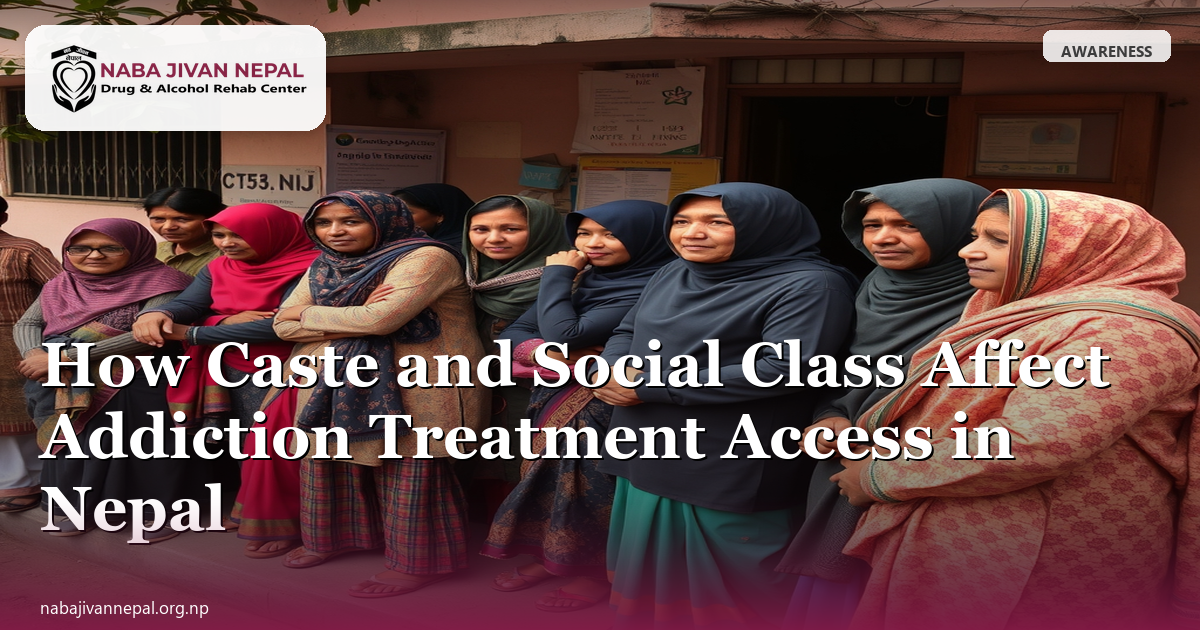
In Nepal, the struggle to overcome addiction is often exacerbated by the country’s deeply ingrained social hierarchies. The caste system, in particular, has long been a source of inequality and marginalization, with Dalits and other lower-caste communities facing significant barriers to accessing essential services, including healthcare and addiction treatment. This is a critical issue, as substance abuse is a growing concern in Nepal, with an estimated 1.4 million people struggling with addiction. Despite the availability of professional help, many individuals and families are unable to access the support they need due to systemic and social barriers.
Historical Roots of Inequality: The Caste System in Nepal
The caste system in Nepal has its roots in the country’s ancient Hindu traditions. The system is based on a strict hierarchy, with Brahmins and Chhetris considered to be at the top, followed by Dalits and other lower-caste communities. This hierarchy has been perpetuated over centuries, with lower-caste individuals facing significant social and economic marginalization. In the context of addiction treatment, this means that Dalits and other lower-caste individuals are often denied access to essential services, including healthcare and counseling.
Systemic Barriers to Addiction Treatment: A Lack of Inclusive Policies
In Nepal, addiction treatment services are often inaccessible to marginalized communities due to a lack of inclusive policies and practices. Many treatment centers are located in urban areas, making it difficult for rural communities to access services. Additionally, many treatment programs are based on Western models of addiction treatment, which may not be culturally sensitive or effective for Nepali communities. This lack of inclusivity has significant consequences, as marginalized individuals and families are denied access to the support they need to overcome addiction.
The Impact of Social Class on Addiction Treatment Access
Social class is another critical factor that affects addiction treatment access in Nepal. Individuals from lower socio-economic backgrounds often face significant barriers to accessing essential services, including healthcare and counseling. This is due in part to a lack of financial resources, as well as limited access to education and employment opportunities. In the context of addiction treatment, this means that individuals from lower socio-economic backgrounds are often denied access to services, exacerbating the cycle of addiction and marginalization.
Real-World Examples: The Struggle to Access Addiction Treatment in Nepal
The struggle to access addiction treatment in Nepal is a real and pressing concern. In 2019, a report by the Nepal Government’s Ministry of Health and Population found that only 12% of individuals struggling with addiction had access to treatment services. This is a critical issue, as addiction is a growing concern in Nepal, with an estimated 1.4 million people struggling with addiction. The lack of access to addiction treatment services has significant consequences, including increased rates of overdose and mortality.
Breaking Down Barriers: Professional Help is Available at Naba Jivan Nepal
Despite the significant barriers to accessing addiction treatment in Nepal, professional help is available at Naba Jivan Nepal, a leading drug and alcohol rehabilitation center in Pokhara. Our team of experienced counselors and therapists is dedicated to providing culturally sensitive and effective addiction treatment services to individuals and families from all backgrounds. If you or a loved one is struggling with addiction, please do not hesitate to contact us at +9779864899917. Together, we can break down the barriers to addiction treatment and provide the support you need to overcome addiction and achieve a healthier, happier life.
Addressing the Intersection of Caste and Social Class in Addiction Treatment
In Nepal, the intersection of caste and social class can create a complex web of barriers to addiction treatment access. For individuals from marginalized communities, such as the Dalit caste, the lack of access to quality healthcare and social services can exacerbate the challenges of addiction. At Naba Jivan Nepal, we recognize the importance of addressing these systemic inequalities and providing inclusive, culturally sensitive care to all individuals, regardless of their background.
Culturally Sensitive Care: A Key to Effective Addiction Treatment
Culturally sensitive care is essential for effective addiction treatment, particularly in a country like Nepal where cultural norms and values can play a significant role in shaping an individual’s experience of addiction. At Naba Jivan Nepal, our staff is trained to provide care that is sensitive to the cultural needs of our clients, including those from marginalized communities. This includes taking into account the cultural norms and values that may influence an individual’s experience of addiction, as well as providing care that is tailored to their specific needs and circumstances.
For example, in some Nepali communities, there may be a strong emphasis on family and social obligations, which can make it difficult for individuals to seek help for addiction due to concerns about shame or stigma. At Naba Jivan Nepal, we work with clients to address these concerns and provide care that is supportive of their cultural values and needs.
Community-Based Care: A Key to Long-Term Recovery
Community-based care is a key component of effective addiction treatment, particularly in a country like Nepal where community-based care has a long history of success. At Naba Jivan Nepal, we recognize the importance of community-based care and provide a range of services that are designed to support long-term recovery, including peer support groups, family therapy, and community-based treatment programs.
Our community-based care programs are designed to be culturally sensitive and tailored to the specific needs of our clients, including those from marginalized communities. This includes providing care that is supportive of their cultural values and needs, as well as providing education and support to help them navigate the challenges of addiction and recovery.
Breaking Down Barriers: Education and Awareness
Breaking down barriers to addiction treatment access requires education and awareness, particularly in a country like Nepal where there may be a lack of understanding about addiction and its causes. At Naba Jivan Nepal, we recognize the importance of education and awareness and provide a range of services that are designed to educate individuals and communities about addiction and its causes.
This includes providing education and awareness programs that are tailored to the specific needs of our clients, including those from marginalized communities. This includes providing information about the risks and consequences of addiction, as well as providing education and support to help individuals and communities navigate the challenges of addiction and recovery.
FAQs
- Q: What is the cost of addiction treatment at Naba Jivan Nepal?
- Q: Do you offer culturally sensitive care at Naba Jivan Nepal?
- Q: What types of addiction treatment services do you offer at Naba Jivan Nepal?
- Q: Do you offer support for individuals with co-occurring mental health conditions?
- Q: How can I get in touch with Naba Jivan Nepal?
A: The cost of addiction treatment at Naba Jivan Nepal varies depending on the specific services and programs that are required. We offer a range of payment options, including insurance coverage and sliding scale fees, to make our services accessible to all individuals, regardless of their financial situation.
A: Yes, we offer culturally sensitive care at Naba Jivan Nepal. Our staff is trained to provide care that is sensitive to the cultural needs of our clients, including those from marginalized communities.
A: We offer a range of addiction treatment services at Naba Jivan Nepal, including individual and group therapy, peer support groups, family therapy, and community-based treatment programs.
A: Yes, we offer support for individuals with co-occurring mental health conditions at Naba Jivan Nepal. Our staff is trained to provide care that is sensitive to the needs of individuals with co-occurring conditions and can provide referrals to mental health services as needed.
A: You can get in touch with Naba Jivan Nepal by calling us at +9779864899917 or by visiting our website at nabajivan.com.
Conclusion
At Naba Jivan Nepal, we recognize the importance of addressing the intersection of caste and social class in addiction treatment access. We believe that all individuals, regardless of their background, deserve access to quality healthcare and social services, and we are committed to providing culturally sensitive care to all of our clients. If you or someone you know is struggling with addiction, please don’t hesitate to reach out to us for support.
Call to Action
Call Naba Jivan Nepal today at +9779864899917 for a free, confidential consultation.