<>Breaking the Silence: Understanding the Addiction Crisis in Nepal’s Masculine Culture<>
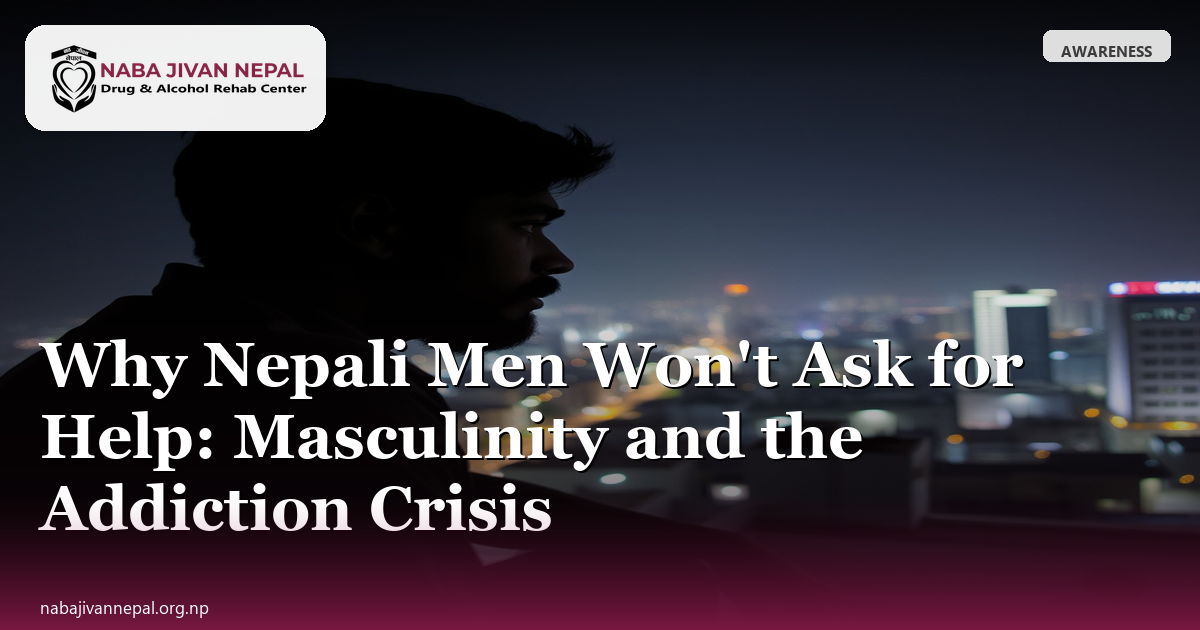
In Nepal, the stigma surrounding mental health and addiction is deeply ingrained in the societal fabric, particularly when it comes to men. The traditional Nepali cultural values of masculinity emphasize strength, resilience, and self-reliance, making it difficult for men to admit vulnerability and seek help. This cultural narrative has contributed to a silent epidemic of addiction among Nepali men, with devastating consequences for their families, communities, and the nation as a whole.
The Cultural Roots of Masculinity in Nepal
In Nepal, masculinity is often associated with traditional roles such as agriculture, trade, and entrepreneurship. Men are expected to be the breadwinners, providers, and protectors of their families. This emphasis on masculinity can lead to a sense of invincibility, making it challenging for men to acknowledge their vulnerabilities and seek help when struggling with addiction. The cultural pressure to conform to these traditional norms can be overwhelming, causing men to hide their struggles behind a mask of strength and resilience.
According to a study by the World Health Organization (WHO), Nepal has one of the highest rates of alcohol consumption in the South-East Asia region. The study found that 70% of men in Nepal consume alcohol, with 30% of them drinking excessively. This excessive drinking is often linked to social and cultural factors, including the pressure to conform to traditional masculine norms.
The Impact of Addiction on Nepali Men and Their Families
Addiction can have a profound impact on Nepali men and their families, leading to financial instability, relationship breakdowns, and social isolation. The stigma surrounding addiction can make it difficult for men to seek help, leading to a cycle of shame and secrecy. This can further exacerbate the problem, causing men to become increasingly isolated and withdrawn.
A study by the Nepal Health Research Council found that 60% of men who struggle with addiction experience relationship problems, while 40% experience financial difficulties. The study also found that 70% of men who struggle with addiction experience social isolation, making it difficult for them to seek help and support.
The Need for Professional Help and Support
While the cultural and societal factors contributing to addiction among Nepali men are complex and deeply ingrained, there is hope for recovery and healing. Professional help and support are available at Naba Jivan Nepal, a leading drug and alcohol rehabilitation center in Pokhara. With a team of experienced therapists and counselors, Naba Jivan Nepal offers a comprehensive range of services, including individual and group therapy, counseling, and support groups.
At Naba Jivan Nepal, we understand the challenges of addiction and the importance of seeking help. Our team is committed to providing a safe, supportive, and non-judgmental environment for men to explore their struggles and work towards recovery. If you or someone you know is struggling with addiction, please don’t hesitate to reach out. Call us today at +9779864899917 to learn more about our services and how we can help.
Breaking Down the Barriers to Seeking Help
Breaking down the barriers to seeking help is crucial in addressing the addiction crisis among Nepali men. This requires a multifaceted approach that involves raising awareness about the importance of seeking help, reducing stigma and shame, and increasing access to professional services. By working together, we can create a society that supports and encourages men to seek help when struggling with addiction.
At Naba Jivan Nepal, we are committed to breaking down the barriers to seeking help and providing a safe and supportive environment for men to explore their struggles and work towards recovery. Our team is dedicated to helping men overcome addiction and achieve a healthier, happier life.
The Role of Community in Supporting Recovery
The role of community in supporting recovery is crucial in addressing the addiction crisis among Nepali men. A supportive community can provide a sense of belonging, connection, and purpose, which are essential for recovery. By building a strong support network, men can feel more confident and motivated to seek help and work towards recovery.
A study by the Substance Abuse and Mental Health Services Administration (SAMHSA) found that men who have a strong support network are more likely to seek help and stay in treatment. The study also found that men who have a supportive community are more likely to experience long-term recovery and improved mental health outcomes.
Conclusion
In conclusion, the addiction crisis among Nepali men is a complex and deeply ingrained issue that requires a multifaceted approach to address. By understanding the cultural and societal factors contributing to addiction, we can begin to break down the barriers to seeking help and provide a safe and supportive environment for men to explore their struggles and work towards recovery. At Naba Jivan Nepal, we are committed to helping men overcome addiction and achieve a healthier, happier life.
Overcoming the Stigma of Addiction: Strategies for Nepali Men
Nepali men often struggle with the stigma associated with addiction, which can make it difficult for them to seek help. However, there are strategies that can help overcome this stigma and encourage men to seek treatment. One approach is to focus on the physical and emotional benefits of recovery, rather than the negative consequences of addiction. For example, men can learn about the ways in which addiction affects their physical health, such as increased risk of heart disease and liver damage. They can also learn about the emotional benefits of recovery, such as improved mood and reduced stress levels.
Another strategy is to emphasize the importance of seeking help as a sign of strength, rather than weakness. In Nepali culture, men are often expected to be strong and resilient, but this can sometimes make it difficult for them to admit when they need help. By framing seeking help as a sign of strength, men can begin to see it as a positive and empowering experience.
Finally, men can learn about the ways in which they can support their loved ones along the path to recovery. This can include providing emotional support, helping with daily tasks, and encouraging them to seek professional help. By taking an active role in supporting their loved ones, men can help create a supportive and non-judgmental environment that encourages them to seek help.
At Naba Jivan Nepal, we understand the unique challenges that Nepali men face when it comes to seeking help for addiction. That’s why we offer a range of services and support groups that are tailored to meet the specific needs of men in our community. Our team of experienced professionals is dedicated to providing a safe and supportive environment that encourages men to seek help and achieve long-term recovery.
The Importance of Male Peer Support in Recovery
Male peer support is an essential component of the recovery process, particularly for Nepali men who may feel isolated or disconnected from their community. By connecting with other men who have experienced similar struggles, men can find a sense of camaraderie and support that can help them stay on track with their recovery. At Naba Jivan Nepal, we offer a range of male peer support groups that provide a safe and supportive environment for men to share their experiences and connect with others who understand what they’re going through.
Our male peer support groups are led by experienced facilitators who have a deep understanding of the challenges that men face when it comes to addiction. These groups provide a safe and non-judgmental space for men to share their experiences, work through their struggles, and connect with others who are going through similar challenges. By participating in our male peer support groups, men can find the support and encouragement they need to stay on track with their recovery and achieve long-term success.
Nepali Culture and the Role of Family in Recovery
In Nepali culture, family is highly valued and plays a central role in the recovery process. By involving family members in the recovery process, men can create a supportive and non-judgmental environment that encourages them to seek help and achieve long-term recovery. At Naba Jivan Nepal, we understand the importance of family in the recovery process and offer a range of services and support groups that involve family members in the recovery process.
Our family support groups provide a safe and supportive environment for family members to share their experiences, work through their struggles, and connect with others who are going through similar challenges. By participating in our family support groups, family members can find the support and encouragement they need to stay on track with their loved one’s recovery and achieve long-term success.
Practical Tips for Nepali Men Seeking Help for Addiction
Seeking help for addiction can be a daunting experience, particularly for Nepali men who may feel isolated or disconnected from their community. However, there are practical tips that can help make the process easier and more manageable. Here are a few tips to consider:
- Seek help from a trusted friend or family member. Talking to someone you trust can help you feel more comfortable and confident in seeking help.
- Research local treatment options. Look for programs that are tailored to meet the specific needs of Nepali men and offer a range of services and support groups.
- Consider seeking help from a male peer support group. Connecting with other men who have experienced similar struggles can help you feel more connected and supported.
- Don’t be afraid to ask for help. Seeking help is a sign of strength, not weakness.
FAQs
Q: What is the cost of treatment at Naba Jivan Nepal?
A: The cost of treatment at Naba Jivan Nepal varies depending on the specific services and support groups you need. We offer a range of payment options and sliding scale fees to make our services more accessible to men in our community.
Q: What kind of support groups do you offer?
A: We offer a range of support groups, including male peer support groups, family support groups, and individual counseling sessions. Our support groups are led by experienced facilitators who have a deep understanding of the challenges that men face when it comes to addiction.
Q: What kind of services do you offer?
A: We offer a range of services, including individual counseling sessions, group therapy, and family therapy. Our services are tailored to meet the specific needs of Nepali men and are designed to help you achieve long-term recovery.
Q: How long does treatment typically last?
A: The length of treatment at Naba Jivan Nepal varies depending on your individual needs and goals. Some men may need a few weeks of treatment, while others may need several months or even years of treatment. Our team of experienced professionals will work with you to develop a treatment plan that meets your unique needs and goals.
Q: Do you offer aftercare services?
A: Yes, we offer aftercare services to help you stay on track with your recovery and achieve long-term success. Our aftercare services include regular check-ins with your treatment team, ongoing support groups, and access to our 24/7 hotline.
Conclusion
Seeking help for addiction can be a daunting experience, particularly for Nepali men who may feel isolated or disconnected from their community. However, by understanding the unique challenges that men face when it comes to addiction and seeking help, men can begin to see the benefits of recovery and take the first steps towards achieving long-term success. At Naba Jivan Nepal, we are committed to providing a safe and supportive environment that encourages men to seek help and achieve long-term recovery.
Call to Action
Don’t wait any longer to seek help for addiction. Call Naba Jivan Nepal today at +9779864899917 for a free, confidential consultation. Our team of experienced professionals is dedicated to providing a safe and supportive environment that encourages men to seek help and achieve long-term recovery.