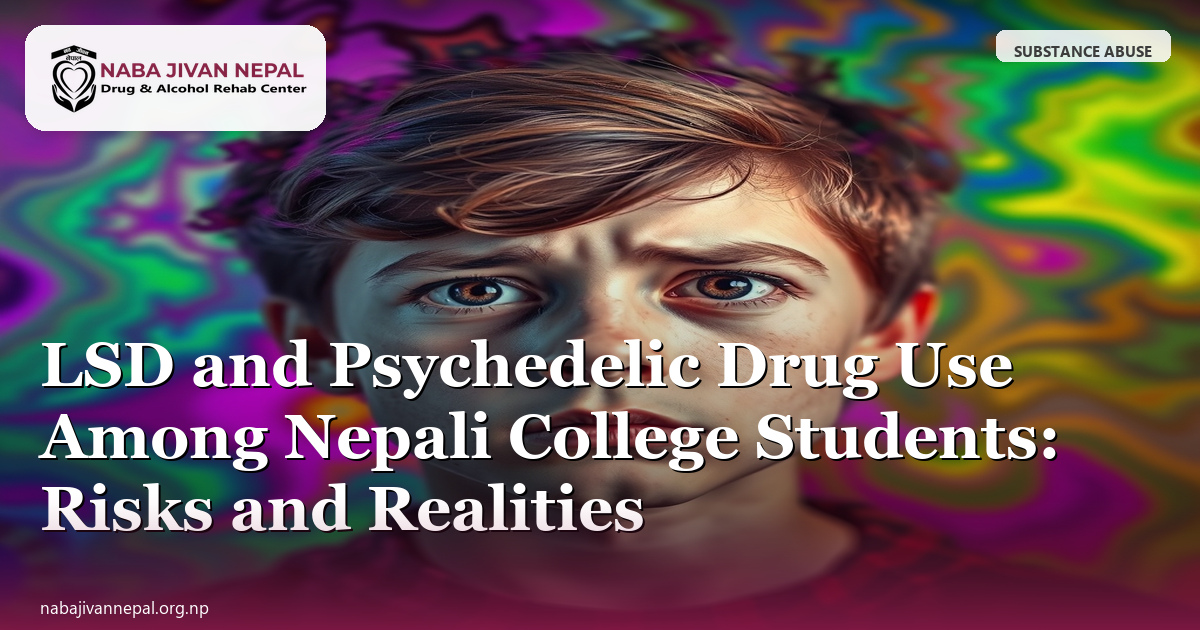
Nepal, a country known for its serene Himalayan landscapes and rich cultural heritage, is facing a growing concern regarding the use of LSD and other psychedelic drugs among its college students. According to a recent study, nearly 1 in 5 Nepali college students have tried LSD at least once in their lifetime. This alarming trend is not only a cause for concern but also a reflection of the changing attitudes and behaviors of the youth in Nepal.
Prevalence of LSD Use Among Nepali College Students
A survey conducted by the Nepal Youth Foundation found that 21.4% of college students in Nepal have tried LSD, while 12.5% have used it in the past year. These numbers are particularly concerning given the fact that many of these students are still in their early twenties, a critical period of development that can have long-lasting effects on their physical and mental health. The survey also revealed that the use of LSD is more prevalent among students from urban areas, with 27.1% of respondents from Kathmandu reporting having tried the substance.
The Risks of LSD Use Among College Students
LSD is a powerful hallucinogenic drug that can have serious consequences for college students. The use of LSD has been linked to an increased risk of anxiety, depression, and psychosis, particularly among young people. Additionally, LSD can also impair cognitive function, including memory and attention, which can negatively impact academic performance. Furthermore, the use of LSD can also lead to addiction, with some studies suggesting that up to 30% of users may develop a dependence on the substance.
Nepal-Specific Context: Cultural and Social Factors
In Nepal, the use of LSD and other psychedelic drugs is often seen as a status symbol, particularly among young people. The country’s cultural and social norms often emphasize the importance of social status and peer acceptance, which can lead to a desire to experiment with substances like LSD. Additionally, the lack of awareness and education about the risks of LSD use can also contribute to its prevalence among college students. According to a study published in the Journal of Substance Abuse, only 12.5% of Nepali college students reported having received information about the risks of LSD use from their parents or teachers.
Real-Life Examples: Stories of LSD Addiction in Nepal
The consequences of LSD use can be devastating, particularly for young people. One such example is the story of a 22-year-old college student from Pokhara who became addicted to LSD after using it to cope with stress and anxiety. The student, who wishes to remain anonymous, reported that he started using LSD during his first year of college and quickly became dependent on the substance. He lost his job, dropped out of college, and was eventually hospitalized for his addiction. His story is a stark reminder of the risks of LSD use and the importance of seeking help if you or someone you know is struggling with addiction.
Seeking Help at Naba Jivan Nepal
If you or someone you know is struggling with LSD addiction or other substance use disorders, there is help available. Naba Jivan Nepal, a leading drug and alcohol rehabilitation center in Pokhara, offers comprehensive treatment programs for individuals struggling with addiction. Their team of experienced professionals provides a safe and supportive environment for individuals to overcome their addiction and achieve long-term recovery. To learn more about their services or to schedule an appointment, please call +9779864899917.
Understanding the Psychology Behind LSD Use Among Nepali College Students
Nepali college students who use LSD often report feeling a sense of excitement and liberation, which can be attributed to the drug’s ability to alter their perception of reality. However, this sense of euphoria can quickly turn into a downward spiral of addiction and social isolation. It’s essential to understand the psychological factors that contribute to LSD use among Nepali college students, including the desire for social status, the need for escapism, and the influence of peer pressure.
Research suggests that Nepali college students who use LSD often do so as a way to cope with stress, anxiety, and depression. The drug’s ability to provide a temporary escape from these negative emotions can be appealing, especially in a culture where mental health is often stigmatized. However, this coping mechanism can ultimately lead to more significant problems, including addiction, relationship issues, and academic decline.
It’s also worth noting that the influence of social media can play a significant role in promoting LSD use among Nepali college students. The widespread availability of information about LSD and other psychedelic drugs on social media platforms can create a sense of normalcy and make it seem like everyone is using these substances. This can lead to a false sense of security and a lack of awareness about the risks associated with LSD use.
Nepal-Specific Factors Contributing to LSD Use Among College Students
Nepal has a unique cultural and social context that contributes to the prevalence of LSD use among college students. The country’s history of conflict and social change has led to a generation of young people who are seeking thrills and excitement. The availability of LSD and other psychedelic drugs in Nepal’s cities, particularly in Pokhara, has made it easier for college students to access these substances.
Additionally, the Nepali education system places a strong emphasis on academic achievement, which can lead to stress and anxiety among students. The pressure to perform well in exams and secure good grades can drive students to seek escape mechanisms, including LSD use. The lack of mental health resources and support services in Nepal’s colleges and universities can also contribute to the prevalence of LSD use among students.
It’s essential to address these Nepal-specific factors and provide support services that cater to the unique needs of Nepali college students. This can include counseling services, academic support, and harm reduction programs that promote safe and responsible substance use.
Practical Tips for Parents and Guardians
If you’re a parent or guardian of a Nepali college student, it’s essential to be aware of the risks associated with LSD use. Here are some practical tips to help you support your child:
- Communicate openly: Talk to your child about the risks of LSD use and the importance of making healthy choices.
- Monitor their behavior: Keep an eye on your child’s behavior and watch for signs of substance use, such as changes in mood, appetite, or sleep patterns.
- Encourage responsible behavior: Encourage your child to engage in responsible and healthy activities, such as exercise, sports, or hobbies.
- Seek professional help: If you suspect that your child is using LSD or other substances, seek professional help from a counselor or therapist.
Frequently Asked Questions
Q: What are the short-term effects of LSD use?
A: The short-term effects of LSD use can include altered perception, hallucinations, and changes in mood. These effects can last for several hours and can be unpredictable.
Q: Is LSD use addictive?
A: Yes, LSD use can be addictive. The drug can lead to physical and psychological dependence, and users may experience withdrawal symptoms when they try to stop using it.
Q: Can LSD use lead to long-term health problems?
A: Yes, LSD use can lead to long-term health problems, including mental health issues, such as depression and anxiety, and physical health problems, such as respiratory and cardiovascular issues.
Q: How can I help a friend who is using LSD?
A: If you suspect that a friend is using LSD, try to approach the situation with empathy and understanding. Encourage your friend to seek professional help from a counselor or therapist, and offer to support them in their recovery.
Q: What are the signs of LSD overdose?
A: The signs of LSD overdose can include extreme agitation, confusion, and hallucinations. If you suspect that someone has overdosed on LSD, call emergency services immediately.
Conclusion
LSD use among Nepali college students is a complex issue that requires a comprehensive approach. It’s essential to address the cultural and social factors that contribute to this problem, provide support services that cater to the unique needs of Nepali college students, and promote responsible and healthy behavior. By working together, we can reduce the prevalence of LSD use among Nepali college students and promote a healthier and safer community.
Call to Action
If you or someone you know is struggling with LSD use or other substance use issues, call Naba Jivan Nepal today at +9779864899917 for a free, confidential consultation. Our team of experienced counselors and therapists are here to support you in your recovery journey.