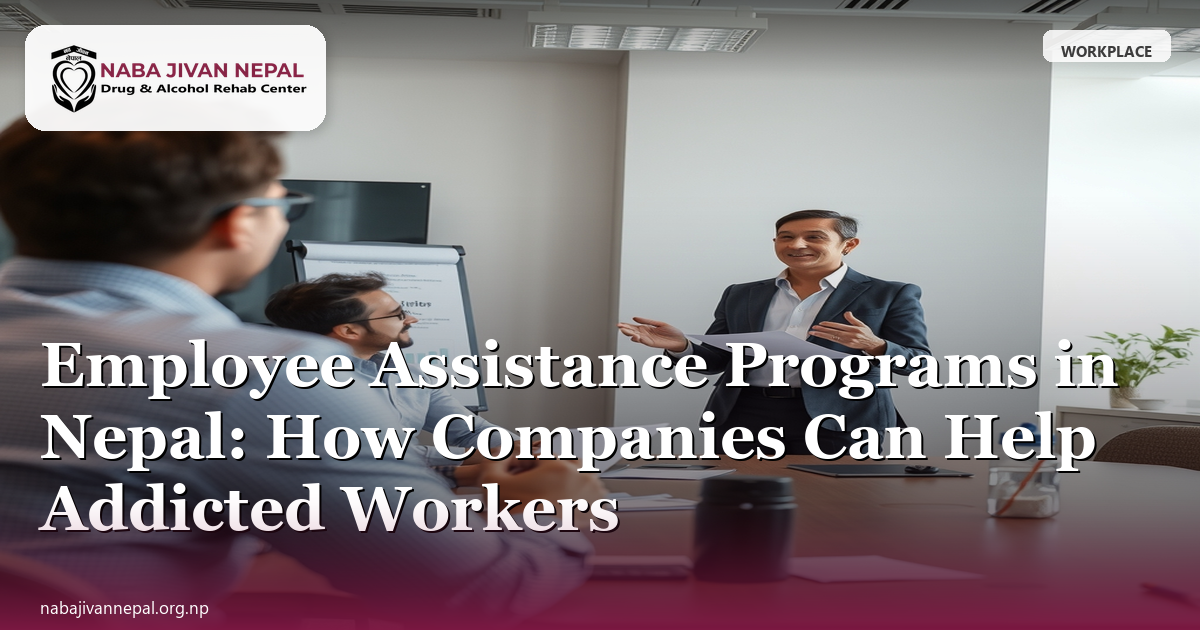
<>Employee Assistance Programs in Nepal: How Companies Can Help Addicted Workers<>
<>The Reality of Workplace Addiction in Nepal<>
In Nepal, the growing concern of workplace addiction is a pressing issue that affects not only the individual but also the organization as a whole. According to a study by the World Health Organization (WHO), approximately 1 in 5 people in Nepal suffer from substance abuse, with the majority being between the ages of 15 and 44. This demographic is also the most likely to be employed, making workplace addiction a significant concern for employers.
<>The Impact of Addiction on the Workplace<>
Addiction can have a devastating impact on the workplace, affecting not only the individual but also their colleagues and the organization as a whole. Some of the consequences of addiction in the workplace include:
- Decreased productivity and performance
- Increased absenteeism and tardiness
- Strained relationships with colleagues and supervisors
- Decreased job satisfaction and morale
- Increased risk of accidents and errors
<>The Benefits of Employee Assistance Programs (EAPs)<>
Employee Assistance Programs (EAPs) are confidential counseling services that provide employees with support and resources to address personal and work-related issues, including addiction. EAPs can benefit employees in several ways, including:
- Access to confidential counseling and support
- Improved mental health and well-being
- Increased job satisfaction and productivity
- Reduced absenteeism and tardiness
- Improved relationships with colleagues and supervisors
<>Why Employers in Nepal Should Implement EAPs<>
Implementing EAPs in Nepal can have numerous benefits for employers, including:
- Reduced turnover and recruitment costs
- Improved employee morale and job satisfaction
- ふesd productivity and performance
- Reduced absenteeism and tardiness
- Improved reputation and competitiveness
<>Seeking Professional Help at Naba Jivan Nepal<>
If you or someone you know is struggling with addiction, seeking professional help is the first step towards recovery. At Naba Jivan Nepal, our experienced team of counselors and therapists provide confidential and compassionate support to individuals struggling with addiction. Our rehabilitation center in Pokhara offers a safe and supportive environment for individuals to overcome their addiction and achieve long-term recovery. For more information, please call us at +9779864899917.
Implementing Employee Assistance Programs in Nepal: A Step-by-Step Guide
Implementing an employee assistance program (EAP) in Nepal can be a complex process, but with a clear plan, it can be achieved successfully. Here are some steps to consider:
First, identify the needs of your employees. Conduct a survey or focus group to understand the types of problems your employees are facing, such as substance abuse, mental health issues, or financial difficulties. This will help you tailor your EAP to meet their specific needs.
Next, choose a provider for your EAP. You can either hire an in-house expert or outsource to a third-party provider. Consider factors such as cost, expertise, and availability of services.
Develop a comprehensive policy and procedure for your EAP. This should include guidelines for referral, confidentiality, and follow-up. Make sure to communicate the policy to all employees and supervisors.
Establish a system for tracking and monitoring the effectiveness of your EAP. This can include metrics such as the number of referrals, the types of problems addressed, and the outcomes of treatment.
Addressing Stigma and Encouraging Participation in Nepal
In Nepal, there is still a significant stigma surrounding mental health and substance abuse issues. To encourage participation in your EAP, it’s essential to create a safe and non-judgmental environment.
Use language that is respectful and inclusive, avoiding terms that may be perceived as stigmatizing. For example, instead of using the term “addict,” use “person struggling with substance abuse.”
Emphasize the benefits of seeking help, such as improved mental health, increased productivity, and better relationships. Highlight the confidentiality and anonymity of the EAP, to help employees feel more comfortable seeking help.
Consider offering incentives for participation, such as additional leave or employee recognition programs. This can help encourage employees to take advantage of the EAP and seek help when needed.
Best Practices for Managing Substance Abuse in the Workplace in NepalBest Practices for Managing Substance Abuse in the Workplace in Nepal
Managing substance abuse in the workplace can be challenging, but there are several best practices that can help. Here are some strategies to consider:
Develop a clear policy on substance abuse in the workplace. This should include guidelines for reporting, testing, and treatment. Make sure to communicate the policy to all employees and supervisors.
Provide education and training on substance abuse prevention and treatment. This can include workshops, seminars, or online courses. Consider partnering with a local organization, such as Naba Jivan Nepal, to provide expert training and resources.
Establish a system for reporting and addressing substance abuse issues. This can include a confidential hotline or online reporting system. Make sure to follow up with employees who report substance abuse issues to provide support and resources.
Consider implementing a random drug testing program. This can help identify employees who may be struggling with substance abuse and provide an opportunity for them to seek help. However, be sure to follow local laws and regulations regarding drug testing.
Provide resources and support for employees struggling with substance abuse. This can include counseling, treatment programs, and support groups. Consider partnering with a local organization, such as Naba Jivan Nepal, to provide expert resources and support.
Addressing Mental Health in the Workplace in Nepal
Mental health is an essential aspect of overall health and well-being. In the workplace, mental health issues can impact productivity, job satisfaction, and employee well-being. Here are some strategies to consider:
Develop a clear policy on mental health in the workplace. This should include guidelines for reporting, support, and resources. Make sure to communicate the policy to all employees and supervisors.
Provide education and training on mental health awareness and support. This can include workshops, seminars, or online courses. Consider partnering with a local organization, such as Naba Jivan Nepal, to provide expert training and resources.
Establish a system for reporting and addressing mental health issues. This can include a confidential hotline or online reporting system. Make sure to follow up with employees who report mental health issues to provide support and resources.
Consider implementing a mental health day or flexible work arrangements to support employees who may be struggling with mental health issues. This can help reduce stress and improve overall well-being.
FAQs
Q: What is an employee assistance program (EAP)?
A: An EAP is a confidential, employer-sponsored program that provides employees with access to counseling,rika and other resources to help them manage personal and work-related problems.
Q: What types of problems can an EAP address?
A: An EAP can address a wide range of problems, including substance abuse, mental health issues, financial difficulties, relationship problems, and work-related stress.
Q: How do I access an EAP?
A: To access an EAP, contact your HR representative or supervisor to learn more about the program and how to participate. You can also contact a local organization, such as Naba Jivan Nepal, for more information and resources.
Q: Is an EAP confidential?
A: Yes, an EAP is confidential. All information shared with an EAP provider is kept confidential and separate from your personnel file.
Q: Can I use an EAP if I’m not a Nepali citizen?
A: Yes, you can use an EAP if you’re not a Nepali citizen. Many EAPs are available to all employees, regardless of nationality or citizenship status.
Conclusion
Implementing an employee assistance program (EAP) in Nepal can be a complex process, but with a clear plan and the right resources, it can be achieved successfully. By providing education, training, and resources to employees, employers can help create a safe and supportive work environment that promotes overall well-being and productivity.
Call Naba Jivan Nepal today at +9779864899917 for a free, confidential consultation.