>Tidigesic Injection Abuse in Nepal: Understanding Injectable Drug Addiction
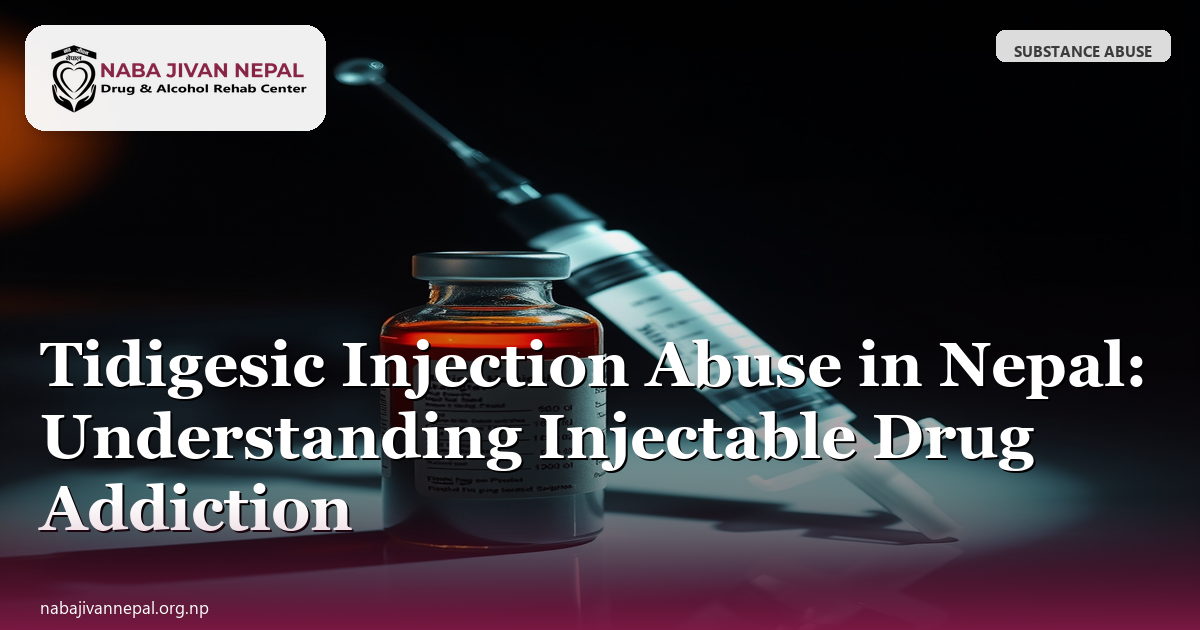
Injectable drug use has become a growing concern in Nepal, with Tidigesic, a muscle relaxant, being one of the most commonly abused substances. This highly addictive medication is often misused for its euphoric effects, leading to a cycle of dependence and addiction. In this blog post, we will delve into the world of Tidigesic abuse in Nepal, exploring its causes, consequences, and the available treatment options.
Causes of Tidigesic Abuse in Nepal
Tidigesic abuse in Nepal is often linked to the country’s socio-economic factors. Many individuals, particularly in rural areas, turn to substance abuse as a means of coping with stress, anxiety, and financial struggles. The easy availability of Tidigesic in the black market and the lack of awareness about its risks contribute to its widespread misuse.
According to a study published in the Nepal Journal of Epidemiology, the prevalence of Tidigesic abuse among injecting drug users in Nepal is estimated to be around 20%. This highlights the need for targeted interventions and awareness campaigns to address the root causes of substance abuse in the country.
Additionally, the COVID-19 pandemic has exacerbated the situation, with many individuals turning to substance abuse as a coping mechanism for the stress and uncertainty caused by the pandemic.
Consequences of Tidigesic Abuse in Nepal
The consequences of Tidigesic abuse in Nepal are severe and far-reaching. Injecting Tidigesic can lead to a range of health problems, including skin infections, abscesses, and endocarditis. Long-term use can also result in liver and kidney damage, as well as increased risk of overdose and death.
A study published in the Journal of Addiction Medicine found that Tidigesic abuse is associated with a higher risk of HIV transmission among injecting drug users in Nepal. This highlights the need for comprehensive harm reduction strategies, including access to clean needles and syringes, to prevent the spread of blood-borne diseases.
Furthermore, Tidigesic abuse can have significant social and economic consequences, including loss of employment, strained relationships, and decreased productivity. In some cases, individuals may resort to crime to support their habit, leading to a cycle of addiction and incarceration.
Treatment Options for Tidigesic Abuse in Nepal
Fortunately, professional help is available for individuals struggling with Tidigesic abuse in Nepal. At Naba Jivan Nepal, our comprehensive rehabilitation program offers a safe and supportive environment for individuals to overcome their addiction and achieve long-term recovery.
Our program includes a range of evidence-based therapies, including cognitive-behavioral therapy (CBT), motivational interviewing (MI), and medication-assisted treatment (MAT). We also offer counseling and support groups to help individuals address underlying issues and develop coping skills.
For more information about our rehabilitation program or to schedule an appointment, please call us at +9779864899917. Our team of experienced professionals is committed to helping individuals overcome Tidigesic abuse and achieve a healthier, happier life.
Breaking the Cycle of Addiction
Breaking the cycle of addiction requires a comprehensive approach that addresses the physical, emotional, and social aspects of substance abuse. At Naba Jivan Nepal, we understand the complexities of addiction and are committed to providing سپ a supportive and non-judgmental environment for individuals to heal and recover.
Our rehabilitation program is designed to empower individuals with the skills and knowledge needed to maintain long-term sobriety. We offer a range of services, including individual and group counseling, family therapy, and relapse prevention education.
For individuals struggling with Tidigesic abuse in Nepal, our program offers a beacon of hope and a path towards recovery. We invite you to take the first step towards a healthier, happier life by contacting us today at +9779864899917.
Understanding Tidigesic Abuse in Nepal: A Societal Perspective
Tidigesic abuse in Nepal is not just an individual problem, but also a societal issue that requires attention and support from the community. In Nepal, the stigma surrounding addiction is still prevalent, and many people suffering from Tidigesic abuse are reluctant to seek help due to fear of social ostracism.
However, it’s essential to recognize that addiction is a treatable condition, and seeking help is a sign of strength, not weakness. By understanding the societal factors contributing to Tidigesic abuse in Nepal, we can work towards creating a more supportive environment for those struggling with addiction.
Some of the societal factors contributing to Tidigesic abuse in Nepal include:
- Easy access to Tidigesic: Tidigesic is widely available in Nepal, and its affordability has contributed to its widespread use.
- Lack of education and awareness: Many people in Nepal are unaware of the risks associated with Tidigesic abuse, and the consequences of addiction are not well understood.
- Socio-economic factors: Poverty, unemployment, and lack of access to education and job opportunities can contribute to Tidigesic abuse in Nepal.
Preventing Tidigesic Abuse in Nepal: Strategies for Parents and Caregivers
As a parent or caregiver, you play a crucial role in preventing Tidigesic abuse in Nepal. Here are some strategies you can use to help prevent Tidigesic abuse:
Monitor your child’s behavior: Keep an eye on your child’s behavior and watch for signs of Tidigesic abuse, such as changes in mood, appetite, or sleep patterns.
Provide a safe and supportive environment: Create a safe and supportive environment for your child, where they feel comfortable discussing their problems and seeking help.
Encourage open communication: Encourage open communication with your child and listen to their concerns without judgment.
Seek help if you suspect Tidigesic abuse: If you suspect that your child is using Tidigesic, seek help from a healthcare professional or a rehabilitation center.
FAQs about Tidigesic Abuse in Nepal
Q: What is Tidigesic?
A: Tidigesic is a type of injectable drug that is widely abused in Nepal.
Q: What are the risks associated with Tidigesic abuse?
A: The risks associated with Tidigesic abuse include addiction, overdose, and transmission of blood-borne diseases.
Q: How can I prevent Tidigesic abuse in Nepal?
A: You can prevent Tidigesic abuse in Nepal by monitoring your child’s behavior, providing a safe and supportive environment, encouraging open communication, and seeking help if you suspect Tidigesic abuse.
Q: What should I do if I suspect that someone is using Tidigesic?
A: If you suspect that someone is using Tidigesic, seek help from a healthcare professional or a rehabilitation center.
Q: What resources are available to help individuals struggling with Tidigesic abuse in Nepal?
A: Resources available to help individuals struggling with Tidigesic abuse in Nepal include Naba Jivan Nepal, a rehabilitation center in Pokhara, and other healthcare professionals and support groups.
Conclusion
Tidigesic abuse in Nepal is a serious issue that requires attention and support from the community. By understanding the causes and consequences of Tidigesic abuse, we can work towards creating a more supportive environment for those struggling with addiction. If you or someone you know is struggling with Tidigesic abuse, seek help from a healthcare professional or a rehabilitation center.
Call to Action
Call Naba Jivan Nepal today at +9779864899917 for a free, confidential consultation.