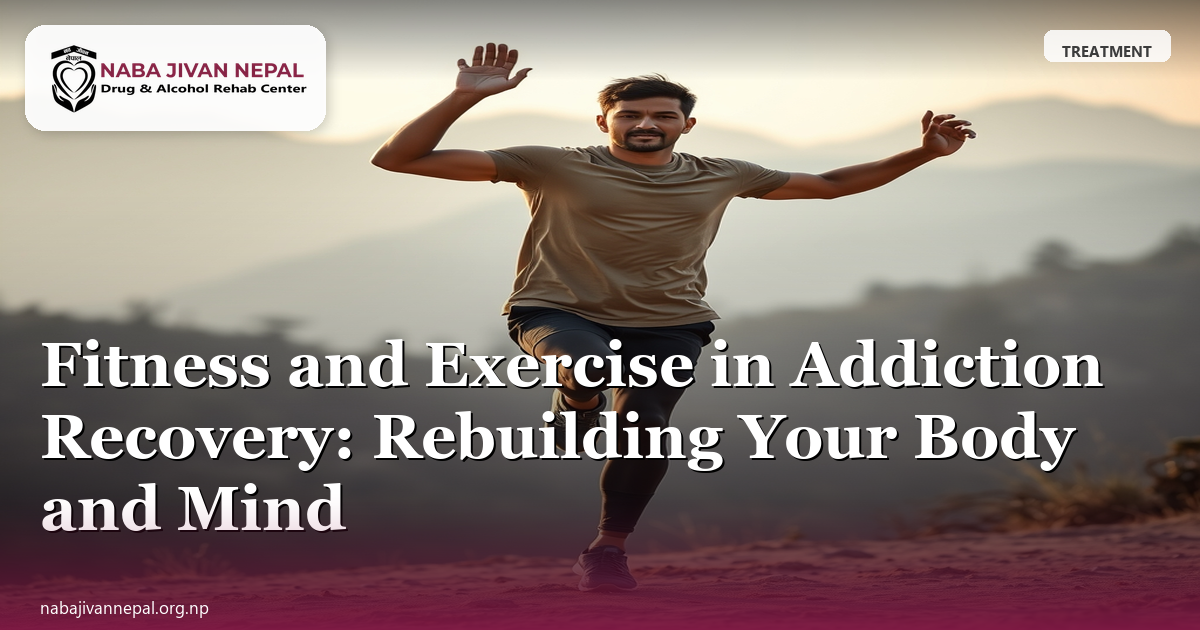
When you stop using substances, your body is damaged, your brain chemistry is disrupted, and your mood feels impossible to regulate. There is one intervention that simultaneously addresses all three — and it does not require a prescription, a therapist, or any special equipment. Exercise is arguably the most underutilized tool in fitness addiction recovery, with research showing it reduces cravings, repairs brain chemistry, improves mood, restores sleep, builds confidence, and significantly lowers relapse risk. In Nepal, where the natural landscape practically begs for physical activity, incorporating exercise into recovery is not just possible — it is one of the most natural and accessible paths to healing.
This article explains the neuroscience behind exercise’s recovery benefits, recommends specific exercises for different stages of recovery, and provides a practical plan for building a sustainable fitness routine that supports lasting sobriety.
How Does Exercise Help the Brain Recover From Addiction?
Exercise helps the brain recover from addiction through multiple neurological mechanisms: it increases dopamine and serotonin production (restoring the natural reward system that addiction depleted), stimulates BDNF (brain-derived neurotrophic factor) which promotes new neural growth, strengthens the prefrontal cortex (improving impulse control and decision-making), reduces cortisol (lowering the stress that drives cravings), and promotes neurogenesis in the hippocampus (improving memory and emotional regulation).
- Dopamine restoration: Addiction depletes the dopamine system. Exercise naturally stimulates dopamine production — not the overwhelming flood that drugs produce, but the moderate, healthy levels that restore the brain’s ability to feel pleasure from normal activities. Over time, regular exercise helps retrain the reward system away from substances.
- BDNF production: BDNF is a protein that supports the growth and survival of brain cells. Addiction reduces BDNF levels. Exercise increases them, actively promoting the neural repair that recovery depends on.
- Prefrontal cortex strengthening: Regular aerobic exercise increases blood flow to and activity in the prefrontal cortex — the brain region responsible for impulse control, decision-making, and resisting cravings. This directly rebuilds the “brake pedal” that addiction weakened.
- Stress reduction: Exercise reduces cortisol and adrenaline — the stress hormones that trigger cravings — while increasing endorphins and endocannabinoids that produce calm, well-being, and natural pain relief.
- Sleep improvement: Regular physical activity improves sleep quality and duration — addressing one of the most common and dangerous complaints in early recovery.
What Types of Exercise Are Best During Early Recovery?
The best exercises during early recovery are ones you will actually do consistently. Walking is the ideal starting point — it requires no equipment, no skill, and can be done anywhere. As fitness improves, aerobic exercise (jogging, swimming, cycling) provides the strongest brain-healing benefits. Yoga combines physical activity with mindfulness. Strength training builds confidence and body image. Team sports provide social connection. The key is starting gently, progressing gradually, and choosing activities you enjoy.
Beginner (Weeks 1-4)
- Walking: Start with 15-20 minutes daily. In Pokhara, walk along Phewa Lake. In Kathmandu, find a park or quiet route. Walking is the most accessible and sustainable starting exercise.
- Gentle stretching: Your body may be stiff and weakened from substance use. Daily stretching improves flexibility, reduces pain, and creates a mindful body connection.
- Deep breathing exercises: Not traditionally considered “exercise,” but controlled breathing activates the parasympathetic nervous system and builds the foundation for more intense physical activity.
Intermediate (Months 1-3)
- Brisk walking or light jogging: Increase intensity and duration. Aim for 30-45 minutes, 4-5 days per week.
- Yoga: Combines physical postures, breathing, and meditation — addressing body, mind, and spirit simultaneously. Particularly effective for anxiety, stress, and emotional regulation.
- Swimming: Full-body, low-impact exercise that is particularly beneficial for people with joint problems or injuries from their addiction period.
- Light strength training: Bodyweight exercises (push-ups, squats, lunges) or light weights rebuild muscle lost during active addiction and significantly boost self-image.
Advanced (Month 3+)
- Hiking and trekking: Nepal’s trekking trails offer extraordinary fitness opportunities — with the added benefit of nature therapy. Start with day hikes and progress to multi-day treks as fitness permits.
- Team sports: Football, cricket, basketball, or volleyball provide exercise plus social connection — building the sober social circle that recovery requires.
- Martial arts: Provides discipline, confidence, stress release, and community. The structured progression (belt levels, skill development) mirrors recovery’s progressive growth.
Can Physical Fitness Replace the High From Substances?
Exercise cannot replicate the intensity of a substance-induced high, but it can produce genuine feelings of well-being, accomplishment, and even euphoria (the “runner’s high”) through natural endorphin and endocannabinoid release. More importantly, the satisfaction from fitness — improved appearance, increased strength, achievement of goals — provides the sustainable self-esteem and purpose that substances falsely promised. Exercise replaces the high with something better: real, earned, lasting well-being.
- Runner’s high: Intense aerobic exercise triggers endorphin and endocannabinoid release that produces genuine euphoria. While not as intense as drug-induced highs, it is real, natural, and sustainable — and it comes with health benefits rather than health destruction.
- Achievement satisfaction: Running your first 5K, completing a challenging hike, lifting a weight you could not lift a month ago — these achievements produce deep, lasting satisfaction that substances never provided.
- Body image transformation: Watching your body recover and strengthen — gaining healthy weight, building muscle, improving skin and eyes — provides visible evidence of recovery that reinforces your commitment.
- Healthy identity: “I am a runner” or “I am a yogi” is a powerful identity replacement for “I am an addict.” Exercise provides a positive identity to grow into.
How Much Exercise Should Someone in Recovery Do Each Week?
The general recommendation is 150 minutes of moderate aerobic exercise per week (about 30 minutes, 5 days a week), plus 2 sessions of strength training. However, any exercise is better than none — even 10 minutes of walking provides measurable mood improvement. In early recovery, start with whatever you can manage and build gradually. The goal is consistency, not intensity. A 20-minute daily walk maintained for months is far more valuable than an intense gym session done once and abandoned.
- Minimum effective dose: Research shows that even 10-15 minutes of moderate exercise produces measurable improvements in mood and craving reduction. If 30 minutes feels impossible, start with 10.
- Optimal range: 30-60 minutes of moderate exercise, 5-6 days per week, provides the strongest brain-healing and mood-stabilizing benefits.
- Rest days matter: Take 1-2 rest days per week. Overtraining produces cortisol spikes and injuries that can become relapse triggers. Recovery applies to exercise too.
- Listen to your body: Your body has been through trauma. Pain, extreme fatigue, or dizziness during exercise are signals to stop and consult a doctor — not to push through.
- Morning exercise advantage: Exercising in the morning sets a positive tone for the day, improves energy and focus, and ensures the workout happens before daily obligations interfere.
Why Is Exercise Considered a Key Component of Relapse Prevention?
Exercise is a key relapse prevention tool because it directly addresses the four most common relapse triggers: stress (exercise reduces cortisol), negative mood (exercise increases serotonin and dopamine), boredom (exercise fills time productively), and social isolation (group exercise provides connection). Additionally, exercise creates a positive feedback loop — the better you feel physically, the more motivated you are to protect your sobriety, and the more tools you have to manage cravings when they arise.
- Craving management: When a craving hits, 10 minutes of intense physical activity can reduce its intensity by 50% or more. Exercise is one of the fastest, most reliable craving-interruption tools available.
- Routine and structure: A regular exercise schedule provides the daily structure that recovery depends on. It fills time that might otherwise be spent in boredom or rumination — both relapse risk factors.
- Self-efficacy: Each completed workout reinforces the belief “I can do hard things” — a belief that extends to resisting cravings, facing difficult emotions, and persevering through recovery challenges.
- Sleep protection: Regular exercisers sleep better, and better sleep reduces the emotional volatility and impaired decision-making that lead to relapse.
- Social connection: Group exercise — from running clubs to yoga classes to team sports — builds sober social connections that are protective against relapse.
Taking the First Step Toward Recovery
You do not need a gym membership, expensive equipment, or athletic talent. You need a pair of shoes and the willingness to walk out your door. Exercise is free, available everywhere, and proven to heal the brain, body, and spirit from addiction’s damage.
At Naba Jivan Nepal, physical fitness is a core component of our treatment program — not a supplementary activity. Our Pokhara location, surrounded by mountains, lakes, and trails, provides the ideal environment for rebuilding your body alongside your sobriety.
Every step is a step away from addiction and toward the person you are meant to be.
Contact Naba Jivan Nepal to start your recovery journey →
Frequently Asked Questions
Can exercise become addictive itself?
Exercise addiction is real but relatively rare. Warning signs include exercising despite injury, severe anxiety when unable to exercise, neglecting responsibilities to exercise, and using exercise to purge after eating. The risk is higher in people with addictive personalities. The key is balance — exercise should enhance your life and recovery, not dominate it. If exercise is interfering with treatment, relationships, or daily functioning, discuss it with your therapist.
Is it safe to exercise during withdrawal?
Light exercise like walking may be safe and beneficial during mild withdrawal, but moderate to intense exercise during acute withdrawal is generally not recommended without medical clearance. Withdrawal can affect heart rate, blood pressure, and hydration — making intense exercise potentially dangerous. Wait until acute withdrawal symptoms have resolved, then begin with gentle movement and gradually increase intensity under medical guidance.
What if I have never exercised before?
Start exactly where you are. If you have never exercised, begin with 10-minute walks. There is no minimum fitness level required. Your body will adapt and strengthen gradually. The most important thing is starting and staying consistent. Many people in recovery discover a love of exercise they never knew they had — because for the first time, their body is healthy enough to enjoy movement.
How soon will I notice the mental health benefits of exercise?
A single bout of exercise produces measurable mood improvement within 20-30 minutes through endorphin release. Regular exercise over 2-4 weeks produces more sustained improvements in mood, anxiety, sleep, and craving intensity. By 6-8 weeks of consistent exercise, most people report significant improvements in overall mental well-being, energy levels, and sense of purpose. The benefits are cumulative — the longer you maintain a routine, the stronger the effects.
What exercises are available in Pokhara for people in recovery?
Pokhara offers exceptional fitness opportunities: lakeside walks and jogging along Phewa Lake, day hikes to Sarangkot and World Peace Pagoda, yoga classes at numerous studios, swimming in the lake, cycling on scenic roads, paragliding for adventure fitness, and various gyms and fitness centers. The natural terrain makes exercise feel less like “working out” and more like exploring — which helps maintain long-term motivation.