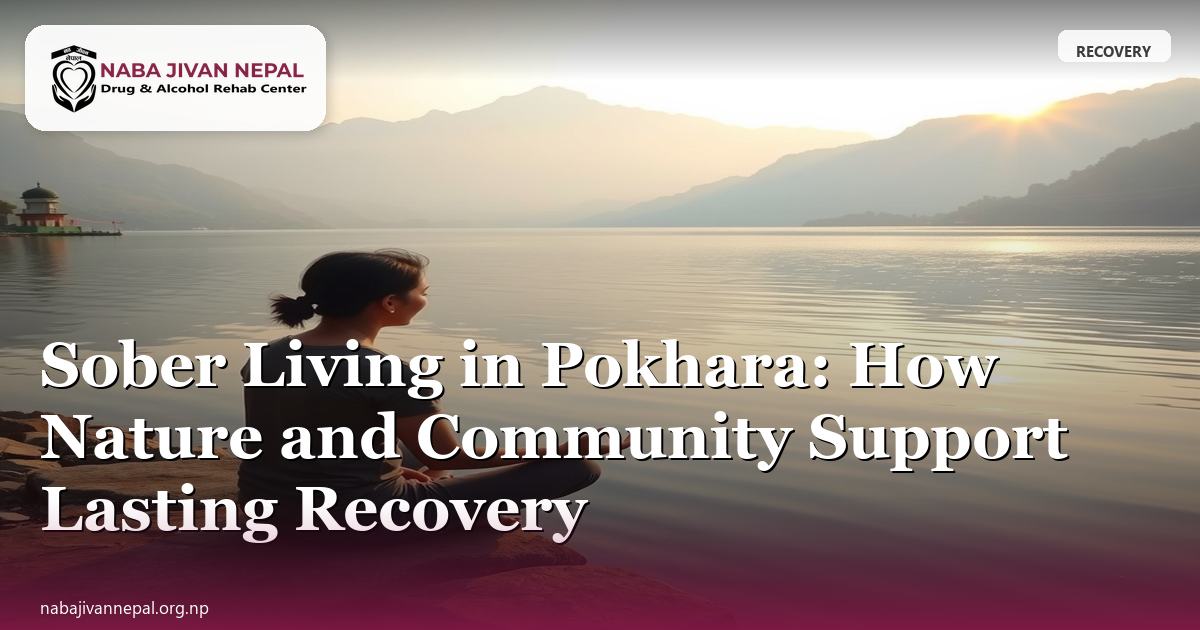
There is a reason that Pokhara — Nepal’s lake city at the foot of the Annapurna range — has become a center for addiction recovery. When you are rebuilding a life after addiction, your environment matters profoundly. The noise, pollution, and triggers of a congested urban setting work against recovery. The tranquility of mountains, clean air, and open water work for it. Sober living in Pokhara offers something that clinical treatment alone cannot: a daily environment that actively heals. The combination of nature therapy, structured community living, and distance from using environments creates conditions where lasting recovery becomes not just possible but natural.
This article explores why Pokhara’s natural setting supports recovery, what sober living programs look like in practice, and how the transition from treatment to independent sober living works.
Why Is Pokhara an Ideal Setting for Addiction Recovery?
Pokhara is ideal for recovery because its natural environment directly supports the neurological and psychological healing that recovery requires — mountain views reduce cortisol levels, lake-side activities provide natural dopamine stimulation, clean air improves physical health, the slower pace of life reduces stress, and physical distance from urban using environments removes daily triggers that threaten sobriety in cities like Kathmandu.
- Nature as therapy: Research consistently shows that exposure to natural environments reduces stress hormones, lowers blood pressure, improves mood, and enhances cognitive function — exactly the healing a recovering brain needs. Pokhara offers this in abundance: Phewa Lake, the Annapurna range, lush forests, and waterfalls.
- Reduced triggers: In Kathmandu or other cities, every street may hold associations with past substance use — dealers, bars, using locations. Pokhara provides geographical distance from these trigger-rich environments, giving the brain space to form new associations.
- Physical activity access: Pokhara’s terrain naturally encourages exercise — hiking trails, lakeside walks, paragliding, boating, and cycling. Physical activity is one of the most effective tools for addiction recovery.
- Slower pace: Unlike the relentless pace of Kathmandu, Pokhara moves at a rhythm that supports recovery. Less noise, less crowding, less urgency — more space for reflection, healing, and intentional living.
- Spiritual environment: Pokhara’s temples, meditation centers, and peaceful atmosphere support the spiritual dimension of recovery that many people find essential.
What Is a Sober Living Program and How Does It Work?
A sober living program provides a structured, substance-free living environment for people transitioning from residential treatment to independent life. It combines the freedom of living in the community with the accountability of shared rules — mandatory sobriety, house meetings, curfews, chore participation, and continued engagement with therapy or support groups. It bridges the gap between the protection of treatment and the challenges of fully independent living.
Typical Sober Living Structure
- Substance-free environment: Zero tolerance for alcohol, drugs, or non-prescribed medications. Random testing may be conducted. This non-negotiable boundary creates safety for all residents.
- Daily structure: Wake times, meal times, chore responsibilities, and curfews provide the routine that recovery depends on. Structure prevents the idle time that invites relapse.
- House meetings: Regular group meetings where residents discuss challenges, celebrate progress, and support each other. These meetings build the peer accountability that strengthens recovery.
- Continued treatment: Residents attend outpatient therapy, support group meetings, or counseling sessions. Sober living is not the end of treatment — it is treatment in a more independent context.
- Work or education: Residents are typically expected to work, study, or volunteer. Productive engagement provides purpose and prevents the isolation that threatens sobriety.
- Community participation: Residents contribute to the household through cooking, cleaning, and maintenance. This shared responsibility builds life skills and a sense of belonging.
How Does Nature Therapy Support the Recovery Process?
Nature therapy supports recovery through measurable neurological and psychological mechanisms: natural environments activate the parasympathetic nervous system (reducing the stress response that drives cravings), outdoor light exposure regulates circadian rhythms and serotonin production, physical activity in nature produces endorphins and BDNF (brain-derived neurotrophic factor which promotes neural healing), and the awe and beauty of mountain landscapes shift perspective away from the narrow focus of addiction toward broader meaning.
- Stress reduction: Studies measuring cortisol levels show that spending just 20 minutes in nature significantly reduces stress hormones. In Pokhara, lakeside morning walks and mountain views provide this benefit daily.
- Dopamine restoration: Nature activities — hiking to a viewpoint, swimming in the lake, watching a sunrise over the Annapurna range — produce healthy dopamine responses that help retrain the brain’s reward system away from substance dependency.
- Sleep improvement: Natural light exposure during the day and reduced artificial stimulation in the evening help restore circadian rhythms disrupted by addiction. Pokhara’s environment naturally supports healthy sleep patterns.
- Mindfulness enhancement: Natural settings facilitate the mindfulness practices central to recovery — meditation by the lake, yoga with mountain views, walking meditations through forests. The environment supports the practice rather than competing with it.
- Perspective and meaning: Mountain landscapes remind us of scale — that our problems, however overwhelming they feel, exist within something vast and enduring. This shift in perspective helps break the tunnel vision of addiction and craving.
When Is Someone Ready to Transition from Treatment to Sober Living?
Someone is ready for sober living when they have completed primary residential treatment, demonstrated consistent sobriety (typically 30-90 days minimum), developed basic coping skills for cravings and triggers, shown willingness to follow house rules and community guidelines, have a plan for continued therapy or support group attendance, and their treatment team recommends the transition based on clinical assessment of readiness.
- Clinical readiness signs: Completion of primary treatment objectives, ability to identify personal triggers, demonstrated use of coping skills during challenging moments, and stable mental health status.
- Behavioral readiness signs: Adherence to treatment center rules, participation in group activities, honest communication with staff and peers, and initiative in personal recovery planning.
- Practical readiness signs: Ability to manage basic daily tasks (hygiene, scheduling, medication management), financial resources or employment plan for sober living expenses, and a support network beyond the treatment facility.
- Not yet ready if: Active craving episodes without adequate coping response, untreated co-occurring mental health conditions, refusal to engage in ongoing therapy, or no identified support network outside treatment.
What Are the Long-Term Benefits of Sober Living Versus Going Directly Home?
Research shows that sober living residents have significantly better long-term outcomes than those who transition directly home after treatment — including lower relapse rates, higher employment rates, better social functioning, and stronger recovery networks. The transitional period provides time to practice sober living skills in a supported environment before facing the full complexity of independent life with its triggers, stressors, and responsibilities.
- Gradual reintegration: Moving directly from the protected treatment environment to full independence is a shock to the system. Sober living provides a middle step where accountability remains but independence increases gradually.
- Relapse buffer: If a person struggles during sober living, support is immediately available. A slip does not have to become a full relapse because the person is surrounded by accountability and care.
- Peer community: Sober living creates bonds with people at a similar stage of recovery. These peer relationships often become the core of a person’s long-term sober social circle.
- Life skill development: Cooking, budgeting, managing a schedule, resolving interpersonal conflicts, maintaining hygiene, and contributing to a household — skills that may have deteriorated during active addiction — are rebuilt through daily practice.
- Family relationship repair: The sober living period gives families time to adjust, attend family therapy, and rebuild trust before the person returns home. This gradual reconnection produces stronger, healthier family dynamics.
Taking the First Step Toward Recovery
Recovery is not just about stopping substance use — it is about building a life that does not need substances. In Pokhara, surrounded by the Annapurna range and the tranquility of Phewa Lake, you have the space and support to do exactly that.
At Naba Jivan Nepal, our Pokhara-based programs combine clinical treatment with the healing power of nature. From residential rehabilitation to transitional sober living, we provide the structured, supportive environment where lasting recovery takes root.
Your new life deserves a beautiful beginning. Pokhara is ready when you are.
Contact Naba Jivan Nepal to learn about our Pokhara programs →
Frequently Asked Questions
How long do people typically stay in sober living?
The average sober living stay ranges from 3 to 12 months, though some people benefit from longer stays. The duration depends on individual progress, stability of sobriety, employment status, housing plans, and the strength of their support network. There is no fixed endpoint — the transition to fully independent living happens when the person and their treatment team agree they are ready.
Can family members visit during sober living?
Most sober living programs encourage family visits during designated times. Family involvement is important for rebuilding relationships, and Pokhara’s beautiful setting makes visits particularly pleasant. However, visits are typically structured to support recovery — specific visiting hours, family therapy sessions, and guidelines about maintaining the sober environment are standard. Each program has its own visitation policies.
What happens if someone relapses during sober living?
Policies vary by program, but most sober living facilities address relapse with immediate intervention rather than automatic expulsion. A single slip may result in increased accountability measures, return to intensive outpatient treatment, or temporary step-up to residential care. Repeated or ongoing substance use typically results in discharge to protect other residents. The goal is to treat relapse as a clinical event requiring response, not a moral failure requiring punishment.
Is sober living expensive?
Sober living costs in Nepal are generally lower than residential treatment, as the level of clinical staffing is reduced. Costs typically cover shared accommodation, meals, basic utilities, and program activities. In Pokhara, the lower cost of living compared to Kathmandu makes sober living more affordable. Many residents cover costs through employment during their stay. Discuss payment options and financial planning with your treatment center.
Can I work while in a sober living program?
Yes — in fact, most sober living programs encourage or require residents to work, study, or volunteer. Employment provides structure, purpose, income, and a sense of normalcy that supports recovery. The sober living schedule is designed to accommodate work while maintaining treatment requirements. Some programs assist with job placement or vocational training to help residents find suitable employment in the Pokhara area.