<>What Happens After Rehab? The Complete Aftercare Guide for Nepal
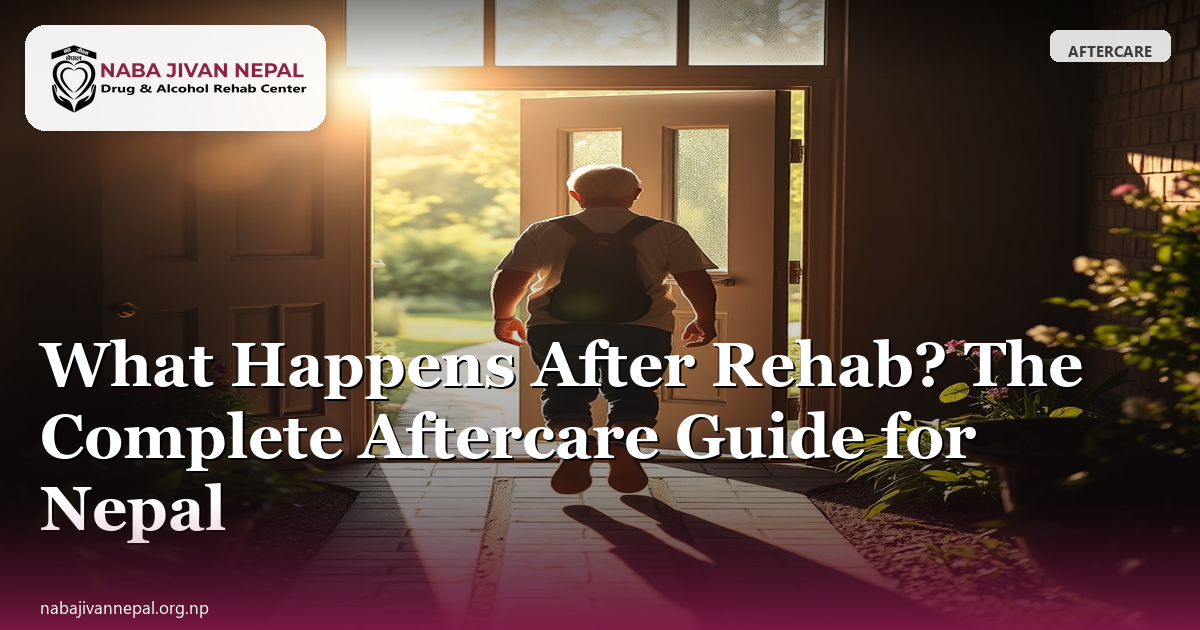
After completing a rehabilitation program at a center like Naba Jivan Nepal in Pokhara, many individuals in Nepal may wonder what comes next. The journey to recovery is not a one-time event, but rather a continuous process that requires ongoing support and care. In this comprehensive guide, we will explore the importance of aftercare programs in Nepal and provide valuable insights into what to expect after rehab.
Understanding the Importance of Aftercare in Nepal
In Nepal, where addiction is a growing concern, aftercare programs play a crucial role in maintaining sobriety and preventing relapse. Aftercare is a structured program that provides ongoing support and guidance to individuals who have completed a rehabilitation program. It helps them to adjust to their new life, overcome challenges, and maintain their sobriety.
According to a study conducted by the Nepal Ministry of Health, approximately 70% of individuals who complete a rehabilitation program in Nepal experience a relapse within the first year. This highlights the need for effective aftercare programs that can provide ongoing support and guidance to individuals in recovery.
At Naba Jivan Nepal, our experienced team understands the importance of aftercare and provides a comprehensive aftercare program that includes regular check-ins, counseling sessions, and support groups. Our team is available to provide professional help and guidance to individuals in recovery. Please call us at +9779864899917 to learn more about our aftercare program.
Types of Aftercare Programs Available in Nepal
There are various types of aftercare programs available in Nepal, each designed to meet the unique needs of individuals in recovery. Some common types of aftercare programs include:
- Outpatient aftercare programs: These programs provide ongoing support and guidance to individuals who do not require intensive therapy or treatment.
- Intensive outpatient aftercare programs: These programs provide more intensive therapy and treatment to individuals who require ongoing support and guidance.
- Residential aftercare programs: These programs provide a supportive living environment for individuals who require ongoing care and support.
- Support groups: These groups provide a safe and supportive environment for individuals to share their experiences and connect with others who are going through similar challenges.
Benefits of Aftercare Programs in Nepal
Aftercare programs in Nepal offer numerous benefits to individuals in recovery, including:
- Improved sobriety rates: Aftercare programs have been shown to improve sobriety rates and reduce the risk of relapse.
- Increased confidence and self-esteem: Aftercare programs provide individuals with the tools and support they need to build confidence and self-esteem.
- Better relationships with family and friends: Aftercare programs help individuals to repair and strengthen relationships with family and friends.
- Improved mental and physical health: Aftercare programs provide individuals with the tools and support they need to maintain good mental and physical health.
Challenges Faced by Individuals in Aftercare in Nepal
Individuals in aftercare in Nepal may face various challenges, including:
- Stigma and shame: Many individuals in aftercare in Nepal may experience stigma and shame related to their addiction.
- Financial constraints: Aftercare programs can be expensive, and many individuals in Nepal may struggle to afford the costs associated with these programs.
- Lack of support: Individuals in aftercare in Nepal may lack access to support groups and other resources that can help them maintain their sobriety.
- Comorbid mental health conditions: Many individuals in aftercare in Nepal may experience comorbid mental health conditions, such as depression and anxiety, that can make recovery more challenging.
Overcoming Challenges in Aftercare in Nepal
Individuals in aftercare in Nepal can overcome challenges by:
- Seeking professional help: Individuals in aftercare in Nepal can seek professional help from experienced therapists and counselors who can provide guidance and support.
- Joining support groups: Individuals in aftercare in Nepal can join support groups, such as Narcotics Anonymous, to connect with others who are going through similar challenges.
- Practicing self-care: Individuals in aftercare in Nepal can practice self-care by engaging in activities that promote relaxation and stress reduction, such as meditation and yoga.
- Building a support network: Individuals in aftercare in Nepal can build a support network of family and friends who can provide emotional support and encouragement.
Conclusion
In conclusion, aftercare programs in Nepal play a crucial role in maintaining sobriety and preventing relapse. Individuals in aftercare in Nepal may face various challenges, but with the right support and resources, they can overcome these challenges and achieve long-term recovery. At Naba Jivan Nepal, our experienced team is committed to providing comprehensive aftercare programs that meet the unique needs of individuals in recovery. Please call us at +9779864899917 to learn more about our aftercare program.
Creating a Support Network in Nepal
Building a strong support network is crucial for individuals in aftercare in Nepal. This network can include family members, friends, and fellow recovering addicts. It’s essential to surround yourself with people who understand and support your recovery journey.
In Nepal, you can join support groups like Narcotics Anonymous (NA) or Alcoholics Anonymous (AA) to connect with others who are going through similar experiences. These groups provide a safe space to share your struggles and successes, and to receive guidance and encouragement from others.
Additionally, you can also consider joining online communities or forums dedicated to addiction recovery in Nepal. These platforms can provide valuable resources, advice, and support from individuals who are recovering from addiction in Nepal.
Strong support networks can help you stay motivated and accountable in your recovery journey. They can also provide emotional support and guidance during challenging times.
Practical Tips for Maintaining Sobriety in Nepal
Maintaining sobriety in Nepal requires a combination of self-discipline, support, and coping skills. Here are some practical tips to help you stay sober:
- Stay hydrated by drinking plenty of water and healthy fluids.
- Engage in regular physical activity, such as yoga or walking, to manage stress and anxiety.
- Practice mindfulness and meditation to stay present and focused.
- Set realistic goals and celebrate your achievements along the way.
- Seek help immediately if you feel the urge to relapse.
Remember, recovery is a journey, and it’s okay to take it one step at a time. With the right support and resources, you can maintain sobriety and live a fulfilling life in Nepal.
Nepal-Specific Resources for Aftercare
In Nepal, there are several resources available to support individuals in aftercare. Here are a few examples:
- The National Addiction Centre (NAC) provides treatment and rehabilitation services for individuals struggling with addiction.
- The Nepal Red Cross Society offers support and resources for individuals and families affected by addiction.
- The government of Nepal has implemented various policies and programs to address addiction and substance abuse.
These resources can provide valuable support and guidance as you navigate your recovery journey in Nepal.
FAQs
Here are some frequently asked questions about aftercare in Nepal:
- Q: What is aftercare, and why is it important?
A: Aftercare refers to the support and resources provided to individuals after they complete a rehabilitation program. It’s essential for maintaining sobriety and preventing relapse. - Q: What types of aftercare programs are available in Nepal?
A: There are various aftercare programs available in Nepal, including support groups, counseling, and online resources. - Q: How can I stay sober in Nepal?
A: Staying sober in Nepal requires a combination of self-discipline, support, and coping skills. Engage in regular physical activity, practice mindfulness, and seek help immediately if you feel the urge to relapse. - Q: What resources are available to support individuals in aftercare in Nepal?
A: There are several resources available in Nepal, including the National Addiction Centre, the Nepal Red Cross Society, and government policies and programs. - Q: How can I get help if I’m struggling with addiction in Nepal?
A: You can contact Naba Jivan Nepal at +9779864899917 for a free, confidential consultation.
Conclusion
Aftercare is a critical component of the recovery process in Nepal. It provides the support and resources necessary to maintain sobriety and prevent relapse. By building a strong support network, engaging in practical activities, and accessing Nepal-specific resources, you can overcome addiction and live a fulfilling life in Nepal.
Call to Action
If you or someone you know is struggling with addiction in Nepal, don’t hesitate to seek help. Contact Naba Jivan Nepal today at +9779864899917 for a free, confidential consultation.