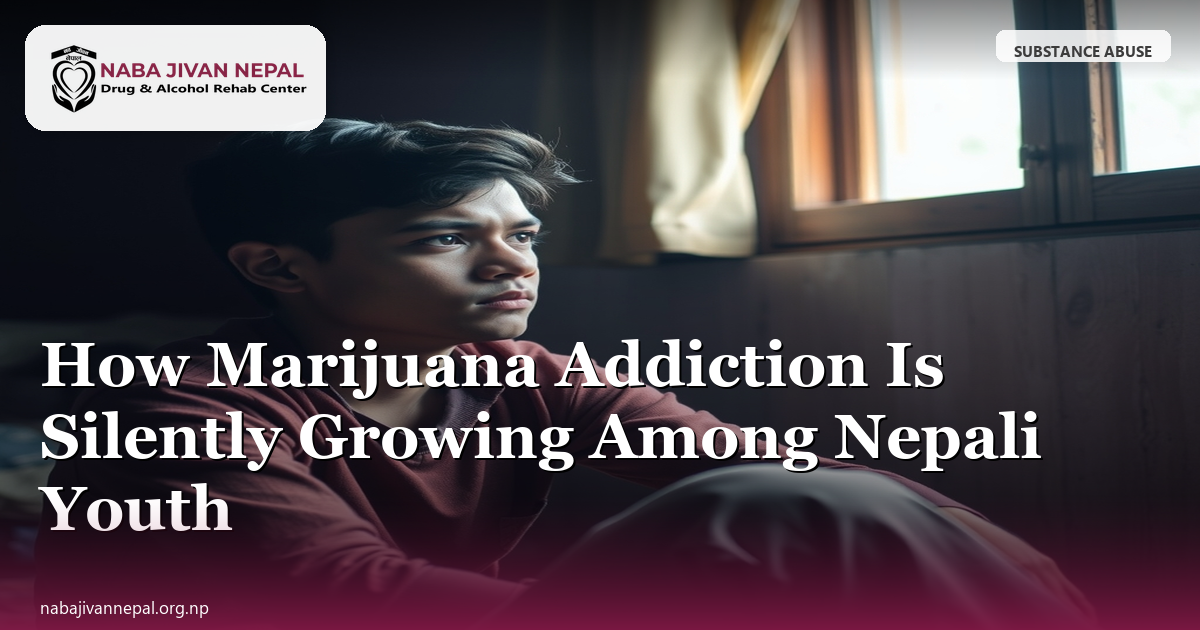
In tea shops, college hostels, and quiet corners of Kathmandu and Pokhara, marijuana addiction in Nepal is growing at a pace that few families recognize until it is too late. Cannabis — known locally as ganja or charas — has deep historical roots in Nepali culture, once used openly during festivals like Shivaratri. But today’s pattern of use looks nothing like tradition. Young Nepalis between the ages of 15 and 25 are using marijuana daily, and many are developing a dependency they never expected from a substance they believed was harmless.
If you are a parent, a student, or someone who has started questioning your own relationship with cannabis, this article will help you understand what makes marijuana addictive, how widespread the problem has become among Nepali teenagers, and what treatment options are available right here in Nepal.
What Makes Marijuana Addictive?
Marijuana is addictive because its active compound, THC (tetrahydrocannabinol), alters the brain’s reward system by flooding it with dopamine. Over time, regular use causes the brain to depend on THC to feel normal, leading to tolerance, cravings, and withdrawal symptoms when you stop using.
Many people in Nepal still believe that cannabis is completely safe and non-addictive. This is a dangerous myth. While marijuana may not create the same physical dependence as heroin or alcohol, research from the National Institute on Drug Abuse (NIDA) shows that approximately 9% of people who use marijuana will become dependent on it. That number jumps to 17% for those who start using as teenagers.
Here is how the addiction cycle develops:
- Tolerance: You need more and more ganja to achieve the same high you once got from a small amount.
- Dependence: Your brain adjusts to regular THC exposure and struggles to function normally without it. You may feel anxious, irritable, or unable to sleep without smoking.
- Cravings: Even when you want to stop, powerful urges pull you back to using.
- Withdrawal: When you quit, you experience symptoms like insomnia, loss of appetite, mood swings, and restlessness that can last one to three weeks.
The potency of cannabis available in Nepal today is also significantly higher than what previous generations used. Modern strains — often smuggled across borders or grown using advanced techniques — contain THC levels two to three times higher than traditional Nepali ganja, increasing the risk of addiction.
How Common Is Marijuana Use Among Nepali Teenagers?
Marijuana is the most widely used illicit substance among Nepali teenagers, with surveys suggesting that up to 30% of urban male college students have tried cannabis at least once. Use is particularly concentrated in the Kathmandu Valley, Pokhara, and Terai border towns where access is easy and peer pressure is strong.
Nepal’s relationship with cannabis is unique. Until 1973, marijuana was legal in the country, and Nepal was a famous stop on the global “hippie trail.” Even today, cultural and religious associations with Lord Shiva make cannabis feel socially acceptable in certain communities. This cultural normalization lowers the barrier for young people to try it.
Several factors are driving cannabis abuse among Nepali youth today:
- Easy availability: Despite being illegal since the Narcotics Drug Control Act of 2033 BS (1976 AD), marijuana remains widely available. It grows wild in many hill districts and is sold openly in some areas.
- Peer pressure: In colleges and hostels, smoking up is often treated as a social activity. Refusing can mean social exclusion.
- Stress and academic pressure: Many students turn to cannabis as a way to cope with exam stress, family expectations, and the anxiety of an uncertain job market.
- Misinformation: The widespread belief that “ganja is natural, so it cannot be harmful” prevents young users from recognizing early warning signs of dependency.
- Digital influence: Social media glorification of cannabis culture, particularly from Western media, normalizes daily use among urban Nepali youth.
A 2019 study by Tribhuvan University’s Central Department of Psychology found that cannabis was the gateway substance for over 60% of individuals who later progressed to harder drugs like opioids or methamphetamine. This does not mean every marijuana user will escalate, but it underscores why early awareness and intervention matter.
What Are the Long-Term Effects of Regular Cannabis Use?
Regular cannabis use causes lasting damage to brain development in young people, impairs memory and learning, reduces motivation, increases the risk of anxiety and depression, and can trigger psychotic episodes in vulnerable individuals. Physical effects include chronic respiratory problems and weakened immune function.
Effects on the Developing Brain
The human brain continues developing until age 25. When teenagers use marijuana regularly, THC interferes with the formation of neural connections in areas responsible for memory, learning, impulse control, and decision-making. Studies published in the Journal of the American Medical Association show that people who begin heavy cannabis use before age 18 experience an average IQ drop of up to 8 points — a decline that may not fully reverse even after quitting.
Mental Health Consequences
The link between cannabis and mental health is well-documented:
- Anxiety and paranoia: While some users smoke to relieve anxiety, regular use often worsens it. Panic attacks are common among heavy users.
- Depression: Cannabis disrupts serotonin production, contributing to persistent low mood and lack of motivation — a condition often called “amotivational syndrome.”
- Psychosis: High-potency cannabis significantly increases the risk of psychotic episodes, particularly in individuals with a family history of schizophrenia or bipolar disorder.
Physical Health Impact
- Respiratory damage: Smoking marijuana delivers many of the same toxins and carcinogens as tobacco smoke. Chronic bronchitis, persistent cough, and increased lung infections are common among regular smokers.
- Cardiovascular risk: Cannabis raises heart rate by 20-50% for up to three hours after use, increasing the risk of heart-related events.
- Reproductive health: Research indicates that heavy marijuana use can reduce sperm count in men and disrupt menstrual cycles in women.
For young Nepalis who are building their careers, pursuing education, and starting families, these effects represent real and lasting consequences that extend far beyond the temporary high.
How Can Parents Identify Marijuana Abuse in Their Children?
Parents can identify marijuana abuse by watching for sudden behavioral changes, declining academic performance, new friend groups, bloodshot eyes, a distinctive sweet or skunky smell on clothing, increased appetite, secretive behavior, and loss of interest in activities that once brought joy.
In Nepali families, where open conversations about drugs remain taboo, many parents miss the early signs of cannabis abuse. Here are specific indicators to watch for:
Behavioral Signs
- Sudden drop in school or college grades
- Withdrawal from family activities and conversations
- New group of friends that your child is reluctant to introduce
- Increased secrecy — locking doors, hiding phone, leaving home at unusual hours
- Unexplained need for money or missing money from the household
- Loss of motivation and ambition — no longer interested in goals they once pursued
Physical Signs
- Bloodshot or glazed eyes (often covered with eye drops)
- A sweet, herbal, or skunky smell on clothing, hair, or in their room
- Sudden increase in appetite (“munchies”), especially late at night
- Lethargy and excessive sleeping during the day
- Poor personal hygiene compared to their usual habits
What to Look For at Home
- Rolling papers, small pipes, or makeshift smoking devices
- Eye drop bottles (used to hide redness)
- Incense, air fresheners, or body spray used excessively to mask smells
- Plastic bags or small containers with plant residue
If you recognize these signs, resist the urge to react with anger or shame. In Nepali culture, a confrontational approach often pushes young people deeper into secrecy. Instead, approach your child with concern and compassion.
What Treatment Options Exist for Cannabis Addiction in Nepal?
Treatment options for cannabis addiction in Nepal include professional counseling, outpatient therapy, residential rehabilitation programs like those offered at Naba Jivan Nepal in Pokhara, cognitive behavioral therapy (CBT), group therapy, family counseling, and holistic approaches such as yoga and meditation that align with Nepal’s cultural strengths.
Many people dismiss the idea that marijuana addiction requires professional treatment. But when daily use has taken control of your life — affecting your relationships, your studies, your work, and your mental health — professional support makes the difference between lasting recovery and repeated failed attempts to quit on your own.
Available Treatment Approaches
- Cognitive Behavioral Therapy (CBT): This evidence-based approach helps you identify the thought patterns and triggers that drive your cannabis use and develop healthier coping strategies.
- Motivational Enhancement Therapy: Particularly effective for young users who may not yet see their use as problematic, this approach helps build internal motivation for change.
- Group Therapy: Sharing your experience with others who understand cannabis dependency reduces isolation and builds accountability.
- Family Therapy: In Nepal’s family-centered culture, involving parents and siblings in the recovery process significantly improves outcomes.
- Residential Rehabilitation: For severe cases, inpatient programs provide a structured environment away from triggers, with 24/7 support during the withdrawal period and beyond.
- Holistic Therapies: Yoga, meditation, and mindfulness practices — deeply rooted in Nepali tradition — complement clinical treatment by helping manage anxiety, cravings, and emotional regulation.
Why Naba Jivan Nepal?
Located in Pokhara, surrounded by the healing beauty of the Annapurna range and Phewa Lake, Naba Jivan Nepal provides a compassionate, culturally sensitive environment for ganja addiction treatment. Our programs are designed specifically for the Nepali context — addressing not just the substance use but the family dynamics, social pressures, and mental health challenges that surround it.
Taking the First Step Toward Recovery
If you or someone you love is struggling with marijuana addiction, please know that you are not alone and you are not weak. Cannabis dependency is a recognized medical condition that responds well to proper treatment.
The hardest part of recovery is deciding to begin. Everything after that first decision gets easier with the right support.
At Naba Jivan Nepal, we understand the cultural complexities of addiction in Nepal. We will not judge you or your family. We are here to help — with compassion, professionalism, and a genuine belief that recovery is possible for everyone.
You deserve a life that is not controlled by a substance.
Contact Naba Jivan Nepal today for a confidential conversation about your situation. Whether you are ready for treatment or just need someone to listen, we are here.
Reach out to Naba Jivan Nepal now →
Frequently Asked Questions
Is marijuana really addictive or is it just a habit?
Marijuana is genuinely addictive. Research shows that about 9% of all users and 17% of those who start in their teens develop a clinical dependency. The brain adapts to regular THC exposure and experiences real withdrawal symptoms — including insomnia, irritability, anxiety, and loss of appetite — when use stops. This is not simply a habit; it is a neurological adaptation that often requires professional help to overcome.
How long do marijuana withdrawal symptoms last?
Marijuana withdrawal symptoms typically begin within 24 to 72 hours of stopping use and peak during the first week. Most physical symptoms like sleep disturbances, appetite changes, and irritability resolve within two to three weeks. However, psychological cravings and mood fluctuations can persist for several months in heavy long-term users.
Is marijuana legal in Nepal?
No. Marijuana has been illegal in Nepal since the enactment of the Narcotics Drug Control Act of 2033 BS (1976 AD). Possession, sale, and cultivation of cannabis are criminal offenses. Despite this, enforcement is inconsistent and marijuana remains widely available throughout the country, particularly in rural hill districts and urban centers.
Can marijuana lead to harder drug use?
While not everyone who uses marijuana will progress to harder drugs, research from Nepal shows that cannabis was the first substance used by over 60% of individuals who later developed addictions to opioids, methamphetamine, or other dangerous drugs. Early cannabis use can lower inhibitions toward other substances and connect users with networks where harder drugs are available.
How can I help my child who is using marijuana without pushing them away?
Start by having an honest, non-judgmental conversation. Choose a calm moment — not during an argument. Express your concern rather than anger. Listen more than you speak. Avoid threats or ultimatums, which tend to increase secrecy. Educate yourself about marijuana addiction so you can speak from knowledge rather than fear. Consider seeking guidance from a professional counselor who can help you communicate effectively and, if needed, plan a supportive intervention.