_CATEGORY: Community Support Groups for Addiction in Nepal_
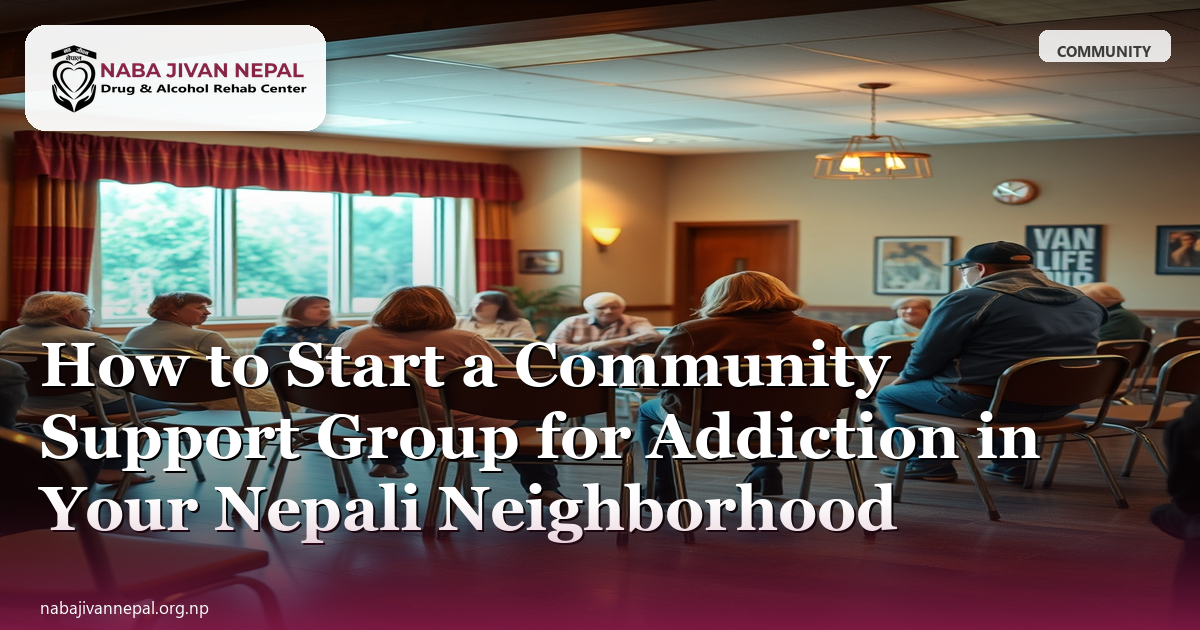
In Nepal, where stigma surrounding addiction still prevails, forming a community support group for individuals struggling with addiction can be a beacon of hope. A community support group, comprising individuals who have experienced similar struggles, can provide a safe space for open discussions, shared experiences, and collective growth. By fostering a sense of belonging and solidarity, these groups can empower individuals to overcome addiction and lead healthier, more fulfilling lives.
Understanding the Need for Community Support Groups in Nepal
The prevalence of substance abuse in Nepal is a pressing concern. According to a 2020 report by the World Health Organization (WHO), approximately 8.4% of the Nepali population aged 15-64 years old engages in hazardous or harmful alcohol use. Furthermore, the same report highlights that 2.3% of the population uses illicit substances. These statistics underscore the need for effective interventions and support systems to address addiction in Nepal.
Benefits of Community Support Groups for Addiction Recovery
Community support groups offer numerous benefits for individuals struggling with addiction. These benefits include:
- Emotional Support: A community support group provides a network of peers who understand the challenges of addiction and can offer emotional support and encouragement.
- Shared Experiences: Group members share their experiences, successes, and setbacks, creating a sense of camaraderie and solidarity.
- Accountability: Regular meetings and shared goals foster a sense of accountability among group members, helping them stay on track with their recovery journey.
- Practical Advice: Group members often share practical advice and strategies for managing cravings, avoiding triggers, and maintaining sobriety.
Challenges in Establishing Community Support Groups in Nepal
While community support groups can be an effective tool for addiction recovery, establishing such groups in Nepal can be challenging. Some of the key challenges include:
- Stigma and Social Acceptance: Addiction is often stigmatized in Nepali society, making it difficult to establish open and honest discussions about addiction.
- Lack of Resources: Limited resources, including funding and infrastructure, can hinder the establishment and maintenance of community support groups.
- Cultural and Language Barriers: Nepal’s diverse cultural and linguistic landscape can create barriers to effective communication and participation in community support groups.
Seeking Professional Help at Naba Jivan Nepal
While community support groups can be an essential component of addiction recovery, professional help is often necessary to address the complexities of addiction. Naba Jivan Nepal, a leading drug and alcohol rehabilitation center in Pokhara, offers comprehensive treatment programs and support services to individuals struggling with addiction. If you or someone you know is struggling with addiction, please call +9779864899917 for professional guidance and support.
Step 1: Gathering a Team of Dedicated Volunteers
Establishing a community support group for addiction in your Nepali neighborhood requires a team of dedicated volunteers who are passionate about helping others overcome addiction. To start, gather a small group of like-minded individuals who share your vision and are willing to put in the time and effort required to make the group a success.
Consider reaching out to local community organizations, churches, or mosques to spread the word about your initiative and attract potential volunteers. You can also post ads on social media or local newspapers to reach a wider audience.
When selecting volunteers, look for individuals who possess the following qualities:
- Empathy and compassion: The ability to understand and relate to others who are struggling with addiction.
- Good communication skills: The ability to effectively communicate with group members and facilitate discussions.
- Reliability and punctuality: The ability to commit to regular meetings and follow through on responsibilities.
- Discretion and confidentiality: The ability to maintain confidentiality and respect the privacy of group members.
Step 2: Developing a Support Group Structure
Once you have a team of dedicated volunteers, it’s time to develop a support group structure that will provide a safe and supportive environment for individuals struggling with addiction. Consider the following:
Group size**: Aim for a group size of 8-12 members to ensure that everyone has an opportunity to participate and receive support.
Meeting frequency**: Schedule regular meetings, such as weekly or bi-weekly, to provide a consistent support system for group members.
Meeting format**: Consider a format that includes:
- Sharing and discussion**: Group members share their experiences and discuss challenges and successes.
- Education and resources**: Provide information and resources on addiction, recovery, and related topics.
- Support and encouragement**: Offer emotional support and encouragement to group members.
Step 3: Building Partnerships with Local Organizations
To make your community support group for addiction a success, it’s essential to build partnerships with local organizations that can provide resources and support. Consider the following:
Local hospitals and clinics**: Partner with local hospitals and clinics to provide access to medical care and treatment for group members.
Community organizations**: Partner with community organizations, such as the Red Cross or local non-profits, to provide resources and support for group members.
Government agencies**: Partner with government agencies, such as the Ministry of Health or the Ministry of Social Welfare, to access funding and resources for your support group.
Frequently Asked Questions
<3>Q: What is the cost of starting a community support group for addiction in Nepal?
A: The cost of starting a community support group for addiction in Nepal can vary depending on the size of the group, the frequency of meetings, and the resources required. However, with a small team of dedicated volunteers and a clear plan, it’s possible to start a support group with minimal costs.
<3>Q: How do I find volunteers for my community support group?
A: To find volunteers for your community support group, consider reaching out to local community organizations, churches, or mosques to spread the word about your initiative. You can also post ads on social media or local newspapers to reach a wider audience.
<3>Q: What are the benefits of a community support group for addiction in Nepal?
A: The benefits of a community support group for addiction in Nepal include:
- Emotional support**: A safe and supportive environment for individuals struggling with addiction.
- Education and resources**: Access to information and resources on addiction, recovery, and related topics.
- Accountability**: A sense of accountability and responsibility for one’s actions.
<3>Q: How do I ensure the confidentiality of group members?
A: To ensure the confidentiality of group members, consider the following:
- Establish a code of conduct**: Develop a code of conduct that outlines the importance of confidentiality and respect for group members.
- Use secure communication methods**: Use secure communication methods, such as encrypted emails or messaging apps, to communicate with group members.
- Keep records confidential**: Keep records of group meetings and discussions confidential and secure.
<3>Q: What are the challenges of establishing a community support group for addiction in Nepal?
A: The challenges of establishing a community support group for addiction in Nepal include:
- Stigma and shame**: The stigma and shame associated with addiction can make it difficult to establish a support group.
- Limited resources**: Limited resources, such as funding and personnel, can make it difficult to establish and maintain a support group.
- Language barriers**: Language barriers can make it difficult to communicate with group members and provide support.
Conclusion
Establishing a community support group for addiction in your Nepali neighborhood requires a team of dedicated volunteers, a clear plan, and a commitment to providing a safe and supportive environment for individuals struggling with addiction. By following the steps outlined in this article, you can establish a successful support group that provides emotional support, education, and resources to individuals struggling with addiction.
Call to Action
If you’re interested in establishing a community support group for addiction in your Nepali neighborhood, consider reaching out to Naba Jivan Nepal in Pokhara. Our team of dedicated professionals can provide you with the resources and support you need to establish a successful support group. Contact us today at +9779864899917 for a free, confidential consultation.