<>How Alcohol Destroys Your Heart: Cardiovascular Risks Every Nepali Should Know<>
<>Alcohol abuse is a silent killer in Nepal, affecting millions of people, especially those in the young adult age group. According to a report by the World Health Organization (WHO), Nepal ranks 14th among countries with the highest per capita consumption of alcohol in the world. The alarming rise in binge drinking has led to a significant increase in cardiovascular diseases, which are now a major cause of.Colon Cancer, Stroke, and Heart Attack in Nepal. In this blog post, we will delve into the cardiovascular risks associated with alcohol consumption and why it’s essential for every Nepali to be aware of these risks. If you or someone you know is struggling with alcohol addiction, please seek professional help at Naba Jivan Nepal, a renowned drug and alcohol rehabilitation center in Pokhara. You can reach us at +9779864899917. We are here to help you overcome your addiction and live a healthier, happier life.
Long-Term Consequences of Alcohol Consumption on the Heart
The effects of alcohol on the heart are not limited to short-term consequences. Prolonged consumption of alcohol can lead to long-term damage to the cardiovascular system. In Nepal, where excessive drinking is a common problem, it is essential to understand the long-term risks associated with alcohol consumption.
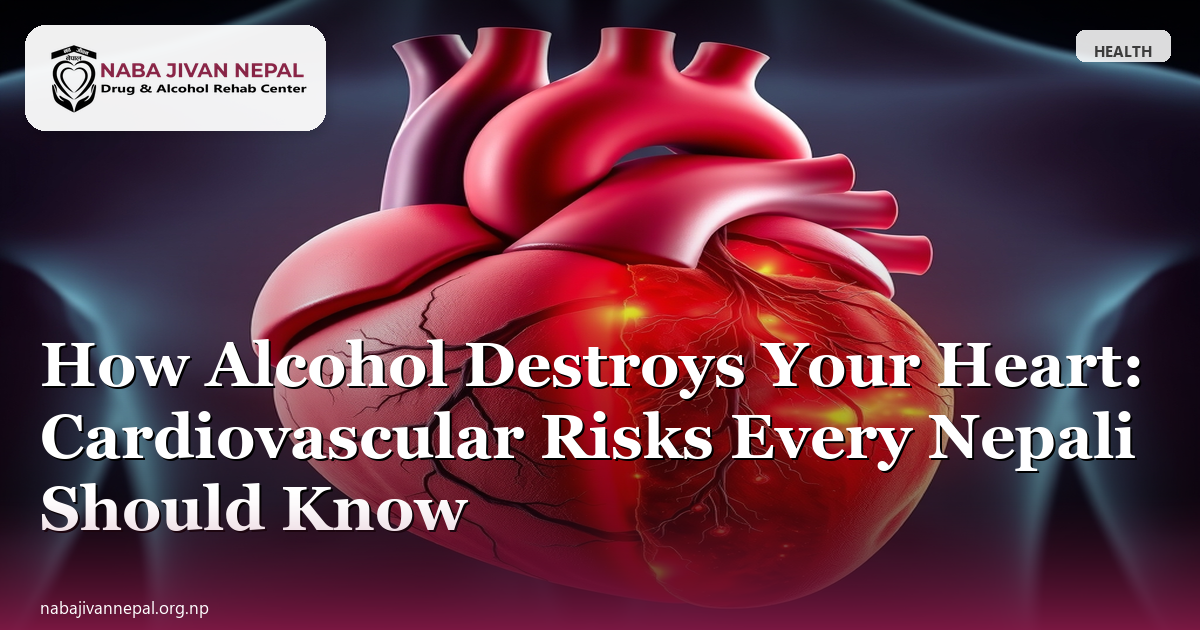
Alcohol can cause scarring in the heart, leading to conditions such as cardiomyopathy. This condition can weaken the heart muscle, making it harder for the heart to pump blood efficiently. In severe cases, cardiomyopathy can lead to heart failure, which can be life-threatening. Furthermore, alcohol can also cause inflammation in the heart, leading to conditions such as myocarditis.
In addition to these conditions, alcohol consumption can also increase the risk of stroke and other cardiovascular diseases. In Nepal, where the risk of stroke is already high due to factors such as high blood pressure and diabetes, excessive drinking can further exacerbate this risk. It is essential for individuals to be aware of these risks and take steps to protect their heart health.
Alcohol and Heart Health in Nepali Culture
In Nepali culture, drinking is often seen as a social activity, and excessive drinking is common during festivals and celebrations. However, this cultural attitude towards drinking can have serious consequences for heart health. In Nepal, where the risk of cardiovascular disease is already high, excessive drinking can further increase this risk.
It is essential for individuals to be aware of the risks associated with drinking and take steps to protect their heart health. This includes limiting the amount of alcohol consumed, avoiding binge drinking, and engaging in regular physical activity. In addition, individuals should also be aware of the signs and symptoms of cardiovascular disease and seek medical attention if they experience any unusual symptoms.
Practical Tips for Reducing Cardiovascular Risks
There are several practical tips that individuals can follow to reduce their cardiovascular risks. These include:
* Limiting the amount of alcohol consumed to no more than one drink per day for women and two drinks per day for men
* Avoiding binge drinking and excessive drinking
* Engaging in regular physical activity, such as walking or jogging
* Eating a healthy diet that is low in saturated fats and high in fruits and vegetables
* Getting regular check-ups with a healthcare provider to monitor cardiovascular health
By following these tips, individuals can reduce their risk of cardiovascular disease and protect their heart health.
Frequently Asked Questions
- Q: What is the recommended amount of alcohol to consume per day?
A: The recommended amount of alcohol to consume per day is no more than one drink per day for women and two drinks per day for men.
- Q: What are the signs and symptoms of cardiovascular disease?
A: The signs and symptoms of cardiovascular disease include chest pain, shortness of breath, dizziness, and fatigue.
- Q: How can I reduce my risk of cardiovascular disease?
A: You can reduce your risk of cardiovascular disease by limiting the amount of alcohol consumed, avoiding binge drinking, engaging in regular physical activity, eating a healthy diet, and getting regular check-ups with a healthcare provider.
- Q: What is the role of Naba Jivan Nepal in helping individuals with cardiovascular disease?
A: Naba Jivan Nepal is a drug and alcohol rehabilitation center that provides support and treatment to individuals struggling with addiction and cardiovascular disease.
- Q: How can I contact Naba Jivan Nepal for a free, confidential consultation?
A: You can contact Naba Jivan Nepal at +9779864899917 for a free, confidential consultation.
Conclusion
In conclusion, excessive drinking can have serious consequences for heart health, including increased risk of cardiovascular disease, stroke, and other conditions. In Nepal, where the risk of cardiovascular disease is already high, it is essential for individuals to be aware of these risks and take steps to protect their heart health. By limiting the amount of alcohol consumed, avoiding binge drinking, engaging in regular physical activity, eating a healthy diet, and getting regular check-ups with a healthcare provider, individuals can reduce their risk of cardiovascular disease and protect their heart health.
Call to Action
If you or someone you know is struggling with addiction or cardiovascular disease, call Naba Jivan Nepal today at +9779864899917 for a free, confidential consultation. Our team of experts is dedicated to providing support and treatment to individuals struggling with addiction and cardiovascular disease. Don’t wait – call us today and take the first step towards a healthier, happier you.
>Call Naba Jivan Nepal today at +9779864899917 for a free, confidential consultation.