<>How Addiction Destroys Your Liver: Understanding Alcohol-Related Liver Disease in Nepal<>
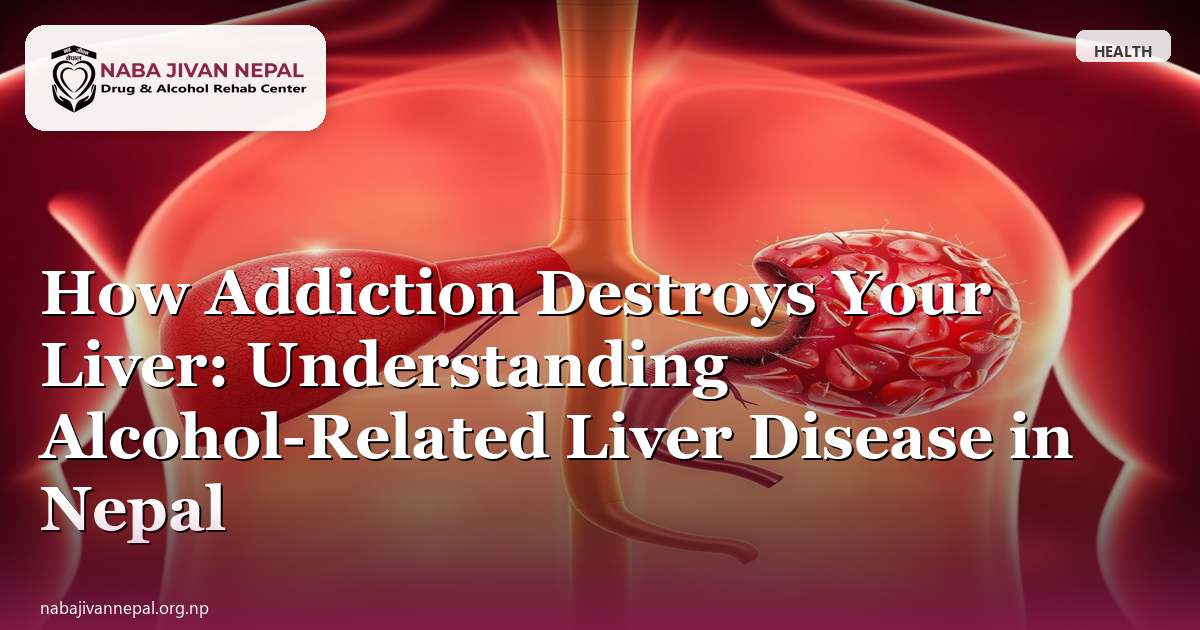
In Nepal, the rate of alcohol consumption has been increasing over the years, with a significant portion of the population engaging in binge drinking. This excessive consumption of alcohol not only affects the individual’s physical and mental health but also has a detrimental impact on their liver. Alcohol-related liver disease (ARLD) is a growing concern in Nepal, and it’s essential to understand the risks and consequences of this condition.
###
Causes and Risk Factors of Alcohol-Related Liver Disease in Nepal
Alcohol-related liver disease is a condition where the liver is damaged due to excessive consumption of alcohol. The liver plays a crucial role in detoxifying the body, and when it’s damaged, it can lead to a range of complications. In Nepal, the risk factors for ARLD include:
* Excessive alcohol consumption: Drinking more than 21 units of alcohol per week can increase the risk of ARLD.
* Genetic predisposition: Some people may be more susceptible to ARLD due to their genetic makeup.
* Age: The risk of ARLD increases with age, especially after the age of 40.
* Sex: Men are more likely to develop ARLD than women.
* Medical conditions: Certain medical conditions, such as diabetes and high blood pressure, can increase the risk of ARLD.
According to a study published in the Nepal Journal of Epidemiology, the prevalence of ARLD in Nepal is estimated to be around 10%. This is a significant concern, and it’s essential to take steps to prevent and manage this condition.
###
Symptoms of Alcohol-Related Liver Disease in Nepal
The symptoms of ARLD can vary depending on the stage of the disease. In the early stages, there may be no symptoms at all. However, as the disease progresses, the following symptoms may develop:
* Abdominal pain: Pain in the upper right quadrant of the abdomen is a common symptom of ARLD.
* Jaundice: Yellowing of the skin and eyes can occur due to the buildup of bilirubin in the blood.
* Nausea and vomiting: These symptoms can occur due to the buildup of toxins in the blood.
* Fatigue: Feeling tired and weak is a common symptom of ARLD.
* Loss of appetite: A decrease in appetite can occur due to the buildup of toxins in the blood.
If you’re experiencing any of these symptoms, it’s essential to seek medical attention immediately.
###
Stages of Alcohol-Related Liver Disease in Nepal
ARLD can be classified into three stages:
* Fatty liver: This is the earliest stage of ARLD, where the liver becomes inflamed due to the buildup of fat.
* Alcoholic hepatitis: This stage is characterized by inflammation of the liver, which can lead to scarring and damage.
* Cirrhosis: This is the final stage of ARLD, where the liver becomes scarred and damaged, leading to liver failure.
According to a study published in the Journal of Clinical and Diagnostic Research, the prevalence of cirrhosis in Nepal is estimated to be around 5%. This is a significant concern, and it’s essential to take steps to prevent and manage this condition.
###
Prevention and Management of Alcohol-Related Liver Disease in Nepal
Preventing and managing ARLD requires a comprehensive approach that includes:
* Reducing alcohol consumption: Drinking in moderation or abstaining from alcohol altogether can help prevent ARLD.
* Healthy lifestyle: Maintaining a healthy weight, exercising regularly, and eating a balanced diet can help prevent ARLD.
* Regular check-ups: Regular health check-ups can help detect ARLD early, and prompt treatment can help prevent complications.
* Medications: Medications such as vitamin E and lactulose can help manage ARLD.
If you’re struggling with addiction or ARLD, help is available at Naba Jivan Nepal, Pokhara. Call +9779864899917 to speak with a professional counselor or doctor. Don’t wait until it’s too late – take the first step towards recovery today.
Understanding the Impact of Alcohol on Liver Function in Nepal
Alcohol-related liver disease (ARLD) is a significant public health concern in Nepal, where excessive drinking is a common social norm. The liver plays a crucial role in metabolizing alcohol, and chronic exposure to excessive amounts can lead to liver damage. In Nepal, where access to healthcare services may be limited, it’s essential to understand the impact of alcohol on liver function and the importance of seeking medical attention if symptoms persist.
The liver’s primary function is to filter toxins from the blood, including alcohol. When the liver is exposed to excessive amounts of alcohol, it can become overwhelmed, leading to inflammation and scarring. This can result in liver damage, which can progress to cirrhosis, a condition characterized by the formation of scar tissue in the liver.
In Nepal, where liver disease is a significant health concern, it’s essential to be aware of the risks associated with excessive drinking. The Nepal Demographic and Health Survey (2016) reported that 35.6% of men and 13.6% of women in Nepal consume alcohol, with the majority of drinkers consuming excessive amounts.
Role of Genetics in Alcohol-Related Liver Disease in Nepal
Genetics play a significant role in the development of ARLD. Some people may be more susceptible to liver damage due to genetic factors, such as a family history of liver disease or a genetic predisposition to accumulate fat in the liver. In Nepal, where genetic testing is not widely available, it’s essential to be aware of the importance of family history in the development of ARLD.
Research has shown that certain genetic variants can increase the risk of developing ARLD. For example, a study published in the Journal of Hepatology found that individuals with a certain genetic variant were more likely to develop ARLD after consuming excessive amounts of alcohol. In Nepal, where access to genetic testing may be limited, it’s essential to be aware of the importance of family history in the development of ARLD.
While genetics play a significant role in the development of ARLD, it’s essential to note that environmental factors, such as excessive drinking, also contribute to the development of liver disease. In Nepal, where excessive drinking is a common social norm, it’s essential to be aware of the risks associated with excessive drinking and to seek medical attention if symptoms persist.
Importance of Early Detection and Treatment in Nepal
Early detection and treatment of ARLD are critical in preventing liver damage and improving outcomes. In Nepal, where access to healthcare services may be limited, it’s essential to be aware of the importance of seeking medical attention if symptoms persist. The Nepal Health Research Council recommends that individuals who consume excessive amounts of alcohol undergo regular liver function tests to detect any abnormalities early.
Early detection and treatment of ARLD can prevent liver damage and improve outcomes. In Nepal, where liver disease is a significant health concern, it’s essential to be aware of the importance of seeking medical attention if symptoms persist. The Nepal Health Research Council recommends that individuals who consume excessive amounts of alcohol undergo regular liver function tests to detect any abnormalities early.
Prevention and Management of ARLD in Nepal
Prevention and management of ARLD in Nepal require a multi-faceted approach. In addition to seeking medical attention if symptoms persist, individuals can take steps to prevent liver damage by reducing their alcohol consumption and maintaining a healthy lifestyle. The Nepal Health Research Council recommends that individuals who consume excessive amounts of alcohol undergo regular liver function tests to detect any abnormalities early.
Management of ARLD in Nepal requires a comprehensive approach that includes medical treatment, lifestyle modifications, and support from family and friends. In addition to seeking medical attention if symptoms persist, individuals can take steps to manage their liver disease by reducing their alcohol consumption, maintaining a healthy diet, and engaging in regular physical activity. The Nepal Health Research Council recommends that individuals who consume excessive amounts of alcohol undergo regular liver function tests to detect any abnormalities early.
FAQs
- Q: What are the symptoms of ARLD in Nepal?
A: Symptoms of ARLD in Nepal may include fatigue, weakness, loss of appetite, weight loss, and jaundice.
- Q: What are the risk factors for ARLD in Nepal?
A: Risk factors for ARLD in Nepal include excessive drinking, family history of liver disease, and genetic predisposition to accumulate fat in the liver.
- Q: How can I prevent ARLD in Nepal?
A: You can prevent ARLD in Nepal by reducing your alcohol consumption, maintaining a healthy lifestyle, and undergoing regular liver function tests to detect any abnormalities early.
- Q: What are the treatment options for ARLD in Nepal?
A: Treatment options for ARLD in Nepal may include medical treatment, lifestyle modifications, and support from family and friends.
- Q: Where can I seek medical attention for ARLD in Nepal?
A: You can seek medical attention for ARLD in Nepal at a hospital or a healthcare facility that specializes in liver disease.
Conclusion
Alcohol-related liver disease (ARLD) is a significant public health concern in Nepal, where excessive drinking is a common social norm. The liver plays a crucial role in metabolizing alcohol, and chronic exposure to excessive amounts can lead to liver damage. In Nepal, where access to healthcare services may be limited, it’s essential to understand the impact of alcohol on liver function and the importance of seeking medical attention if symptoms persist.
Prevention and management of ARLD in Nepal require a multi-faceted approach. In addition to seeking medical attention if symptoms persist, individuals can take steps to prevent liver damage by reducing their alcohol consumption and maintaining a healthy lifestyle. The Nepal Health Research Council recommends that individuals who consume excessive amounts of alcohol undergo regular liver function tests to detect any abnormalities early.
Call to Action
If you or someone you know is struggling with ARLD, please don’t hesitate to seek medical attention. You can call Naba Jivan Nepal today at +9779864899917 for a free, confidential consultation.
Call Naba Jivan Nepal today at +9779864899917 for a free, confidential consultation.