<>Naba Jivan Nepal: Breaking the Cycle of Hashish Addiction in Nepal<>
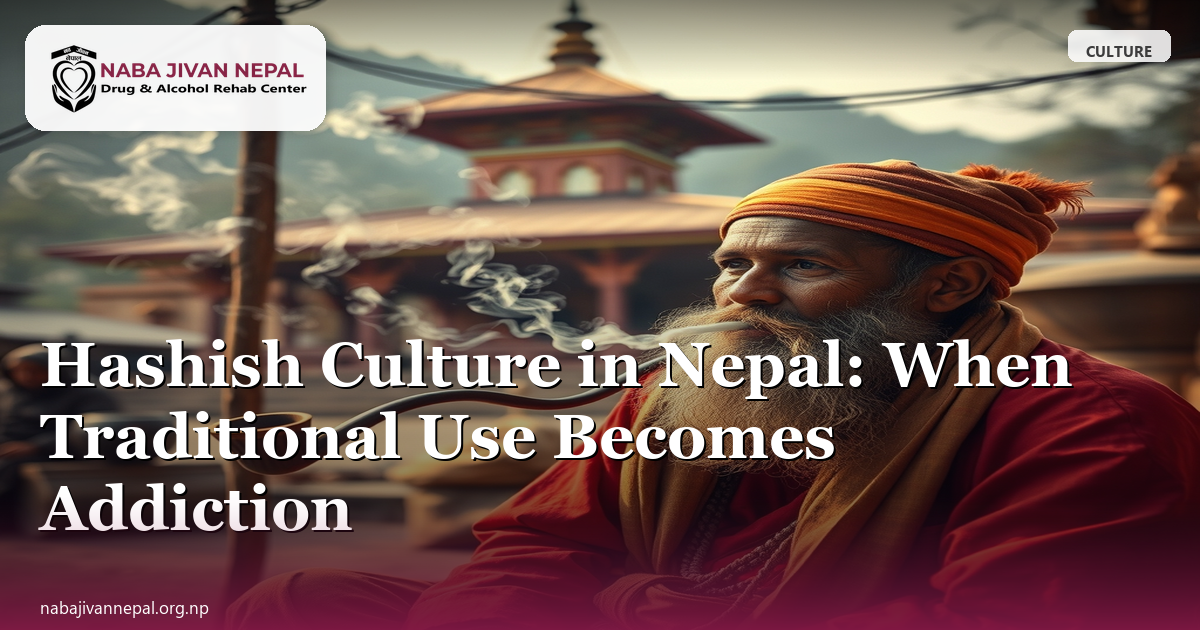
Nepal, a country known for its rich cultural heritage and breathtaking natural beauty, has a long history of hashish use. The traditional use of charas, a type of hashish, has been a part of Nepalese culture for centuries. However, with the increasing availability and accessibility of hashish, the traditional use has given way to addiction, affecting not only individuals but also families and communities.
History of Hashish Use in Nepal
Nepal’s proximity to the Himalayas and its location on the ancient trade route between India and Tibet made it an ideal place for the cultivation and trade of hashish. The use of charas was initially confined to the Himalayan region, where it was used for medicinal and spiritual purposes. However, with the advent of modern transportation and communication, hashish became widely available throughout the country.
The traditional use of charas was deeply rooted in Nepalese culture, with many people using it as a way to relax and socialize. However, with the increasing availability of hashish, the traditional use has given way to addiction, affecting not only individuals but also families and communities.
According to a study conducted by the Nepal Health Research Council, the prevalence of cannabis use among Nepalese youth is increasing rapidly. The study found that 12.3% of the respondents had used cannabis at least once in their lifetime, while 6.4% had used it in the past month.
The increasing availability and accessibility of hashish have also led to the rise of hashish-related problems in Nepal. The country has seen a significant increase in hashish-related cases in hospitals, with many people seeking treatment for hashish addiction.
physiologcal and psychological effects of hashish use
Hashish use can have both physical and psychological effects on the body. The active ingredient in hashish, THC, can alter perception, mood, and cognitive function. It can also cause physical symptoms such as dry mouth, red eyes, and increased heart rate.
Long-term hashish use can lead to addiction, as the body becomes dependent on the substance. It can also lead to a range of psychological problems, including anxiety, depression, and psychosis.
According to a study conducted by the World Health Organization, hashish use can lead to a range of health problems, including respiratory problems, cardiovascular disease, and mental health problems.
The study found that hashish use can also lead to social and economic problems, including unemployment, poverty, and relationship problems.
hashish addiction in nepal: statistics and trends
Hashish addiction is a growing problem in Nepal, with many people seeking treatment for hashish addiction. According to a study conducted by the Nepal Health Research Council, the prevalence of cannabis use among Nepalese youth is increasing rapidly.
The study found that 12.3% of the respondents had used cannabis at least once in their lifetime, while 6.4% had used it in the past month. The study also found that the prevalence of cannabis use was higher among males than females, with 14.1% of males having used cannabis at least once in their lifetime compared to 10.5% of females.
The study also found that the prevalence of cannabis use was higher among younger people, with 17.1% of respondents aged 15-24 having used cannabis at least once in their lifetime compared to 5.6% of respondents aged 45-54.
The increasing availability and accessibility of hashish have also led to the rise of hashish-related problems in Nepal. The country has seen a significant increase in hashish-related cases in hospitals, with many people seeking treatment for hashish addiction.
help is available at naba jivan nepal
If you or someone you know is struggling with hashish addiction, help is available at Naba Jivan Nepal. Our rehabilitation center in Pokhara offers a range of treatment programs and support services to help individuals overcome hashish addiction and achieve a healthy and balanced lifestyle.
Our team of experienced and compassionate professionals is dedicated to providing high-quality care and support to individuals struggling with hashish addiction. We offer a range of treatment programs, including individual and group therapy, counseling, and support groups.
To learn more about our treatment programs and services, please contact us at +9779864899917. We are here to help you overcome hashish addiction and achieve a healthy and balanced lifestyle.
Breaking the Stigma: Understanding Hashish Addiction in Nepal
Nepal has a complex relationship with hashish, with many people viewing it as a traditional and cultural substance. However, this perception can often lead to a lack of awareness about the risks associated with hashish addiction. At Naba Jivan Nepal, we believe that breaking the stigma surrounding hashish addiction is crucial in providing effective support to those affected.
Hashish addiction is often stigmatized in Nepal, with many people viewing it as a moral failing rather than a legitimate health issue. This stigma can prevent individuals from seeking help, making it even more challenging to overcome addiction. By promoting awareness and understanding, we can create a more supportive environment for those struggling with hashish addiction.
We believe that education and awareness are key to addressing hashish addiction in Nepal. By understanding the risks associated with hashish use, individuals can make informed decisions about their substance use and seek help when needed. At Naba Jivan Nepal, we provide comprehensive education and support to help individuals overcome hashish addiction and achieve a healthier, more fulfilling life.
Signs and Symptoms of Hashish Addiction in Nepal
Hashish addiction can manifest in different ways, and it’s essential to recognize the signs and symptoms to provide effective support. Some common signs of hashish addiction in Nepal include:
- Increased tolerance: Individuals may need to consume more hashish to achieve the same effects.
- Withdrawal symptoms: When hashish use is stopped or reduced, individuals may experience withdrawal symptoms such as anxiety, irritability, and insomnia.
- Neglect of responsibilities: Hashish addiction can lead to neglect of responsibilities, such as work, school, or family obligations.
- Continued use despite negative consequences: Individuals may continue to use hashish despite experiencing negative consequences, such as relationship problems or financial difficulties.
At Naba Jivan Nepal, we provide comprehensive assessments to identify the signs and symptoms of hashish addiction and develop personalized treatment plans to address these issues.
Nepal-Specific Challenges and Opportunities in Hashish Addiction Treatment
Hashish addiction treatment in Nepal presents unique challenges and opportunities. Some of the challenges include:
- Cultural and social stigma: Hashish addiction is often stigmatized in Nepal, making it challenging to seek help.
- Limited resources: Access to specialized treatment services and resources may be limited in Nepal.
- Traditional approaches: Some traditional approaches to addiction treatment in Nepal may not be evidence-based or effective.
However, there are also opportunities for innovation and growth in hashish addiction treatment in Nepal. Some of these opportunities include:
- Integration of traditional and modern approaches: Combining traditional approaches with evidence-based modern treatments can provide a more comprehensive and effective treatment plan.
- Community-based initiatives: Community-based initiatives can help reduce stigma and increase access to treatment services.
- Collaboration with local organizations: Collaboration with local organizations can help leverage resources and expertise to provide more effective treatment services.
At Naba Jivan Nepal, we are committed to addressing these challenges and opportunities to provide the most effective and comprehensive treatment services for hashish addiction in Nepal.
FAQs
Q: What is the difference between hashish and cannabis?
A: Hashish and cannabis are both derived from the cannabis plant, but hashish is a more concentrated form of cannabis that is typically made from the resin of the plant.
Q: Is hashish addiction a serious health issue?
A: Yes, hashish addiction is a serious health issue that can have significant physical and psychological consequences, including increased risk of mental health problems, relationship problems, and financial difficulties.
Q: Can hashish addiction be treated?
A: Yes, hashish addiction can be treated with evidence-based therapies and support services, including counseling, medication, and support groups.
Q: How can I get help for hashish addiction in Nepal?
A: You can get help for hashish addiction in Nepal by contacting Naba Jivan Nepal at +9779864899917 or by visiting our website to learn more about our treatment services.
Conclusion
Hashish addiction is a complex and multifaceted issue that requires a comprehensive and compassionate approach to treatment. At Naba Jivan Nepal, we are committed to providing the most effective and evidence-based treatment services for hashish addiction in Nepal. Our team of experienced professionals is dedicated to helping individuals overcome hashish addiction and achieve a healthier, more fulfilling life.
Call to Action
Don’t wait any longer to seek help for hashish addiction. Call Naba Jivan Nepal today at +9779864899917 for a free, confidential consultation. Our team is here to support you every step of the way.