<>Gambling Addiction in Nepal: When Betting Becomes a Disease<>
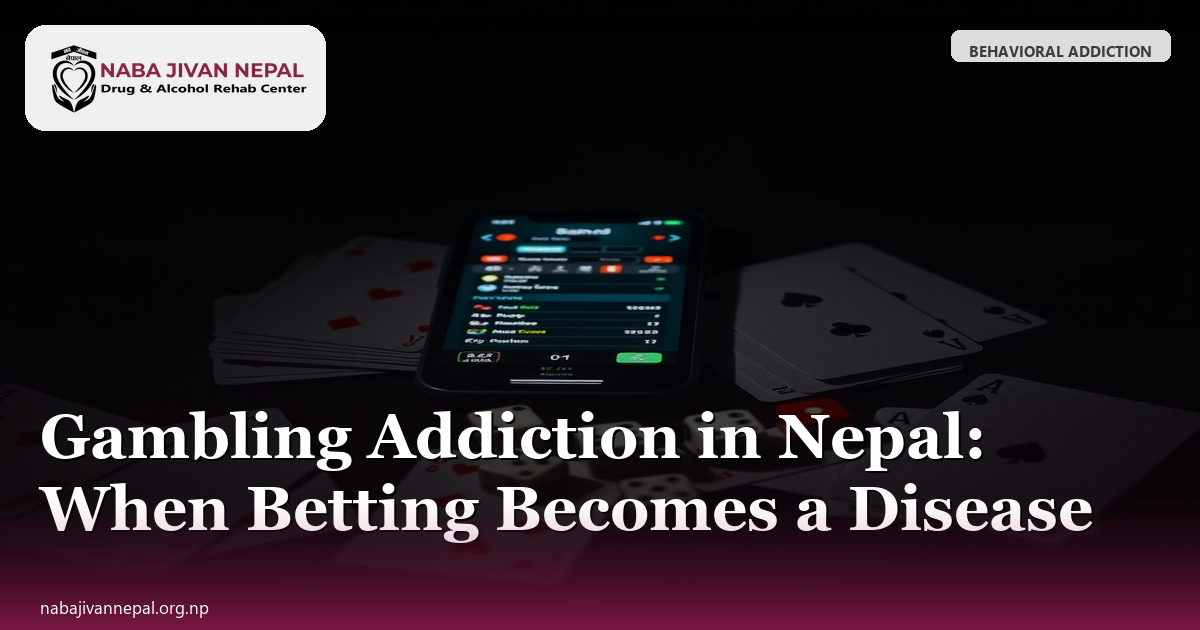
Gambling has been a part of human culture for centuries, with people engaging in various forms of betting and wagering across the globe. In Nepal, too, gambling has been a popular pastime, with many people visiting casinos and betting on sports events. However, while some people can enjoy gambling without any issues, others may find themselves becoming addicted to it. In this blog post, we will explore the issue of gambling addiction in Nepal, its causes, effects, and treatment options.
**The Rise of Online Gambling in Nepal**
With the advent of the internet and mobile technology, online gambling has become increasingly popular in Nepal. Many online casinos and betting websites have been set up, targeting Nepali gamblers. While online gambling may seem convenient and accessible, it can also be a recipe for disaster. According to a study by the Nepal Government’s Department of Youth and Sports, the number of online gamblers in Nepal has increased by 50% in the past two years. This has led to a rise in problem gambling cases, with many people losing large sums of money and damaging their relationships and careers.
**The Prevalence of Problem Gambling in Nepal**
Problem gambling is a serious issue in Nepal, with many people struggling to control their betting habits. According to a survey conducted by the Nepal Red Cross Society, 1 in 5 Nepali gamblers are problem gamblers. This means that out of every 5 people who gamble, 1 person is likely to develop a problem with it. Problem gambling can lead to financial difficulties, relationship problems, and even mental health issues such as depression and anxiety.
**The Impact of Gambling Addiction on Families**
Gambling addiction can have a devastating impact on families in Nepal. When a family member becomes addicted to gambling, it can lead to financial difficulties, relationship problems, and even domestic violence. According to a study by the Nepal Family Development Center, 70% of families affected by problem gambling experience financial difficulties, while 50% experience relationship problems. This can lead to a breakdown in family relationships and even the loss of a home.
**Nepal’s Laws and Regulations on Gambling**
While gambling is not entirely banned in Nepal, there are laws and regulations in place to regulate it. The Nepal Government has set up a licensing system for casinos and betting operators, and has also established a regulatory body to oversee the industry. However, despite these regulations, problem gambling cases continue to rise. This highlights the need for more effective laws and regulations to prevent problem gambling and protect vulnerable individuals.
**Seeking Help for Gambling Addiction**
If you or someone you know is struggling with gambling addiction, there is help available. Naba Jivan Nepal, a leading drug and alcohol rehabilitation center in Pokhara, offers professional help and support for individuals struggling with addiction. Our team of experienced therapists and counselors can provide you with the guidance and support you need to overcome your addiction and live a healthy, balanced life. Contact us today at +9779864899917 to learn more about our services and how we can help you.
Understanding the Risks of Online Gambling in Nepal
Nepal has seen a significant rise in online gambling in recent years, with many websites offering various games and betting options. While online gambling may seem like a harmless activity, it can quickly spiral out of control and lead to addiction. In Nepal, online gambling is not regulated, and many websites are not licensed to operate in the country. This lack of regulation makes it difficult for players to know whether they are playing on a safe and secure website.
Additionally, online gambling can be particularly problematic for Nepali players due to the country’s cultural and social context. In Nepal, there is a strong emphasis on family and community, and excessive gambling can lead to social isolation and strained relationships. Furthermore, online gambling can also lead to financial problems, as players may become trapped in a cycle of debt and financial instability.
It is essential for Nepali players to be aware of the risks associated with online gambling and to take steps to protect themselves. This includes setting limits on their betting, avoiding unlicensed websites, and seeking help if they feel they are developing a problem.
Signs and Symptoms of Gambling Addiction in Nepal
Recognizing the signs and symptoms of gambling addiction is crucial in seeking help and support. In Nepal, some common signs and symptoms of gambling addiction include:
- Increased betting over time, despite financial difficulties
- Feeling anxious or irritable when unable to gamble
- Continuing to gamble despite promises to stop
- Using money intended for other purposes, such as rent or food, to fund gambling
- Needing to gamble with increasing amounts of money to feel satisfied
If you or someone you know is experiencing these symptoms, it is essential to seek help immediately. Naba Jivan Nepal offers confidential and non-judgmental support to individuals struggling with gambling addiction.
Seeking Help for Gambling Addiction in Nepal
Seeking help for gambling addiction can be a challenging and intimidating process, but it is a crucial step towards recovery. In Nepal, there are several options available for individuals seeking help, including:
- Counseling and therapy: Naba Jivan Nepal offers individual and group counseling sessions to help individuals understand and manage their addiction.
- Support groups: Joining a support group, such as Gamblers Anonymous, can provide a sense of community and connection with others who are going through similar experiences.
- Hotlines and helplines: The Nepal Addiction Helpline (+9779864899917) is available 24/7 to provide confidential support and guidance.
It is essential to remember that seeking help is a sign of strength, not weakness. By reaching out for support, individuals can begin their journey towards recovery and a healthier, happier life.
Frequently Asked Questions
Q: What is the difference between a problem gambler and a compulsive gambler?
A: A problem gambler is someone who experiences difficulties with their gambling, but is still able to control their behavior. A compulsive gambler, on the other hand, is someone who is unable to control their gambling and experiences a range of negative consequences as a result.
Q: Can I gamble if I’m on a tight budget?
A: No, it’s not recommended to gamble if you’re on a tight budget. Gambling can quickly lead to financial difficulties, and it’s essential to prioritize your financial stability.
Q: How do I know if I have a gambling problem?
A: If you’re experiencing any of the signs and symptoms of gambling addiction, such as increased betting, financial difficulties, or social isolation, it’s essential to seek help.
Q: Can I recover from a gambling addiction on my own?
A: While it’s possible to recover from a gambling addiction on your own, it’s often more effective to seek professional help and support. Naba Jivan Nepal offers confidential and non-judgmental support to individuals struggling with gambling addiction.
Q: What are the long-term effects of gambling addiction?
A: The long-term effects of gambling addiction can be severe and far-reaching, including financial difficulties, social isolation, and mental health problems. It’s essential to seek help and support to prevent these consequences.
Conclusion
Gambling addiction is a serious issue that affects individuals and families across Nepal. It’s essential to recognize the signs and symptoms of addiction and to seek help and support. Naba Jivan Nepal offers confidential and non-judgmental support to individuals struggling with gambling addiction. If you or someone you know is experiencing difficulties with gambling, please don’t hesitate to reach out for help.