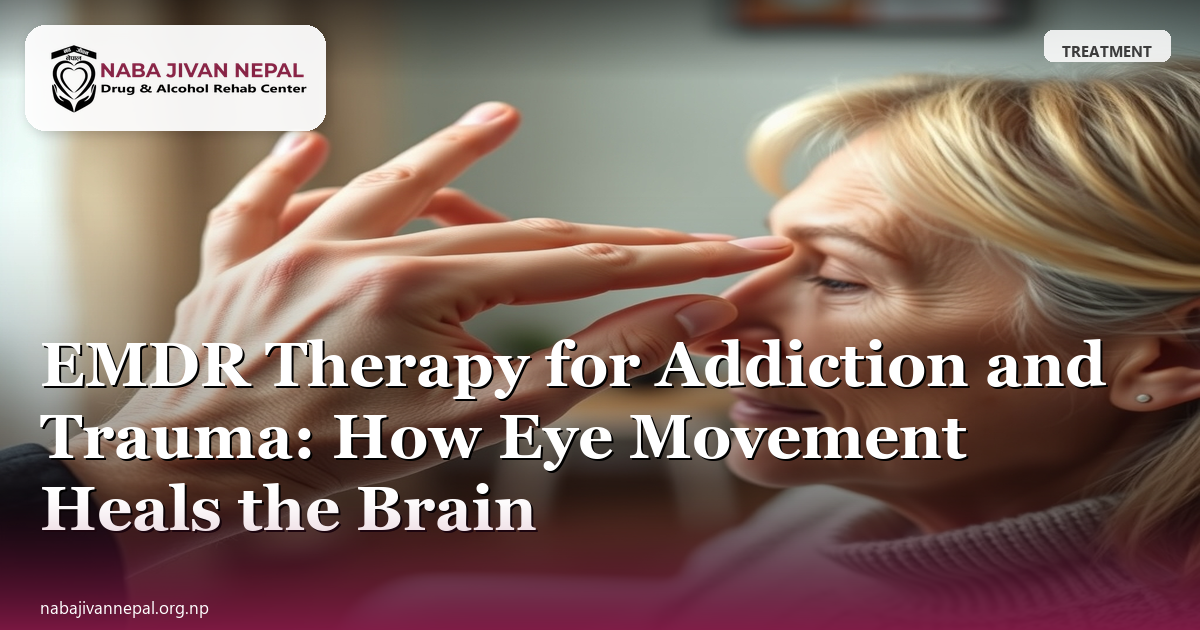
<>EMDR Therapy for Addiction and Trauma: How Eye Movement Heals the Brain
In Nepal, where the majestic Himalayas stand tall, the struggle with addiction and trauma is a harsh reality for many. According to a 2020 report by the Nepal Ministry of Health and Population, approximately 1.3 million people in Nepal suffer from substance abuse, with the majority being young adults. The trauma caused by addiction, coupled with the country’s complex social and economic landscape, makes it challenging for individuals to seek help and recover.
Understanding EMDR Therapy
EMDR (Eye Movement Desensitization and Reprocessing) therapy is a non-invasive, evidence-based treatment approach that has gained significant attention in recent years. Developed by Dr. Francine Shapiro in the late 1980s, EMDR therapy is designed to help individuals process and integrate traumatic memories, reducing their distressing effects. The therapy involves a combination of eye movements, tapping, or other forms of bilateral stimulation, which helps the brain reprocess and consolidate traumatic memories.
How EMDR Therapy Works
When an individual experiences a traumatic event, their brain may struggle to process and store the memory in a healthy way. This can lead to the development of post-traumatic stress disorder (PTSD), anxiety, depression, and other mental health issues. EMDR therapy works by activating the brain’s natural processing mechanisms, allowing the individual to reconsolidate traumatic memories in a more adaptive way. This process involves the release of neurotransmitters, such as dopamine and serotonin, which help regulate mood, motivation, and emotional response.
The Science Behind EMDR Therapy
Research has shown that EMDR therapy affects the brain’s neural networks, particularly in regions involved in emotional processing, memory consolidation, and attention. Studies have demonstrated that EMDR therapy can reduce activity in the amygdala, a key structure involved in fear and anxiety responses, while increasing activity in the prefrontal cortex, which regulates executive function and decision-making. This neural reorganization enables individuals to better manage their emotions, thoughts, and behaviors, leading to improved mental health outcomes.
EMDR Therapy for Addiction
Addiction is a complex condition that involves physical, emotional, and psychological components. EMDR therapy can help individuals address the underlying trauma and emotional dysregulation that often contribute to addiction. By processing and integrating traumatic memories, individuals can develop a greater sense of self-awareness, self-acceptance, and self-compassion, which are essential for recovery. EMDR therapy can also help individuals develop coping skills, manage cravings, and maintain sobriety.
Seeking Help at Naba Jivan Nepal
If you or someone you know is struggling with addiction or trauma, professional help is available at Naba Jivan Nepal, a reputable drug and alcohol rehabilitation center in Pokhara. Our experienced therapists and counselors are trained in EMDR therapy and other evidence-based approaches, providing a safe and supportive environment for individuals to heal and recover. Contact us at +9779864899917 to learn more about our services and how we can support you on your journey towards recovery.
Overcoming Trauma with EMDR Therapy: A Journey of Healing
At Naba Jivan Nepal, we understand that trauma and addiction often go hand-in-hand. EMDR therapy is a powerful tool that can help individuals overcome their traumatic experiences and develop a more positive outlook on life. Our experienced therapists use EMDR therapy to help clients process their emotions, behaviors, and physical sensations associated with trauma, leading to a more fulfilling and meaningful life.
When working with clients who have experienced trauma, our therapists use EMDR therapy to help them reprocess their memories and emotions in a safe and controlled environment. This can lead to a reduction in symptoms such as anxiety, depression, and post-traumatic stress disorder (PTSD). By helping clients reframe their traumatic experiences, we can empower them to take control of their lives and move forward with confidence.
EMDR therapy is not a one-size-fits-all approach. Our therapists work closely with each client to develop a personalized treatment plan that addresses their unique needs and goals. We believe that every individual deserves a tailored approach to healing, and we are committed to providing the highest level of care and support.
Practical Tips for Using EMDR Therapy at Home
While EMDR therapy is typically conducted in a clinical setting, there are ways to incorporate its principles into your daily life. Here are some practical tips for using EMDR therapy at home:
- Practice self-compassion: Treat yourself with kindness and understanding, just as you would a close friend.
- Engage in physical activity: Exercise can help reduce stress and anxiety, making it easier to process traumatic memories.
- Seek social support: Connect with loved ones, friends, or a support group to help you feel less isolated and more supported.
- Practice mindfulness: Focus on the present moment, without judgment, to help you stay grounded and centered.
Nepal-Specific Considerations for EMDR Therapy
While EMDR therapy is a universal approach, there are certain considerations that are unique to Nepal. Here are a few things to keep in mind:
In Nepal, cultural and social norms can play a significant role in the healing process. Our therapists are trained to work with clients from diverse backgrounds and to incorporate cultural sensitivity into their practice.
Additionally, Nepal’s natural beauty and serene environment can provide a unique backdrop for the healing process. Our center is located in Pokhara, a picturesque town surrounded by mountains and lakes, which can provide a peaceful and calming atmosphere for clients to process their emotions and behaviors.
FAQs About EMDR Therapy at Naba Jivan Nepal
Q: What is EMDR therapy, and how does it work?
A: EMDR therapy is a type of psychotherapy that uses eye movement, tapping, or other forms of stimulation to help process traumatic memories and emotions. By activating the brain’s natural processing centers, EMDR therapy can help individuals reframe their traumatic experiences and develop a more positive outlook on life.
Q: Is EMDR therapy safe?
A: Yes, EMDR therapy is a safe and effective approach to healing.(spell) Our therapists are trained to work with clients who have experienced trauma and to provide a safe and supportive environment for the healing process.
Q: How long does EMDR therapy take?
A: The length of EMDR therapy can vary depending on the individual and their specific needs. Our therapists work closely with each client to develop a personalized treatment plan that addresses their unique goals and objectives.
Q: Can I use EMDR therapy in conjunction with other therapies?
A: Yes, EMDR therapy can be used in conjunction with other therapies, such as cognitive-behavioral therapy (CBT) or medication. Our therapists are trained to work with clients who have complex needs and to develop a comprehensive treatment plan that addresses their unique needs.
Q: Is EMDR therapy covered by insurance?
A: Yes, EMDR therapy may be covered by insurance, depending on the specific policy and provider. Our staff can help you navigate the insurance process and determine what coverage you may be eligible for.
Conclusion
At Naba Jivan Nepal, we believe that everyone deserves a chance to heal and move forward from their traumatic experiences. EMDR therapy is a powerful tool that can help individuals process their emotions, behaviors, and physical sensations associated with trauma, leading to a more fulfilling and meaningful life.
Our experienced therapists use EMDR therapy to help clients reprocess their memories and emotions in a safe and controlled environment. We believe that every individual deserves a tailored approach to healing, and we are committed to providing the highest level of care and support.