<>Dating in Recovery: When Is It Safe to Start a New Relationship After Rehab?<>
<>Navigating the Complexities of Dating in Recovery<>
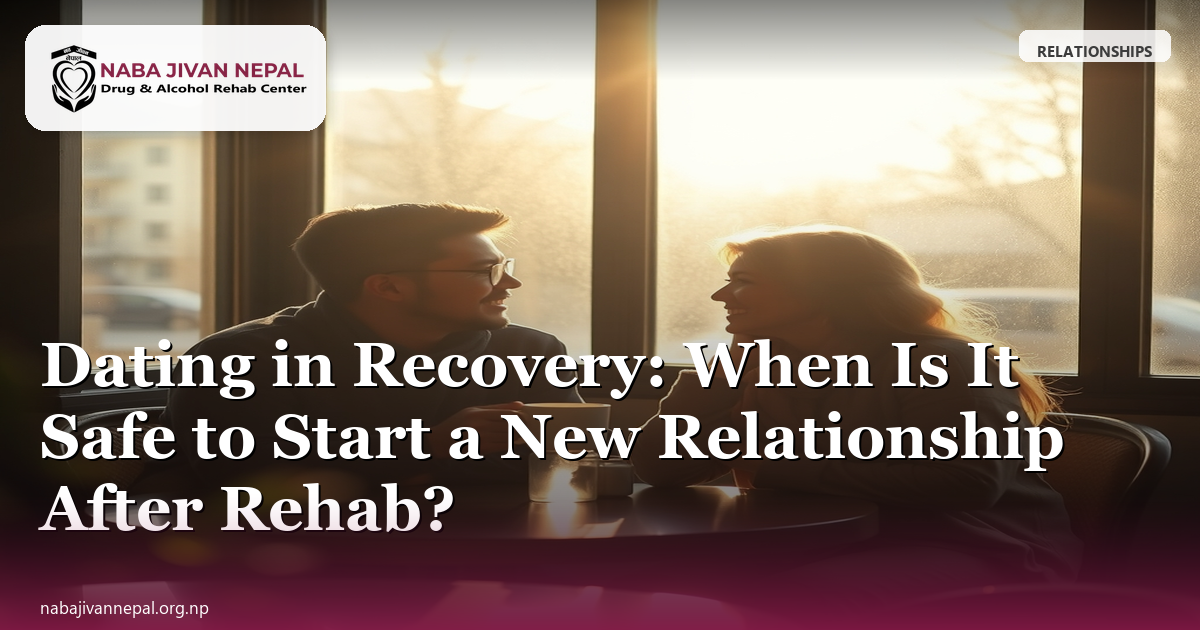
Dating in recovery can be a daunting and confusing experience, especially for those who have recently completed a rehabilitation program. The idea of starting a new relationship can be both exciting and intimidating, as individuals may struggle to balance their desire for connection with the need to prioritize their recovery. In Nepal, where cultural and social norms often emphasize the importance of family and relationships, navigating the complexities of dating in recovery can be particularly challenging.
<>Understanding the Risks of Premature Dating in Recovery<>
Research has shown that premature dating in recovery can be detrimental to an individual’s sobriety and overall well-being. A study conducted by the Substance Abuse and Mental Health Services Administration (SAMHSA) found that individuals who entered into romantic relationships within the first six months of recovery were more likely to relapse than those who waited longer to start dating. In Nepal, where the stigma surrounding addiction is still prevalent, individuals may feel pressure to hide their struggles with addiction, leading them to enter into relationships prematurely and potentially compromising their recovery.
<>The Importance of Self-Care in Recovery<>
Self-care is a critical component of the recovery process, and dating in recovery can often compromise an individual’s ability to prioritize their own needs. In Nepal, where the concept of self-care is still evolving, individuals may struggle to recognize the importance of taking care of themselves, particularly in the context of relationships. By prioritizing self-care, individuals can better manage the challenges of dating in recovery and maintain their sobriety.
<>Seeking Professional Help at Naba Jivan Nepal<>
At Naba Jivan Nepal, our experienced team of professionals understands the complexities of dating in recovery and is committed to providing individuals with the support and guidance they need to navigate this challenging process. Our rehabilitation center in Pokhara offers a range of programs and services designed to help individuals overcome addiction and maintain their sobriety. If you or someone you know is struggling with addiction and is considering starting a new relationship, please do not hesitate to contact us at +9779864899917. Our team is here to help.
<>Cultural and Social Norms in Nepal<>
In Nepal, cultural and social norms often emphasize the importance of family and relationships. However, these norms can also create challenges for individuals in recovery, particularly when it comes to dating. For example, individuals may feel pressure to enter into relationships prematurely in order to meet societal expectations, or they may struggle to balance their desire for connection with the need to prioritize their recovery. By understanding these cultural and social norms, individuals can better navigate the complexities of dating in recovery and maintain their sobriety.
<>Support Systems in Nepal<>
In Nepal, support systems play a critical role in helping individuals overcome addiction and maintain their sobriety. Family and friends can provide emotional support and encouragement, while professional treatment centers like Naba Jivan Nepal can offer evidence-based programs and services. By leveraging these support systems, individuals can better navigate the challenges of dating in recovery and achieve long-term sobriety.
Building Healthy Boundaries in Relationships After Rehab
Once you’ve completed your rehab program, it’s essential to establish healthy boundaries in your relationships. This means being mindful of your emotional and physical needs, as well as those of your partner. In Nepal, where cultural and social norms can be complex, it’s crucial to communicate openly and honestly with your partner about your boundaries and expectations.
Here are some practical tips for building healthy boundaries in relationships after rehab:
- Communicate openly and honestly with your partner about your needs and expectations.
- Set clear boundaries around your time, energy, and emotional resources.
- Practice self-care and prioritize your physical and emotional well-being.
- Seek support from friends, family, or a therapist if you’re struggling to maintain healthy boundaries.
Navigating Social Pressures and Expectations in Nepal
In Nepal, social pressures and expectations can be intense, particularly when it comes to relationships. It’s not uncommon for families and friends to pressure individuals to get married or enter into a long-term relationship. However, this can be challenging for individuals in recovery, who may need time and space to focus on their own healing and growth.
Here are some tips for navigating social pressures and expectations in Nepal:
- Communicate openly and honestly with your family and friends about your needs and expectations.
- Set clear boundaries around your time and energy.
- Seek support from friends, family, or a therapist if you’re struggling to navigate social pressures.
- Consider seeking support from a support group or online community for individuals in recovery.
Staying Connected with Loved Ones While in Recovery
One of the biggest challenges of recovery is staying connected with loved ones while also prioritizing your own healing and growth. In Nepal, where family and social ties are strong, this can be particularly challenging.
Here are some tips for staying connected with loved ones while in recovery:
- Communicate openly and honestly with your loved ones about your needs and expectations.
- Set clear boundaries around your time and energy.
- Seek support from friends, family, or a therapist if you’re struggling to stay connected with loved ones.
- Consider seeking support from a support group or online community for individuals in recovery.
Frequently Asked Questions
<>Q: How long should I wait before starting a new relationship after rehab?
There’s no one-size-fits-all answer to this question. The length of time you should wait before starting a new relationship after rehab will depend on your individual needs and circumstances. It’s essential to prioritize your own healing and growth before entering into a new relationship.
<>Q: What are some signs that I’m ready for a new relationship?
Some signs that you may be ready for a new relationship include feeling emotionally stable, having a strong support system, and being able to communicate openly and honestly with your partner.
<>Q: How can I navigate social pressures and expectations in Nepal?
Communicating openly and honestly with your family and friends, setting clear boundaries around your time and energy, and seeking support from friends, family, or a therapist can help you navigate social pressures and expectations in Nepal.
<>Q: What are some tips for staying connected with loved ones while in recovery?
Communicating openly and honestly with your loved ones, setting clear boundaries around your time and energy, and seeking support from friends, family, or a therapist can help you stay connected with loved ones while in recovery.
<>Q: How can I prioritize my own healing and growth in a new relationship?
Communicating openly and honestly with your partner, setting clear boundaries around your time and energy, and prioritizing self-care can help you prioritize your own healing and growth in a new relationship.
Conclusion
Dating in recovery can be challenging, but it’s not impossible. By prioritizing your own healing and growth, communicating openly and honestly with your partner, and setting clear boundaries around your time and energy, you can build a healthy and fulfilling relationship.
Call to Action
If you’re struggling to navigate the challenges of dating in recovery, call Naba Jivan Nepal today at +9779864899917 for a free, confidential consultation. Our experienced team is here to support you every step of the way.