<>Benzodiazepine Addiction in Nepal: The Hidden Crisis Behind Anti-Anxiety Pills<>
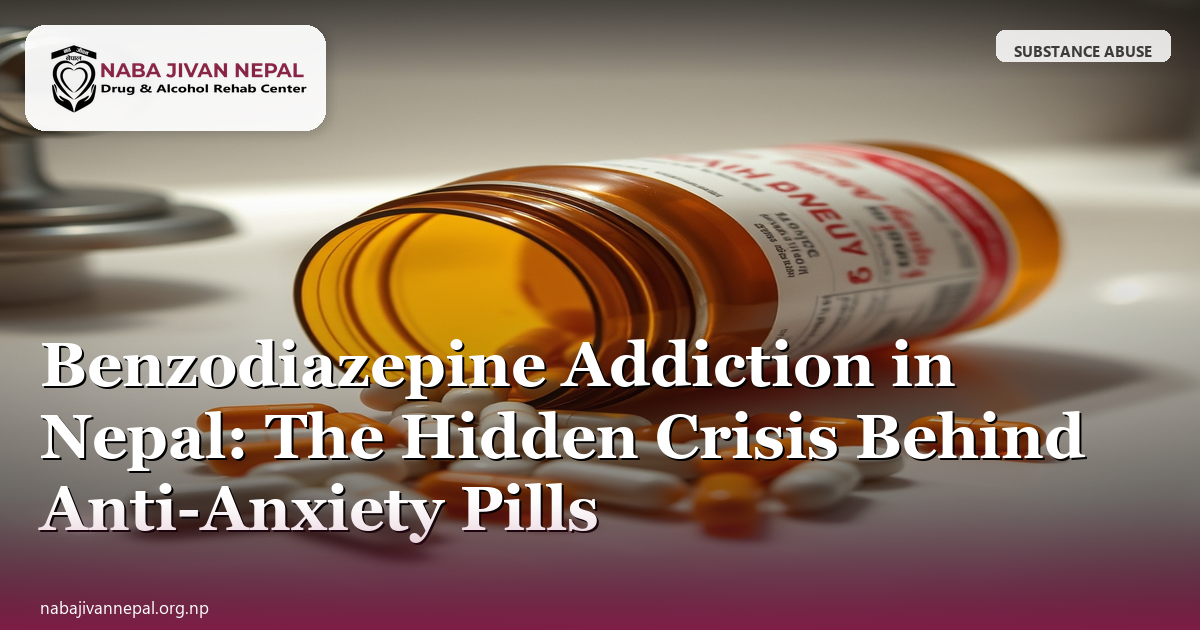
Nepal, a country known for its serene landscapes and rich cultural heritage, is facing a growing concern that threatens the well-being of its citizens. Benzodiazepine addiction, a condition characterized by the misuse of anti-anxiety medications, has become a silent crisis in Nepal. Valium, a popular benzodiazepine, is often prescribed to treat anxiety disorders, but its potential for abuse and dependency is alarming. In this blog post, we will delve into the world of benzodiazepine addiction in Nepal, exploring its causes, consequences, and the available treatment options.
###
The Rise of Benzodiazepine Addiction in Nepal
Benzodiazepine addiction in Nepal is a relatively new phenomenon, but its impact is already being felt. According to a study published in the Journal of Substance Abuse Treatment, the prevalence of benzodiazepine use disorders in Nepal is estimated to be around 2.5%. This may seem like a small percentage, but it translates to thousands of individuals struggling with addiction. The ease of access to benzodiazepines, both through prescription and illicit channels, has contributed to their widespread misuse.
###
Causes of Benzodiazepine Addiction in Nepal
So, what drives individuals to develop a benzodiazepine addiction? In Nepal, several factors contribute to this phenomenon. The country’s rapid urbanization and changing lifestyles have led to increased stress levels, making individuals more susceptible to anxiety disorders. The lack of awareness about the risks associated with benzodiazepine use and the ease of access to these medications have also played a significant role. Furthermore, the stigma surrounding mental health issues in Nepal has led many individuals to seek help from unqualified practitioners, who may prescribe benzodiazepines without proper diagnosis or monitoring.
###
Consequences of Benzodiazepine Addiction in Nepal
The consequences of benzodiazepine addiction in Nepal are far-reaching and devastating. Individuals struggling with addiction may experience withdrawal symptoms, including seizures, tremors, and hallucinations, when they attempt to quit. Long-term use of benzodiazepines can also lead to cognitive impairment, memory loss, and increased risk of dementia. In Nepal, where access to quality healthcare is limited, the consequences of benzodiazepine addiction can be particularly severe.
###
Valium Abuse in Nepal: A Growing Concern
Valium, a popular benzodiazepine, is often prescribed to treat anxiety disorders in Nepal. However, its potential for abuse and dependency is alarming. According to a study published in the Journal of Clinical Psychopharmacology, Valium is one of the most commonly misused benzodiazepines in Nepal. The ease of access to Valium, both through prescription and illicit channels, has contributed to its widespread misuse. In Nepal, where the stigma surrounding mental health issues is high, individuals may be more likely to seek help from unqualified practitioners, who may prescribe Valium without proper diagnosis or monitoring.
###
Available Treatment Options for Benzodiazepine Addiction in Nepal
If you or someone you know is struggling with benzodiazepine addiction in Nepal, there is hope. Naba Jivan Nepal, a reputable drug and alcohol rehabilitation center in Pokhara, offers comprehensive treatment programs for individuals struggling with addiction. Our team of experienced professionals provides a safe and supportive environment for individuals to overcome their addiction and achieve long-term recovery. If you are struggling with benzodiazepine addiction, please call us at +9779864899917 to learn more about our treatment options and how we can help you achieve a life free from addiction.
Breaking the Stigma: Benzodiazepine Addiction in Nepal
Benzodiazepine addiction in Nepal is often shrouded in secrecy and stigma. Many individuals struggling with addiction feel ashamed or embarrassed to seek help, fearing judgment from family, friends, or society at large. This stigma can make it even more challenging to overcome addiction, as individuals may feel reluctant to admit their struggles or seek support.
At Naba Jivan Nepal, we believe that breaking the stigma surrounding benzodiazepine addiction is crucial to providing effective treatment and support. By creating a safe, non-judgmental environment, we empower individuals to confront their addiction and take the first steps towards recovery.
We understand that every individual’s journey with addiction is unique, and we tailor our approach to meet the specific needs of each person. Our experienced team of therapists, counselors, and medical professionals work together to provide comprehensive care and support.
Understanding the Impact of Benzodiazepine Addiction on Mental Health
Benzodiazepine addiction can have a profound impact on mental health, leading to a range of emotional and psychological symptoms. These may include anxiety, depression, mood swings, and irritability, among others.
At Naba Jivan Nepal, we recognize the complex relationship between benzodiazepine addiction and mental health. Our treatment programs are designed to address the underlying emotional and psychological issues that may have contributed to addiction, as well as the physical symptoms of withdrawal and recovery.
Our team of mental health professionals uses evidence-based therapies, such as cognitive-behavioral therapy (CBT) and dialectical behavior therapy (DBT), to help individuals develop coping skills, manage emotions, and build resilience.
Nepal-Specific Challenges and Opportunities
Benzodiazepine addiction in Nepal is often linked to societal and cultural factors, such as the high prevalence of anxiety and stress, limited access to mental health services, and the availability of benzodiazepines in the black market.
At Naba Jivan Nepal, we are committed to addressing these challenges and opportunities in our treatment programs. We work closely with local communities, healthcare providers, and government agencies to raise awareness about benzodiazepine addiction, promote prevention and early intervention, and provide accessible and affordable treatment options.
We also recognize the importance of cultural sensitivity and adaptability in our treatment approach. Our team of therapists and counselors are trained to work with individuals from diverse cultural backgrounds, taking into account the unique values, beliefs, and practices that may influence an individual’s experience of addiction and recovery.
Practical Tips for Managing Benzodiazepine Addiction
- Seek professional help: If you or someone you know is struggling with benzodiazepine addiction, seek help from a qualified healthcare professional or addiction treatment center.
- Build a support network: Surround yourself with people who can provide emotional support, encouragement, and accountability throughout the recovery process.
- Practice self-care: Engage in activities that promote physical and emotional well-being, such as exercise, meditation, and spending time in nature.
- Stay informed: Educate yourself about benzodiazepine addiction, its risks and consequences, and the treatment options available.
Frequently Asked Questions
- Q: What is benzodiazepine addiction?
A: Benzodiazepine addiction is a chronic condition characterized by the compulsive use of benzodiazepines, despite negative consequences on physical and mental health.
- Q: How common is benzodiazepine addiction in Nepal?
A: Benzodiazepine addiction is a growing concern in Nepal, with increasing rates of prescription and misuse of benzodiazepines.
- Q: What are the symptoms of benzodiazepine addiction?
A: Symptoms of benzodiazepine addiction may include withdrawal symptoms, tolerance, and dependence, as well as emotional and psychological symptoms such as anxiety, depression, and mood swings.
- Q: How can I get help for benzodiazepine addiction?
A: You can seek help from a qualified healthcare professional or addiction treatment center, such as Naba Jivan Nepal.
Conclusion
Benzodiazepine addiction in Nepal is a complex and multifaceted issue that requires a comprehensive and integrated approach to treatment and support. At Naba Jivan Nepal, we are committed to providing evidence-based treatment programs, addressing the underlying emotional and psychological issues that may have contributed to addiction, and promoting prevention and early intervention.
We believe that every individual deserves access to effective and compassionate care, regardless of their background or circumstances. If you or someone you know is struggling with benzodiazepine addiction, call Naba Jivan Nepal today at +9779864899917 for a free, confidential consultation.