<>Chronic Pain and Addiction in Nepal: Breaking the Painkiller Dependency Cycle<>
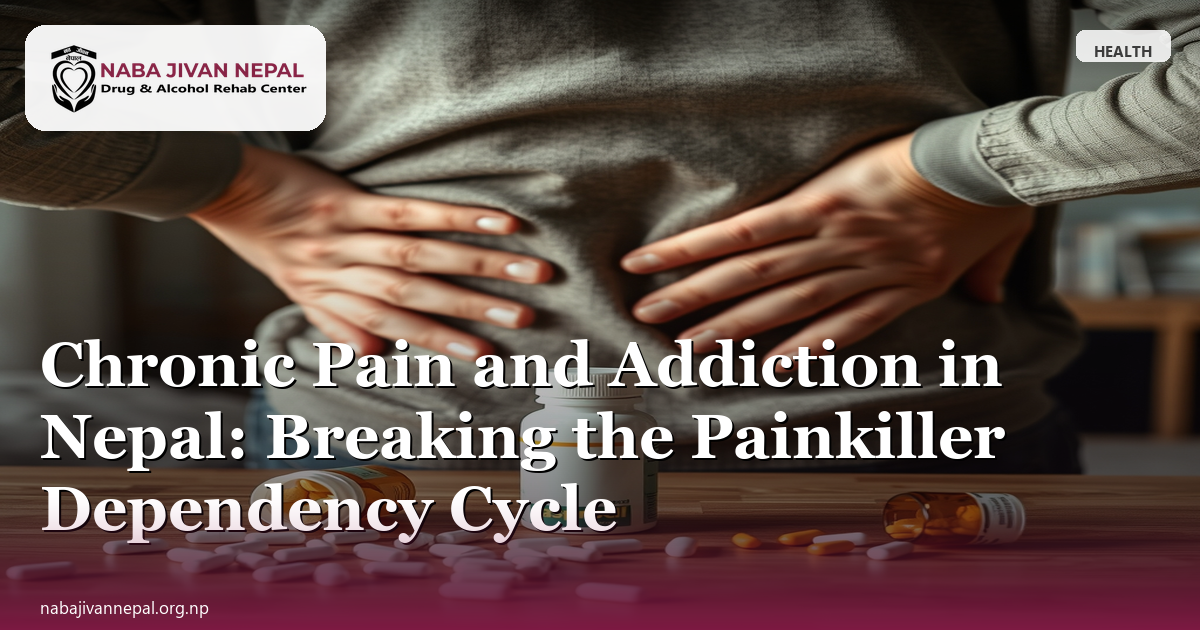
Nepal, a country known for its breathtaking landscapes and rich cultural heritage, is also grappling with a growing concern of chronic pain and addiction. The overuse of painkillers has become a significant issue in the country, with many individuals struggling to break free from the painkiller dependency cycle. According to a study published in the Nepal Journal of Epidemiology, the prevalence of chronic pain among Nepalese adults is estimated to be around 30%.
Understanding Chronic Pain in Nepal
Chronic pain is a complex condition that affects millions of people worldwide, including Nepal. It is characterized by persistent and intense pain that lasts for more than three months. In Nepal, chronic pain is often associated with various factors such as accidents, injuries, and medical conditions like arthritis and fibromyalgia. The lack of access to quality healthcare and pain management services in rural areas further exacerbates the issue.
Painkiller Dependency Cycle in Nepal
The painkiller dependency cycle is a vicious cycle that can lead to addiction and other serious health consequences. In Nepal, the overuse of painkillers is often driven by the lack of awareness about safe pain management practices and the easy availability of prescription medications. According to a report by the World Health Organization (WHO), the misuse of prescription medications is a significant public health concern in Nepal, with many individuals using painkillers without a valid prescription.
Consequences of Chronic Pain and Addiction in Nepal
The consequences of chronic pain and addiction in Nepal are far-reaching and devastating. Individuals struggling with chronic pain and addiction often experience social isolation, relationship problems, and economic difficulties. In addition, the misuse of painkillers can lead to serious health consequences such as overdose, liver damage, and respiratory depression. According to a study published in the Journal of Addiction Medicine, the mortality rate due to overdose in Nepal is estimated to be around 10%.
Breaking the Painkiller Dependency Cycle in Nepal
Breaking the painkiller dependency cycle requires a comprehensive approach that involves medical treatment, counseling, and support. At Naba Jivan Nepal, our team of experienced professionals provides a safe and supportive environment for individuals struggling with chronic pain and addiction. Our rehabilitation program includes medication-assisted treatment, counseling, and therapy to help individuals manage their pain and overcome addiction. If you or someone you know is struggling with chronic pain and addiction, please call us at +9779864899917 for professional help and support.
Understanding the Role of Mental Health in Chronic Pain and Addiction in Nepal
Chronic pain and addiction often go hand-in-hand, and mental health plays a significant role in this complex relationship. In Nepal, the stigma surrounding mental health issues can lead to delayed diagnosis and treatment, exacerbating the problem. At Naba Jivan Nepal, we recognize the importance of addressing mental health in conjunction with physical pain management. Our team of experts works closely with patients to develop personalized treatment plans that address the emotional and psychological aspects of chronic pain and addiction.
Research has shown that individuals with chronic pain are more likely to experience depression, anxiety, and post-traumatic stress disorder (PTSD). In Nepal, where mental health resources are limited, it’s essential to seek professional help to manage these conditions. Our rehabilitation center offers a range of therapies, including cognitive-behavioral therapy (CBT), mindfulness-based stress reduction (MBSR), and medication-assisted treatment (MAT), to help patients cope with the emotional and psychological aspects of chronic pain and addiction.
By addressing mental health, we can break the cycle of chronic pain and addiction in Nepal. Our goal is to empower patients with the tools and resources they need to manage their pain and addiction, while also promoting overall well-being and quality of life.
Nepal-Specific Strategies for Managing Chronic Pain and Addiction
In Nepal, where traditional medicine and cultural practices play a significant role in healthcare, it’s essential to incorporate these approaches into treatment plans. At Naba Jivan Nepal, we work with patients to develop personalized treatment plans that incorporate traditional medicine, yoga, and meditation to manage chronic pain and addiction. Our team of experts also provides education on healthy coping mechanisms, stress management, and relapse prevention to help patients maintain long-term recovery.
We also recognize the importance of family support in the recovery process. Our family therapy program provides a safe and supportive environment for loved ones to learn about addiction, chronic pain, and mental health. By educating family members on how to support their loved ones, we can promote a stronger support system and reduce the risk of relapse.
In addition, we offer a range of alternative therapies, including acupuncture, massage therapy, and art therapy, to help patients manage chronic pain and addiction. These holistic approaches can help reduce stress, promote relaxation, and improve overall well-being.
Practical Tips for Managing Chronic Pain and Addiction in Nepal
While seeking professional help is essential, there are also several practical tips that can help individuals manage chronic pain and addiction in Nepal. Here are a few:
- Stay hydrated: Drinking plenty of water can help reduce pain and inflammation. Aim to drink at least 8-10 glasses of water per day.
- Exercise regularly: Engage in gentle exercises, such as yoga or walking, to help manage pain and improve mood.
- Practice stress-reducing techniques: Try techniques like deep breathing, meditation, or progressive muscle relaxation to help manage stress and anxiety.
- Get enough sleep: Aim for 7-8 hours of sleep per night to help regulate pain and mood.
- Seek support: Connect with friends, family, or support groups to help manage stress and prevent relapse.
Frequently Asked Questions
Q: What is the difference between chronic pain and addiction?
A: Chronic pain is a long-term condition that can cause significant distress and impairment, while addiction is a complex condition characterized by compulsive use of substances despite negative consequences.
Q: Can chronic pain and addiction be treated simultaneously?
A: Yes, at Naba Jivan Nepal, we offer comprehensive treatment plans that address both chronic pain and addiction. Our team of experts works closely with patients to develop personalized treatment plans that address the physical, emotional, and psychological aspects of these conditions.
Q: What are the risks of not treating chronic pain and addiction?
A: Untreated chronic pain and addiction can lead to significant physical and emotional consequences, including increased risk of relapse, worsening of symptoms, and decreased quality of life.
Q: How long does treatment for chronic pain and addiction typically last?
A: The length of treatment varies depending on individual needs and circumstances. At Naba Jivan Nepal, we offer a range of treatment options, including inpatient and outpatient programs, to help patients achieve long-term recovery.
Q: Is treatment for chronic pain and addiction covered by insurance?
A: Yes, many insurance plans cover treatment for chronic pain and addiction. Our team of experts works closely with patients to navigate insurance coverage and ensure that treatment is accessible and affordable.
Conclusion
Chronic pain and addiction are complex conditions that require comprehensive treatment. At Naba Jivan Nepal, we offer a range of treatment options, including inpatient and outpatient programs, to help patients achieve long-term recovery. Our team of experts works closely with patients to develop personalized treatment plans that address the physical, emotional, and psychological aspects of these conditions. By seeking professional help and incorporating practical tips and strategies, individuals can break the cycle of chronic pain and addiction and achieve a better quality of life.
Call to Action
Don’t wait any longer to seek help for chronic pain and addiction. Call Naba Jivan Nepal today at +9779864899917 for a free, confidential consultation. Our team of experts is here to help you achieve long-term recovery and improve your overall well-being.