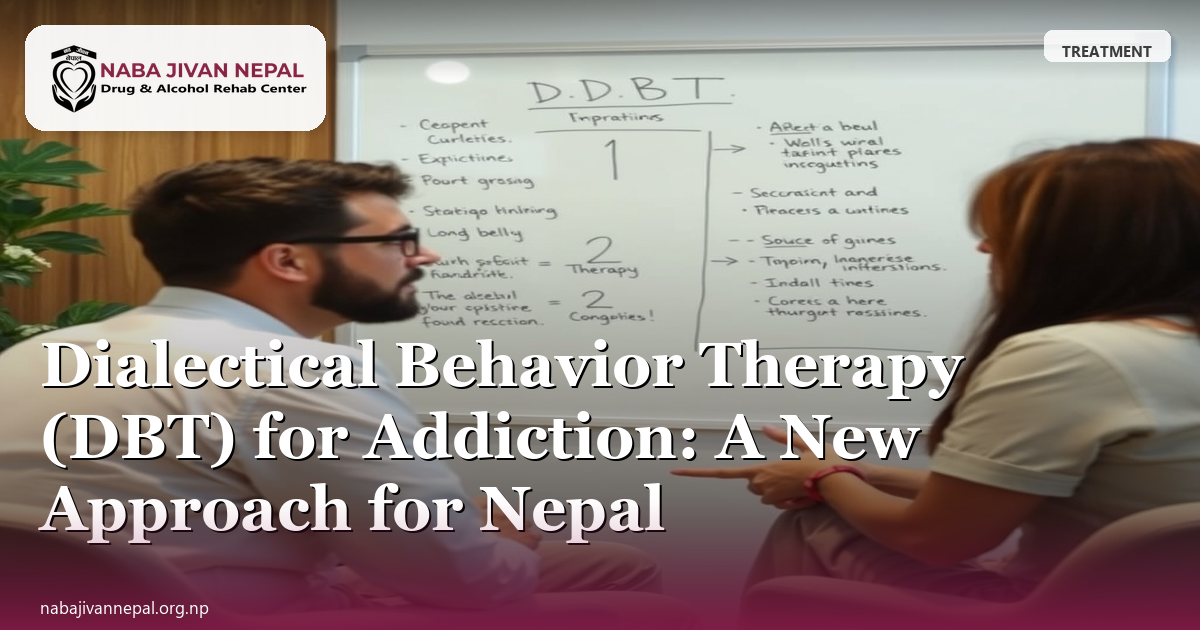
<>Dialectical Behavior Therapy (DBT) for Addiction: A New Approach for Nepal
In Nepal, the rising tide of addiction has become a crippling concern, affecting not only individuals but also their families and communities. According to a recent study, over 2 million people in Nepal struggle with substance abuse, with the majority being young adults between the ages of 18 and 30. The consequences of addiction are far-reaching, from compromised mental and physical health to economic instability and social isolation. In this tumultuous landscape, a beacon of hope emerges in the form of Dialectical Behavior Therapy (DBT), a revolutionary approach to addiction treatment that is gaining traction in Nepal.
Understanding DBT: A Therapeutic Approach to Emotion Regulation
DBT is a type of psychotherapy developed by Marsha Linehan, specifically designed to help individuals manage their emotions, tolerate distress, and develop a sense of self-awareness. This approach combines cognitive-behavioral techniques with mindfulness practices to create a unique therapeutic framework. DBT is particularly effective in treating individuals with borderline personality disorder, post-traumatic stress disorder (PTSD), and substance use disorders. By teaching individuals how to regulate their emotions, DBT empowers them to make informed choices, develop healthy coping mechanisms, and cultivate a more positive relationship with themselves.
The Importance of Emotion Regulation in Addiction Recovery
Emotion regulation is a critical component of addiction recovery, as individuals often turn to substances as a means of coping with overwhelming emotions. DBT helps individuals develop a range of skills to manage their emotions, including mindfulness, distress tolerance, and emotional regulation. By learning to recognize and manage their emotions, individuals can break the cycle of addiction and develop a more resilient sense of self. In Nepal, where cultural and social pressures can exacerbate emotional distress, DBT offers a valuable tool for individuals seeking to overcome addiction and achieve long-term recovery.
Nepal-Specific Context: Addressing the Unique Challenges of Addiction in Nepal
In Nepal, addiction is often stigmatized, and individuals struggling with substance abuse may face significant social and cultural barriers to seeking help. DBT offers a culturally sensitive approach to addiction treatment, one that acknowledges the unique challenges faced by individuals in Nepal. By working with a trained DBT therapist, individuals can develop a deeper understanding of their addiction, identify the underlying causes of their substance use, and develop a personalized recovery plan. In addition, DBT can be adapted to address the specific needs of individuals in Nepal, including those affected by poverty, trauma, and social isolation.
Breaking the Stigma: Seeking Help for Addiction in Nepal
Seeking help for addiction in Nepal can be a daunting task, often made more difficult by the stigma surrounding substance abuse. However, with the rise of DBT, individuals can now access a range of treatment options that prioritize their well-being and dignity. At Naba Jivan Nepal, our team of experienced therapists offers DBT and other evidence-based therapies to individuals struggling with addiction. By seeking help at Naba Jivan Nepal, individuals can break the cycle of addiction, develop a more positive relationship with themselves, and achieve long-term recovery. If you or someone you know is struggling with addiction, please don’t hesitate to reach out to us at +9779864899917.
Integrating DBT with Traditional Therapies: A Holistic Approach to Addiction Recovery
At Naba Jivan Nepal, we believe that a comprehensive approach to addiction recovery is essential for long-term success. That’s why we integrate DBT with traditional therapies, such as cognitive-behavioral therapy (CBT) and mindfulness-based stress reduction (MBSR). This holistic approach helps individuals develop coping skills, manage emotions, and build a strong support network.
By combining DBT with traditional therapies, we can address the complex needs of individuals struggling with addiction. Our team of experienced therapists works closely with clients to develop personalized treatment plans that incorporate DBT skills, such as:
*
- Distress tolerance: learning to manage overwhelming emotions and situations
- Emotion regulation: developing skills to recognize, understand, and manage emotions
- Interpersonal effectiveness: improving communication and relationships with others
- Mindfulness: cultivating present-moment awareness and acceptance
By incorporating DBT into our treatment programs, we can help individuals develop the skills and strategies needed to maintain long-term recovery.
Nepal-Specific DBT Programs: Addressing Cultural and Social Factors
At Naba Jivan Nepal, we recognize the unique cultural and social factors that contribute to addiction in Nepal. Our DBT programs are designed to address these factors and provide a culturally sensitive approach to treatment.
Our Nepal-specific DBT programs include:
*
- Cultural sensitivity training: educating clients about the cultural and social factors that contribute to addiction in Nepal
- Family therapy: involving family members in the treatment process to address relationship dynamics and support recovery
- Community-based interventions: working with community leaders and organizations to promote recovery and reduce stigma
By addressing the cultural and social factors that contribute to addiction in Nepal, we can provide a more effective andculturally sensitive approach to treatment.
DBT for Specific Populations: Working with Women, Youth, and Marginalized GroupsDBT for Specific Populations: Working with Women, Youth, and Marginalized Groups
At Naba Jivan Nepal, we recognize the unique needs and challenges faced by specific populations, including women, youth, and marginalized groups. Our DBT programs are designed to address these needs and provide a safe and supportive environment for individuals to recover from addiction.
**DBT for Women:**
* Our DBT programs for women address the unique challenges faced by women in recovery, including:
+
- Emotional regulation: developing skills to manage emotions and reduce stress
- Interpersonal effectiveness: improving communication and relationships with others
- Self-care: promoting self-care and self-compassion
* Our women’s DBT programs also address the impact of trauma and abuse on women’s lives, providing a safe and supportive environment for healing and recovery.
**DBT for Youth:**
* Our DBT programs for youth address the unique challenges faced by young people in recovery, including:
+
- Emotion regulation: developing skills to manage emotions and reduce stress
- Interpersonal effectiveness: improving communication and relationships with others
- Academic and vocational support: providing support for academic and vocational goals
* Our youth DBT programs also address the impact of social media and technology on young people’s lives, providing education and support for healthy online behaviors.
**DBT for Marginalized Groups:**
* Our DBT programs for marginalized groups address the unique challenges faced by individuals from diverse backgrounds, including:
+
- Cultural sensitivity training: educating clients about the cultural and social factors that contribute to addiction in their community
- Language support: providing language support for clients who speak languages other than Nepali
- Community-based interventions: working with community leaders and organizations to promote recovery and reduce stigma
* Our marginalized groups DBT programs also address the impact of systemic barriers and oppression on individuals’ lives, providing a safe and supportive environment for healing and recovery.
FAQs
Q: What is DBT, and how does it work?
DBT is a type of therapy that helps individuals develop skills to manage emotions, behaviors, and relationships. It combines cognitive-behavioral techniques with mindfulness and acceptance-based strategies to promote long-term recovery.
Q: Is DBT effective for addiction recovery?
Yes, DBT has been shown to be effective in reducing symptoms of addiction and improving overall well-being. Studies have demonstrated that DBT can reduce substance use, improve emotional regulation, and enhance interpersonal relationships.
Q: Can I do DBT on my own, or do I need to work with a therapist?
While it’s possible to learn DBT skills on your own, working with a trained therapist can provide a safe and supportive environment for learning and practicing these skills. A therapist can also help you develop a personalized treatment plan and provide ongoing support and guidance.
Q: How long does DBT treatment typically last?
DBT treatment can last anywhere from a few months to a year or more, depending on the individual’s needs and goals. Some people may require more intensive treatment, while others may benefit from less frequent sessions.
Q: Is DBT covered by insurance?
Yes, DBT is often covered by insurance, including Medicaid and private insurance plans. However, coverage may vary depending on the specific plan and provider. It’s best to check with your insurance provider to determine coverage and any out-of-pocket costs.
Conclusion
DBT is a powerful tool for addiction recovery, providing individuals with the skills and strategies needed to manage emotions, behaviors, and relationships. At Naba Jivan Nepal, we offer comprehensive DBT programs that address the unique needs and challenges faced by individuals in recovery. Our team of experienced therapists works closely with clients to develop personalized treatment plans that incorporate DBT skills, such as distress tolerance, emotion regulation, interpersonal effectiveness, and mindfulness.
If you or someone you know is struggling with addiction, we encourage you to reach out to us for a free, confidential consultation. Call Naba Jivan Nepal today at +9779864899917 for a free, confidential consultation.