<>Trauma-Informed Care in Nepal’s Rehab Centers: Why It Matters
Trauma is a significant concern in Nepal, where natural disasters, conflict, and social issues have left a lasting impact on the population. According to a study by the World Health Organization (WHO), approximately 25% of the Nepalese population has experienced some form of trauma. This can lead to a range of mental health issues, including anxiety, depression, and substance abuse. In this context, trauma-informed care (TIC) has become a crucial aspect of rehabilitation centers in Nepal, including Naba Jivan Nepal in Pokhara.
Understanding Trauma-Informed Care
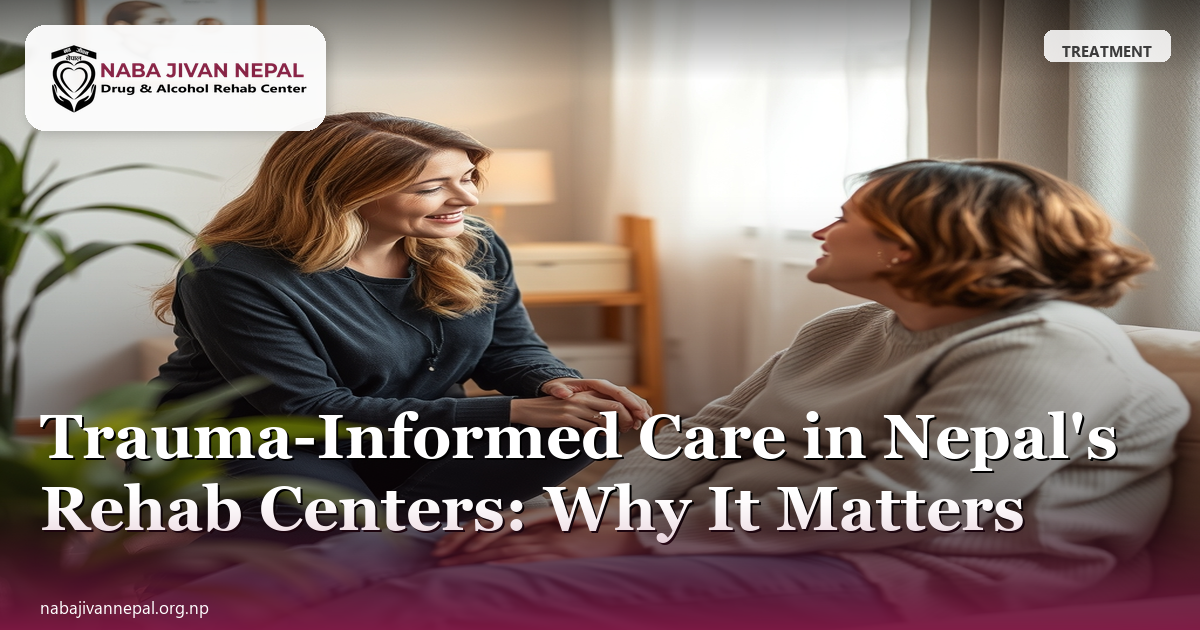
Trauma-informed care is an approach that acknowledges the impact of trauma on an individual’s life and provides a safe and supportive environment for healing. It is based on the understanding that trauma can affect a person’s physical, emotional, and psychological well-being, and that recovery requires a comprehensive and compassionate approach. TIC involves creating a trauma-sensitive environment, where lists of triggers and safety plans are developed to ensure the individual’s comfort and security.
In Nepal, where cultural and social norms often emphasize the importance of family and community, TIC can be particularly effective in addressing the complex needs of individuals who have experienced trauma. By acknowledging the interconnectedness of individual and community experiences, TIC can help individuals connect with their support networks and build resilience.
The Importance of Cultural Sensitivity in TIC
Cultural sensitivity is a critical aspect of TIC, particularly in a country like Nepal where cultural norms and values play a significant role in shaping individual experiences. In Nepal, for example, the concept of “namaste” (a greeting that acknowledges the divine in the other person) is deeply ingrained in the culture. By incorporating this concept into TIC, therapists can create a safe and respectful environment that acknowledges the individual’s cultural identity.
In addition, cultural sensitivity can help therapists address the specific needs of individuals from diverse backgrounds. For example, in Nepal, women may face unique challenges related to trauma, including sexism and patriarchal norms. By acknowledging these challenges, therapists can provide targeted support and create a safe space for women to share their experiences.
Addressing the Needs of Marginalized Communities
In Nepal, marginalized communities, including Dalits and women, are disproportionately affected by trauma. According to a study by the Nepal National Dalit Social Welfare Organization, Dalits are more likely to experience trauma due to social exclusion and marginalization. Similarly, women are more likely to experience trauma due to sexism and patriarchal norms.
In this context, TIC can play a critical role in addressing the needs of marginalized communities. By acknowledging the unique challenges faced by these communities, therapists can create a safe and supportive environment that addresses their specific needs. This can involve providing targeted support, such as counseling and advocacy, to help individuals overcome trauma and build resilience.
Professional Help is Available
If you or someone you know is struggling with trauma or substance abuse, professional help is available at Naba Jivan Nepal in Pokhara. Our team of experienced therapists and counselors provides a safe and supportive environment for healing and recovery. Contact us at +9779864899917 to learn more about our services and how we can support you on your journey to recovery.
Creating a Safe and Supportive Environment
Creating a safe and supportive environment is a critical aspect of TIC. This involves providing a physical space that is free from triggers and stressors, as well as a emotional environment that is supportive and non-judgmental. In Nepal, where cultural and social norms often emphasize the importance of family and community, creating a safe and supportive environment can be particularly challenging.
However, by incorporating TIC principles into our work, we can create a safe and supportive environment that acknowledges the complex needs of individuals who have experienced trauma. This can involve providing a range of services, including counseling, advocacy, and support groups, to help individuals build resilience and overcome trauma.
Building Resilience and Overcoming Trauma
Building resilience and overcoming trauma requires a comprehensive and compassionate approach. TIC can play a critical role in this process by providing a safe and supportive environment for healing and recovery. By acknowledging the interconnectedness of individual and community experiences, TIC can help individuals connect with their support networks and build resilience.
In Nepal, where cultural and social norms often emphasize the importance of family and community, building resilience and overcoming trauma can be particularly challenging. However, by incorporating TIC principles into our work, we can create a safe and supportive environment that acknowledges the complex needs of individuals who have experienced trauma.
We will continue with the rest of the blog post in part 2.
Empowering Survivors through Education and Awareness
At Naba Jivan Nepal, we believe that education and awareness are crucial components of trauma-informed care. This is why we offer regular workshops and training sessions for our staff, as well as for the local community. These sessions focus on the effects of trauma, the importance of cultural sensitivity, and the role of trauma-informed care in recovery. By empowering survivors with knowledge and understanding, we can help them take control of their lives and make informed decisions about their care.
Our workshops are designed to be interactive and engaging, using a combination of lectures, group discussions, and hands-on activities. We believe that by sharing our knowledge and expertise, we can create a ripple effect of positive change in the community. Whether you’re a survivor, a family member, or a healthcare professional, our workshops are an excellent way to learn more about trauma-informed care and how it can benefit you.
Integrating Traditional and Modern Therapies
Naba Jivan Nepal is committed to providing a holistic approach to trauma-informed care. We believe that traditional therapies, such as yoga and meditation, can be incredibly effective in promoting healing and recovery. That’s why we offer a range of traditional and modern therapies, tailored to meet the unique needs of each individual.
Our therapists are trained in a variety of techniques, including cognitive-behavioral therapy (CBT), dialectical behavior therapy (DBT), and eye movement desensitization and reprocessing (EMDR). We also offer art therapy, music therapy, and equine-assisted therapy, among others. By integrating traditional and modern therapies, we can create a comprehensive treatment plan that addresses the physical, emotional, and spiritual needs of each individual.
Addressing the Needs of Children and Families
At Naba Jivan Nepal, we recognize the importance of addressing the needs of children and families affected by trauma. That’s why we offer a range of services specifically designed for children and families, including individual and group therapy, family therapy, and play therapy.
Our child and family services are led by experienced therapists who specialize in working with children and families. We use a variety of evidence-based therapies, including trauma-focused CBT and attachment-based therapies. Our goal is to provide a safe and supportive environment where children and families can heal and grow together.
Collaborating with Local Organizations and Healthcare Providers
Naba Jivan Nepal is committed to collaborating with local organizations and healthcare providers to provide comprehensive care to survivors of trauma. We believe that by working together, we can create a network of support that addresses the complex needs of survivors.
We partner with local organizations, such as the Nepal Red Cross Society and the Ministry of Health, to provide training and education on trauma-informed care. We also work with healthcare providers to ensure that survivors receive seamless care and support throughout their recovery journey.
FAQs
- Q: What is trauma-informed care?
A: Trauma-informed care is an approach to care that recognizes the impact of trauma on an individual’s life and provides a safe and supportive environment for healing and recovery.
- Q: What services do you offer at Naba Jivan Nepal?
A: We offer a range of services, including individual and group therapy, family therapy, play therapy, and art therapy, among others.
- Q: Do you offer services for children and families?
A: Yes, we offer a range of services specifically designed for children and families, including individual and group therapy, family therapy, and play therapy.
- Q: Do you accept insurance?
A: Yes, we accept a range of insurance providers, including Nepal’s national health insurance program.
- Q: How can I get in touch with Naba Jivan Nepal?
A: You can contact us by phone at +9779864899917 or by email at [[email protected]](mailto:[email protected]).
Conclusion
Naba Jivan Nepal is committed to providing comprehensive trauma-informed care to survivors of trauma in Nepal. Our team of experienced therapists and support staff are dedicated to creating a safe and supportive environment for healing and recovery. Whether you’re a survivor, a family member, or a healthcare professional, we invite you to learn more about our services and how we can support you on your journey towards healing and recovery.
Call to Action
Don’t wait any longer to seek help. Call Naba Jivan Nepal today at < href="tel:+9779864899917">+9779864899917 for a free, confidential consultation.