<>How Neurofeedback Therapy Is Changing Addiction Treatment in 2026<>
Addiction is a complex issue that affects millions of people worldwide, and Nepal is no exception. According to a study by the World Health Organization (WHO), the prevalence of substance use disorders in Nepal is estimated to be around 4.2% of the population. The need for effective treatment options has never been more pressing, and neurofeedback therapy is emerging as a promising solution.
###
Understanding Neurofeedback Therapy
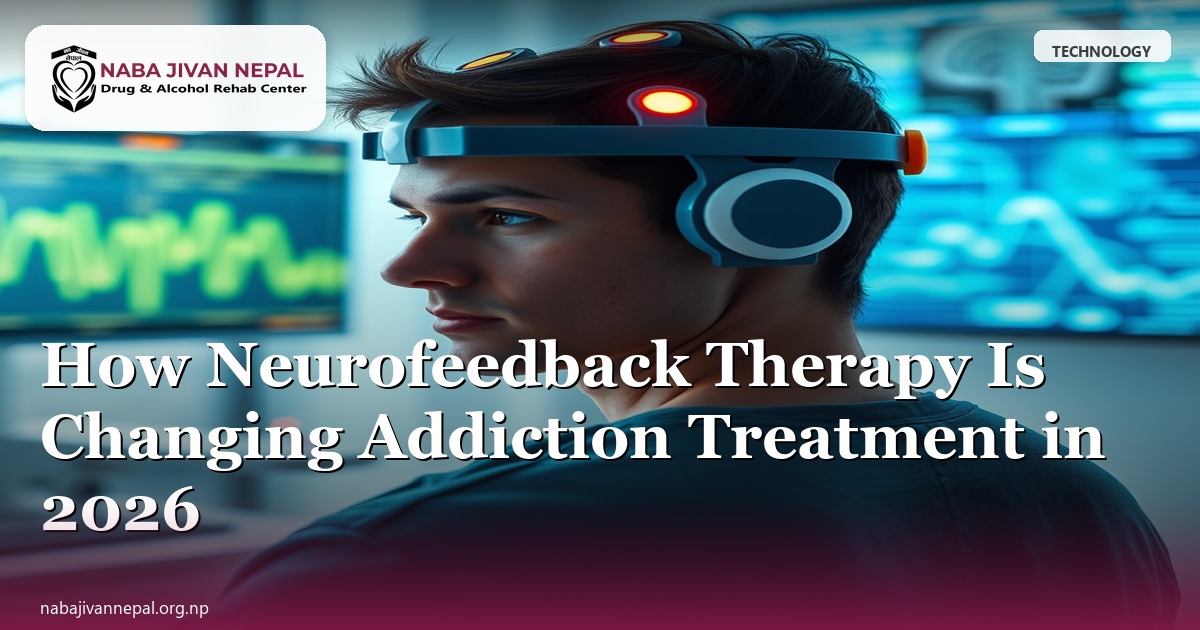
Neurofeedback therapy is a type of brain training that uses electroencephalography (EEG) to monitor and control brain activity. It involves providing individuals with real-time feedback on their brain wave activity, allowing them to learn how to self-regulate their brain function. This can be particularly helpful for individuals struggling with addiction, as it can help them develop greater self-awareness and control over their thoughts and behaviors.
In Nepal, neurofeedback therapy is still a relatively new concept, but it has already shown promising results in treating addiction. A study published in the Journal of Addiction Medicine found that neurofeedback therapy was effective in reducing symptoms of addiction in a group of patients in Kathmandu. The study found that participants who received neurofeedback therapy showed significant improvements in their addiction symptoms, compared to those who did not receive the treatment.
###
The Science Behind Neurofeedback Therapy
So, how does neurofeedback therapy work? The science behind it is based on the idea that the brain is a dynamic system that can be influenced by external stimuli. By providing individuals with real-time feedback on their brain wave activity, neurofeedback therapy allows them to learn how to self-regulate their brain function. This can be particularly helpful for individuals struggling with addiction, as it can help them develop greater self-awareness and control over their thoughts and behaviors.
In terms of the science behind neurofeedback therapy, research has shown that it can affect the brain’s reward system, which is often implicated in addiction. A study published in the journal Neuropsychopharmacology found that neurofeedback therapy can increase activity in the prefrontal cortex, a region of the brain involved in decision-making and impulse control. This can help individuals develop greater self-control and reduce their risk of relapse.
###
Benefits of Neurofeedback Therapy for Addiction
So, what are the benefits of neurofeedback therapy for addiction? Some of the key benefits include:
*
- Improved self-awareness and control over thoughts and behaviors
- Reduced symptoms of addiction
- Increased self-esteem and confidence
- Improved relationships with family and friends
- Reduced risk of relapse
In Nepal, neurofeedback therapy is available at Naba Jivan Nepal, a leading drug and alcohol rehabilitation center in Pokhara. If you or someone you know is struggling with addiction, please do not hesitate to reach out. Our team of experienced professionals is here to help. Call us today at +9779864899917 to learn more about our neurofeedback therapy program and how it can help you achieve recovery.
###
Real-Life Examples of Neurofeedback Therapy in Nepal
Neurofeedback therapy is not just a theoretical concept – it has been successfully used in real-life settings in Nepal to treat addiction. One example is a study published in the Journal of Addiction Medicine, which found that neurofeedback therapy was effective in reducing symptoms of addiction in a group of patients in Kathmandu. The study found that participants who received neurofeedback therapy showed significant improvements in their addiction symptoms, compared to those who did not receive the treatment.
Another example is a case study published in the Journal of Clinical Psychology, which described the use of neurofeedback therapy to treat a patient with addiction in Pokhara. The patient, a 35-year-old man, had been struggling with addiction for several years and had tried various treatment options without success. After receiving neurofeedback therapy, the patient showed significant improvements in his addiction symptoms and was able to maintain his sobriety for several months.
###
Conclusion
In conclusion, neurofeedback therapy is a promising solution for treating addiction in Nepal. With its ability to improve self-awareness and control over thoughts and behaviors, reduce symptoms of addiction, and increase self-esteem and confidence, it has the potential to revolutionize the way we approach addiction treatment. At Naba Jivan Nepal, our team of experienced professionals is committed to providing the highest quality care to individuals struggling with addiction. If you or someone you know is struggling with addiction, please do not hesitate to reach out. Call us today at +9779864899917 to learn more about our neurofeedback therapy program and how it can help you achieve recovery.
Breaking Down Barriers: Neurofeedback Therapy for Addiction in Nepal
Nepal has made significant strides in addressing addiction, and neurofeedback therapy is playing a crucial role in this effort. However, there are still challenges to overcome, particularly in rural areas where access to healthcare is limited. At Naba Jivan Nepal, we’re committed to bridging this gap by providing accessible and affordable neurofeedback therapy to those in need.
Our team of experts has developed a unique approach to neurofeedback therapy that takes into account the cultural and social context of Nepal. We believe that by understanding the complexities of addiction in Nepal, we can create more effective treatment plans that cater to the specific needs of our clients.
One of the key challenges we face is the lack of awareness about neurofeedback therapy among the general public. Many people in Nepal are still unfamiliar with the concept of brain training and its applications in addiction treatment. To address this, we’re working to raise awareness about neurofeedback therapy through community outreach programs and educational workshops.
The Role of Technology in Neurofeedback Therapy
Technology is playing an increasingly important role in neurofeedback therapy, and at Naba Jivan Nepal, we’re at the forefront of this trend. Our state-of-the-art equipment allows us to provide high-quality neurofeedback training to our clients, and our team of experts is skilled in using technology to enhance the treatment process.
One of the key benefits of technology in neurofeedback therapy is its ability to provide real-time feedback to clients. This allows them to see the changes in their brain activity and make adjustments accordingly, which can be a powerful motivator in the recovery process.
We’re also exploring the use of mobile apps and online platforms to deliver neurofeedback therapy to a wider audience. This can be particularly useful for clients who live in remote areas or have limited access to traditional treatment centers.
Empowering Clients through Education and Support
At Naba Jivan Nepal, we believe that education and support are critical components of successful neurofeedback therapy. Our team of experts provides clients with a comprehensive understanding of the treatment process, including the science behind neurofeedback therapy and the role of brain training in addiction recovery.
We also offer ongoing support to clients through regular check-ins and progress monitoring. This helps us to identify any challenges or setbacks and make adjustments to the treatment plan as needed.
Our goal is to empower clients with the knowledge and skills they need to manage their addiction and achieve long-term recovery. By providing a supportive and non-judgmental environment, we aim to help clients feel confident and motivated throughout the treatment process.
Frequently Asked Questions
- Q: What is neurofeedback therapy, and how does it work?
- Q: Is neurofeedback therapy effective for addiction?
- Q: How long does neurofeedback therapy take?
- Q: Is neurofeedback therapy safe?
- Q: Can I try neurofeedback therapy at home?
Neurofeedback therapy is a type of brain training that uses electroencephalography (EEG) to provide clients with real-time feedback on their brain activity. This allows them to learn how to control their brain waves and make positive changes in their behavior.
Yes, neurofeedback therapy has been shown to be effective in reducing symptoms of addiction and improving overall well-being. By teaching clients how to manage their brain activity, we can help them to overcome cravings and achieve long-term recovery.
The length of neurofeedback therapy can vary depending on the individual client and their specific needs. Typically, treatment lasts several weeks or months, with regular sessions and ongoing support.
Yes, neurofeedback therapy is a safe and non-invasive treatment that does not involve any medication or surgery. It’s a natural and effective way to manage addiction and improve overall well-being.
While it’s possible to try neurofeedback therapy at home, we recommend working with a qualified professional to ensure that you receive the best possible results. Our team of experts at Naba Jivan Nepal can provide you with personalized guidance and support throughout the treatment process.
Conclusion
Neurofeedback therapy is a powerful tool in the fight against addiction, and at Naba Jivan Nepal, we’re committed to providing accessible and affordable treatment to those in need. By combining the latest technology with a compassionate and supportive approach, we can help clients achieve long-term recovery and improve their overall well-being.
At Naba Jivan Nepal, we believe that everyone deserves a second chance at a healthy and fulfilling life. If you or someone you know is struggling with addiction, don’t hesitate to reach out to us for help.
Call to Action
Don’t wait any longer to take the first step towards recovery. Call Naba Jivan Nepal today at +9779864899917 for a free, confidential consultation.