<>Why Nepal Has a Drinking Problem: The Cultural Roots of Alcohol Addiction<>
Nepal, a country nestled in the Himalayas, is known for its stunning natural beauty and rich cultural heritage. However, beneath the surface of this picturesque nation lies a complex and concerning issue – a drinking problem that affects a significant portion of its population. In this blog post, we will delve into the cultural roots of alcohol addiction in Nepal, exploring the historical, social, and economic factors that contribute to this issue.
###
The Historical Context of Drinking in Nepal
Nepal’s drinking culture has its roots in the country’s ancient history. The use of alcohol dates back to the Licchavi period (300-750 AD), where it was consumed during rituals and ceremonies. However, it was during the Malla period (1200-1769 AD) that drinking became more widespread, particularly among the aristocracy. The introduction of new crops, such as sugarcane and grapes, made it easier to produce and consume alcohol. This historical context has laid the foundation for Nepal’s drinking culture, which has evolved over time but remains deeply ingrained in the country’s social fabric.
###
The Role of Social and Cultural Norms
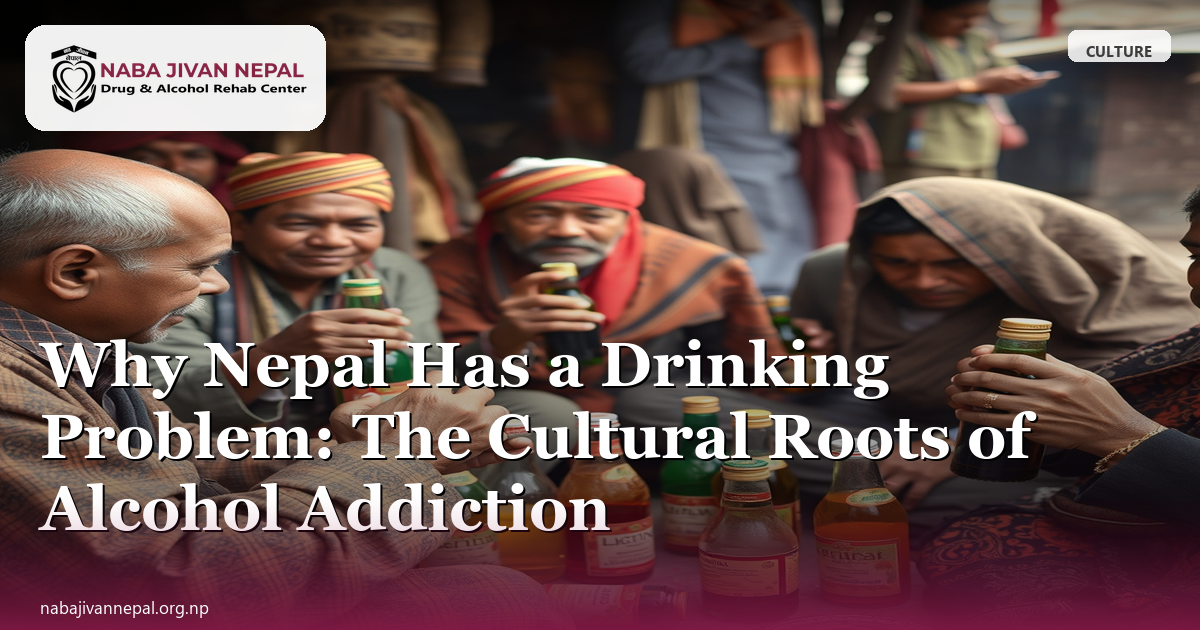
In Nepal, drinking is often seen as a social activity, particularly during festivals and celebrations. The country’s cultural norms emphasize the importance of hospitality, and offering drinks to guests is a sign of respect and generosity. However, this cultural expectation can lead to excessive drinking, particularly among men. A survey conducted by the World Health Organization (WHO) found that 71% of men in Nepal reported drinking at least once a week, compared to 35% of women. This disparity highlights the need for a more nuanced understanding of Nepal’s drinking culture and the role of social and cultural norms in perpetuating it.
###
The Economic Factors Contributing to Drinking
Nepal’s economic situation has a significant impact on its drinking culture. The country’s poverty rate is estimated to be around 25%, and many people rely on informal employment or small-scale agriculture to make ends meet. Drinking is often seen as a way to cope with stress and financial difficulties. A study by the Nepal Health Research Council found that 60% of respondents reported drinking as a way to relax, while 40% reported drinking to cope with financial problems. This economic context highlights the need for a more comprehensive approach to addressing Nepal’s drinking problem, one that takes into account the country’s economic and social challenges.
###
The Impact of Globalization on Nepal’s Drinking Culture
Globalization has had a significant impact on Nepal’s drinking culture, particularly in terms of the availability and marketing of alcohol. The country’s borders have become more porous, allowing for the importation of cheap and high-strength liquor from neighboring countries. This has led to an increase in the number of bars and restaurants serving alcohol, particularly in urban areas. A survey by the Nepal Tourism Board found that 70% of tourists reported drinking during their visit to Nepal, highlighting the country’s growing reputation as a destination for partygoers. However, this increased availability of alcohol has also contributed to an increase in drinking-related problems, including road accidents, violence, and health issues.
###
Seeking Help at Naba Jivan Nepal
If you or someone you know is struggling with a drinking problem, help is available at Naba Jivan Nepal, a leading drug and alcohol rehabilitation center in Pokhara. Our team of experienced professionals provides comprehensive treatment and support to individuals struggling with addiction. Contact us today at +9779864899917 to learn more about our services and how we can help you or your loved one overcome addiction and achieve a healthier, happier life.
The Impact of Social Media on Drinking Culture in Nepal
In today’s digital age, social media has become an integral part of our lives. In Nepal, social media platforms like Facebook, Instagram, and YouTube have created a culture of instant gratification and constant connectivity. This has led to a rise in social media influencers and celebrities promoting alcohol as a way to enhance their online presence and attract followers. As a result, young people in Nepal are increasingly exposed to alcohol-related content and are more likely to engage in drinking behaviors.
Moreover, social media platforms often create a sense of FOMO (fear of missing out) among users, leading them to feel pressure to participate in social events and activities that involve drinking. This can be particularly problematic for young people who are already vulnerable to peer pressure and social influences.
To mitigate the impact of social media on drinking culture in Nepal, it’s essential to promote responsible social media practices and encourage influencers and celebrities to promote positive and healthy behaviors. Parents and caregivers can also play a crucial role by monitoring their children’s social media activity and engaging in open and honest conversations about the risks associated with drinking.
The Role of Traditional Medicine in Addressing Alcohol Addiction
In Nepal, traditional medicine has a long history of being used to treat various health conditions, including addiction. Ayurvedic and Unani medicine, in particular, offer a range of natural remedies and therapies that can help address the physical and emotional symptoms of alcohol addiction.
Some of the traditional medicines used to treat alcohol addiction in Nepal include:
- Ayurvedic herbs like Ashwagandha and Brahmi, which are believed to have calming and anti-anxiety effects
- Unani medicines like Afzal and Khus, which are used to treat withdrawal symptoms and promote relaxation
- Traditional therapies like yoga and meditation, which can help reduce stress and anxiety
While traditional medicine can be a useful adjunct to conventional treatment, it’s essential to consult with a qualified healthcare professional before using any traditional remedies or therapies.
Addressing the Root Causes of Drinking in Nepal
As we’ve discussed earlier, drinking in Nepal is often linked to social and cultural norms, economic factors, and social media influences. However, it’s also essential to address the root causes of drinking, including:
- Stress and anxiety: Many people in Nepal turn to drinking as a way to cope with stress and anxiety. This can be due to various factors, including work-related pressures, financial struggles, or personal relationships issues.
- Lack of mental health support: Nepal has a shortage of mental health professionals and resources, making it difficult for people to access support and treatment for mental health issues.
- Social isolation: Drinking can be a way to socialize and connect with others, particularly in rural areas where social connections are limited.
To address these root causes, it’s essential to promote mental health awareness and support, provide access to mental health resources and services, and encourage social connections and community engagement.
FAQs
Q: What are the signs and symptoms of alcohol addiction in Nepal?
A: Signs and symptoms of alcohol addiction in Nepal may include:
- Increased tolerance to alcohol
- Withdrawal symptoms when not drinking
- Drinking in large quantities or over a long period
- Neglecting responsibilities and relationships due to drinking
- Experiencing blackouts or memory loss
Q: How can I support a loved one who is struggling with alcohol addiction in Nepal?
A: Supporting a loved one with alcohol addiction in Nepal can be challenging, but there are ways to help:
- Encourage them to seek professional help
- Offer emotional support and understanding
- Help them set boundaries and goals
- Encourage them to engage in healthy activities and hobbies
Q: What are the treatment options for alcohol addiction in Nepal?
A: Treatment options for alcohol addiction in Nepal may include:
- Medication-assisted treatment (MAT)
- Counseling and therapy
- Support groups
- Rehabilitation programs
Q: How can I overcome the stigma associated with seeking help for alcohol addiction in Nepal?
A: Overcoming stigma associated with seeking help for alcohol addiction in Nepal requires:
- Education and awareness about addiction
- Open and honest conversations about addiction
- Support from family and friends
- Access to resources and services
Q: What are the long-term consequences of untreated alcohol addiction in Nepal?
A: Untreated alcohol addiction in Nepal can lead to:
- Increased risk of chronic diseases
- Damage to relationships and social connections
- Loss of employment and financial stability
- Increased risk of mental health issues
Conclusion
Alcohol addiction is a complex issue in Nepal, influenced by social, cultural, economic, and environmental factors. While there are many challenges to addressing addiction, there are also many opportunities for prevention, treatment, and recovery. By promoting awareness, education, and support, we can work towards reducing the stigma associated with addiction and providing accessible and effective treatment options for those struggling with addiction.
Call to Action
If you or someone you know is struggling with alcohol addiction in Nepal, please don’t hesitate to reach out for help. Call Naba Jivan Nepal today at +9779864899917 for a free, confidential consultation. Our team of experienced professionals is dedicated to providing compassionate and effective treatment for addiction. Together, we can overcome addiction and achieve a healthier, happier life.