<>The Economic Cost of Addiction in Nepal: How Substance Abuse Drains the Nation’s Economy<>
Nepal, a country known for its breathtaking natural beauty and rich cultural heritage, is grappling with a serious issue that threatens to undermine its economic progress. Substance abuse, a growing concern in the country, is not only affecting individuals and families but also has a significant economic impact on the nation as a whole. The economic cost of addiction in Nepal is a pressing issue that requires immediate attention and action.
Prevalence of Substance Abuse in Nepal
According to a study conducted by the Ministry of Health and Population, Nepal, in 2019, approximately 2.3% of the population aged 15-64 years was using illicit substances. This translates to around 430,000 people in Nepal who are at risk of developing substance use disorders. The most commonly used substances in Nepal are tobacco, alcohol, and cannabis, with a significant proportion of users being young adults.
The prevalence of substance abuse is higher in urban areas, particularly in cities like Kathmandu and Pokhara, where there is easy access to these substances. The economic cost of addiction in Nepal is not limited to individual users but also affects their families, communities, and the broader society.
The economic cost of addiction in Nepal is not limited to individual users but also affects their families, communities, and the broader society. For instance, a study found that families of substance users in Nepal spent an average of NPR 15,000 (approximately USD 120) per month on their loved ones’ addiction, which is a significant burden on their household income.
Economic Impact of Substance Abuse on Nepal’s Economy
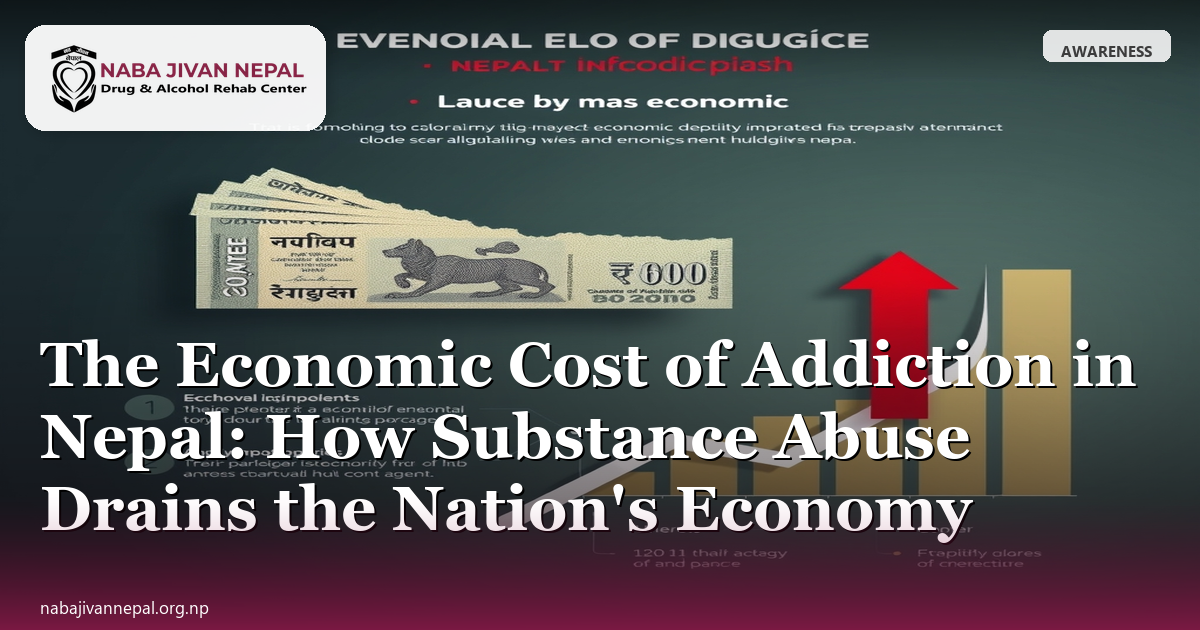
The economic impact of substance abuse on Nepal’s economy is significant and far-reaching. According to a study by the World Health Organization (WHO), the economic cost of substance abuse in Nepal is estimated to be around NPR 120 billion (approximately USD 960 million) per year. This is equivalent to around 2.5% of Nepal’s GDP.
The economic cost of substance abuse in Nepal is not limited to healthcare costs but also includes lost productivity, crime, and law enforcement costs. For instance, a study found that substance users in Nepal were more likely to engage in criminal activities, such as theft and robbery, which adds to the economic burden on the country.
The economic cost of substance abuse in Nepal is not limited to healthcare costs but also includes lost productivity, crime, and law enforcement costs. For instance, a study found that substance users in Nepal were more likely to engage in criminal activities, such as theft and robbery, which adds to the economic burden on the country.
Healthcare Costs of Substance Abuse in Nepal
The healthcare costs of substance abuse in Nepal are significant and are a major contributor to the economic burden on the country. According to a study by the Ministry of Health and Population, Nepal, in 2019, the average cost of treating a substance use disorder in Nepal was around NPR 50,000 (approximately USD 400) per year. This is a significant burden on the country’s healthcare system, particularly in rural areas where resources are limited.
The healthcare costs of substance abuse in Nepal are not limited to treatment costs but also include costs associated with managing withdrawal symptoms, preventing relapse, and providing rehabilitation services. For instance, a study found that the cost of managing withdrawal symptoms in Nepal was around NPR 10,000 (approximately USD 80) per day, which is a significant burden on families and the healthcare system.
The healthcare costs of substance abuse in Nepal are not limited to treatment costs but also include costs associated with managing withdrawal symptoms, preventing relapse, and providing rehabilitation services. For instance, a study found that the cost of managing withdrawal symptoms in Nepal was around NPR 10,000 (approximately USD 80) per day, which is a significant burden on families and the healthcare system.
Seeking Professional Help at Naba Jivan Nepal
If you or someone you know is struggling with substance abuse, there is help available. Naba Jivan Nepal, a leading drug and alcohol rehabilitation center in Pokhara, offers comprehensive treatment programs for individuals struggling with substance use disorders. Our team of experienced professionals provides a safe and supportive environment for individuals to recover from addiction and achieve long-term sobriety.
Contact us today at +9779864899917 to learn more about our treatment programs and services. Our team is committed to helping individuals and families overcome the challenges of substance abuse and achieve a healthier, happier life.
Lost Productivity and Economic Growth
Substance abuse not only affects the individual but also has a ripple effect on the economy. In Nepal, the loss of productivity due to addiction is a significant concern. According to a study, the country loses approximately NPR 1.5 billion (approximately USD 12 million) annually due to substance abuse-related absenteeism and presenteeism (being present but not fully productive). This loss of productivity not only affects the individual’s earning potential but also impacts the country’s economic growth.
Moreover, substance abuse can lead to a decrease in economic growth by reducing the workforce’s productivity, increasing healthcare costs, and decreasing the overall quality of life. In Nepal, where the economy is heavily reliant on remittances and tourism, the impact of substance abuse on the economy can be devastating.
It is essential to address the issue of substance abuse in Nepal to prevent its economic impact. By providing accessible and affordable treatment options, promoting awareness, and supporting individuals struggling with addiction, we can reduce the economic burden of substance abuse and promote economic growth.
Impact on the Workforce and Business
Substance abuse can have a significant impact on the workforce and business in Nepal. According to a study, approximately 20% of employees in Nepal are affected by substance abuse, which can lead to decreased productivity, increased absenteeism, and presenteeism. This can result in significant losses for businesses, particularly in the tourism and hospitality sectors, where the workforce is often young and vulnerable to substance abuse.
Businesses in Nepal can benefit from investing in employee assistance programs (EAPs) that provide support for employees struggling with substance abuse. EAPs can help reduce the economic impact of substance abuse on businesses by providing early intervention, counseling, and treatment options. By investing in EAPs, businesses can promote a healthy and productive workforce, reduce turnover rates, and increase overall efficiency.
In addition to EAPs, businesses can also benefit from promoting a culture of wellness and prevention. By providing education and resources on substance abuse, businesses can help prevent substance abuse among employees and promote a healthy work environment.
Role of Government and Policy
The government of Nepal has a crucial role to play in addressing the issue of substance abuse in the country. According to the National Policy on Narcotics, 2017, the government aims to reduce the prevalence of substance abuse in Nepal to less than 1% by 2025. To achieve this goal, the government has implemented various policies and programs, including the establishment of the National Narcotics Control Centre and the development of a national strategy on substance abuse prevention and treatment.
However, more needs to be done to address the issue of substance abuse in Nepal. The government can benefit from increasing funding for substance abuse prevention and treatment programs, improving access to healthcare services, and promoting awareness about the risks of substance abuse. By working together with civil society organizations, businesses, and individuals, the government can create a comprehensive and effective response to the issue of substance abuse in Nepal.
FAQs
- Q: What is the prevalence of substance abuse in Nepal?
A: According to a study, approximately 2.5% of the population in Nepal is affected by substance abuse.
- Q: What are the economic costs of substance abuse in Nepal?
A: The economic costs of substance abuse in Nepal are estimated to be approximately NPR 1.5 billion (approximately USD 12 million) annually.
- Q: What are the signs and symptoms of substance abuse?
A: The signs and symptoms of substance abuse can include changes in behavior, mood swings, neglect of responsibilities, and increased tolerance to substances.
- Q: How can I get help for substance abuse in Nepal?
A: You can get help for substance abuse in Nepal by contacting Naba Jivan Nepal at +9779864899917 or by visiting their website.
- Q: What is the best way to prevent substance abuse?
A: The best way to prevent substance abuse is through education, awareness, and early intervention. By promoting a culture of wellness and prevention, we can reduce the risk of substance abuse and promote a healthy and productive society.
Conclusion
Substance abuse is a significant concern in Nepal, affecting not only individuals but also the economy and society as a whole. By understanding the economic costs of substance abuse, we can take steps to prevent and address the issue. By promoting awareness, providing accessible and affordable treatment options, and supporting individuals struggling with addiction, we can reduce the economic burden of substance abuse and promote economic growth.
Call to Action
If you or someone you know is struggling with substance abuse, please don’t hesitate to reach out to Naba Jivan Nepal today at +9779864899917 for a free, confidential consultation.