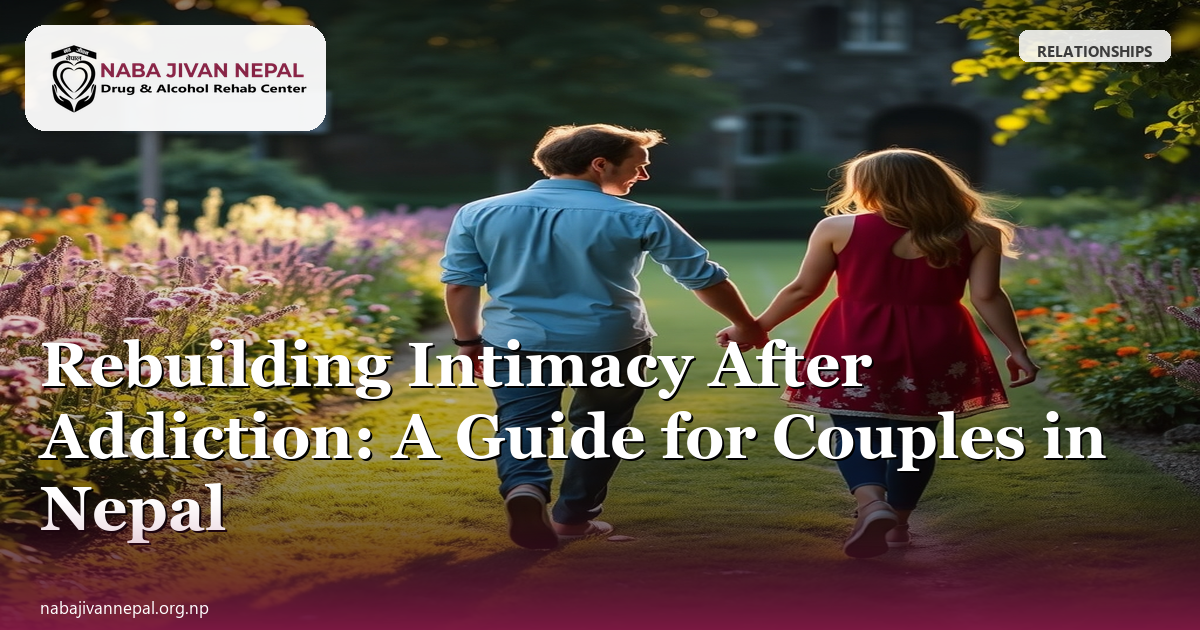
<>Rebuilding Intimacy After Addiction: A Guide for Couples in Nepal
In Nepal, where social stigma around addiction often prevents individuals from seeking help, relationships can suffer greatly. According to a study by the National Center for Addiction Research and Training (NCART), approximately 1 in 5 couples in Nepal experience relationship problems due to addiction. Couples struggling with addiction often find it challenging to maintain intimacy, leading to feelings of isolation, resentment, and disconnection. However, with the right support and guidance, it is possible to rebuild intimacy and strengthen relationships.
Understanding the Impact of Addiction on Intimacy
Addiction can have a profound impact on intimacy in relationships. When one partner struggles with addiction, the other partner may feel:
* Emotionally drained from constantly worrying about the addicted partner’s well-being
* Resentful of the financial burden of supporting the addicted partner’s habits
* Isolated from their partner due to the addicted partner’s increasing withdrawal from social interactions
* Uncertain about how to communicate effectively with their partner about their addiction
In Nepal, where cultural norms often emphasize family and social harmony, the impact of addiction on intimacy can be particularly challenging to navigate. Couples may feel pressured to maintain a facade of normalcy, even as their relationship suffers.
The Role of Shame and Stigma in Addiction
Shame and stigma surrounding addiction can prevent individuals from seeking help and can exacerbate relationship problems. In Nepal, where addiction is often viewed as a moral failing, individuals may feel ashamed to admit their struggles with addiction. This shame can lead to:
* Denial of the problem, making it harder to seek help
* Isolation from friends and family, who may not understand the addict’s struggles
* Increased feelings of guilt and self-blame, which can further erode intimacy in relationships
Couples in Nepal must navigate these complex issues while also dealing with the practical challenges of addiction, such as financial struggles and relationship conflicts.
Seeking Help at Naba Jivan NepalBreaking the Cycle of Addiction and Rebuilding Intimacy
Breaking the cycle of addiction requires a comprehensive approach that addresses the physical, emotional, and spiritual aspects of addiction. At Naba Jivan Nepal, our team of experienced professionals offers a range of services to support individuals and couples struggling with addiction.
Our rehabilitation center in Pokhara provides a safe and supportive environment for individuals to:
* Detox from substances and address underlying physical health issues
* Engage in individual and group therapy to address emotional and psychological issues
* Develop coping skills and strategies to manage cravings and avoid relapse
* Rebuild intimacy and strengthen relationships through couples therapy and counseling
Our team at Naba Jivan Nepal understands the unique challenges faced by couples in Nepal and is committed to providing personalized support and guidance. If you or your partner is struggling with addiction, please don’t hesitate to reach out to us for help.
Contact us today at +9779864899917 to learn more about our services and how we can support you on your journey to recovery.
Creating a Supportive Environment for Recovery
Creating a supportive environment for recovery is crucial for individuals and couples struggling with addiction. This can involve:
* Educating family and friends about addiction and its effects
* Encouraging open and honest communication about addiction and recovery
* Providing emotional support and validation for individuals in recovery
* Encouraging participation in support groups and other recovery activities
By creating a supportive environment, individuals and couples can reduce the stigma surrounding addiction and increase their chances of successful recovery.
Rebuilding Intimacy and Strengthening Relationships
Rebuilding intimacy and strengthening relationships requires effort and commitment from both partners. This can involve:
* Communicating openly and honestly about feelings and needs
* Engaging in activities and hobbies together
* Practicing empathy and understanding for each other’s struggles
* Seeking counseling or therapy to address relationship issues
By working together and seeking support, couples can rebuild intimacy and strengthen their relationships, even in the face of addiction.
Rebuilding Trust and Communication in Relationships
Rebuilding intimacy after addiction requires more than just physical closeness. It also involves rebuilding trust and communication in the relationship. This can be a challenging task, especially if the addiction has caused significant harm to the relationship. However, with effort and commitment from both partners, it is possible to rebuild trust and communication.
In Nepal, where social and cultural norms can sometimes make it difficult to discuss sensitive topics like addiction, it’s essential to create a safe and non-judgmental space for communication. This can be achieved by setting clear boundaries, active listening, and empathy. By doing so, couples can work together to rebuild trust and strengthen their relationship.
Here are some practical tips to help rebuild trust and communication in relationships:
- Practice active listening: Make an effort to truly listen to your partner, without interrupting or judging. This can help create a sense of safety and understanding in the relationship.
- Be transparent and honest: Share your thoughts, feelings, and experiences openly and honestly with your partner. This can help build trust and create a sense of mutual understanding.
- Use “I” statements: Instead of blaming or accusing your partner, use “I” statements to express your feelings and needs. This can help prevent defensiveness and promote constructive communication.
- Seek outside help: If you’re struggling to rebuild trust and communication in your relationship, consider seeking outside help from a couples therapist or counselor. This can provide a safe and neutral space for you and your partner to work through your issues.
The Importance of Self-Care in Recovery
Recovery from addiction is not just about rebuilding relationships; it’s also about taking care of oneself. Self-care is essential for maintaining physical, emotional, and mental well-being during the recovery process. By prioritizing self-care, individuals can reduce stress, improve mood, and increase resilience.
In Nepal, where traditional medicine and holistic practices are an integral part of the culture, self-care can be approached in a unique and meaningful way. For example, individuals can incorporate yoga, meditation, or other mindfulness practices into their daily routine to promote relaxation and reduce stress.
Here are some practical tips for prioritizing self-care in recovery:
- Get enough sleep: Aim for 7-8 hours of sleep per night to help regulate mood and reduce stress.
- Exercise regularly: Engage in physical activity that brings you joy, such as walking, running, or yoga, to improve mood and reduce stress.
- Eat a balanced diet: Focus on consuming whole, nutrient-dense foods to support physical and mental health.
- Practice mindfulness: Engage in activities that promote mindfulness, such as meditation or deep breathing, to reduce stress and improve mood.
Navigating Stigma and Shame in Recovery
Recovery from addiction can be a challenging and isolating experience, especially when faced with stigma and shame. In Nepal, where social and cultural norms can sometimes perpetuate stigma and shame, it’s essential to create a safe and supportive environment for individuals in recovery.
Here are some practical tips for navigating stigma and shame in recovery:
- Seek support from loved ones: Share your struggles with trusted friends and family members to create a sense of connection and understanding.
- Join a support group: Connect with others who have experienced similar struggles to create a sense of community and connection.
- Practice self-compassion: Treat yourself with kindness and understanding, just as you would a close friend.
- Seek outside help: If you’re struggling to navigate stigma and shame in recovery, consider seeking outside help from a therapist or counselor.
FAQs
Q: What is the best way to rebuild intimacy after addiction?
A: Rebuilding intimacy after addiction requires effort and commitment from both partners. It’s essential to create a safe and non-judgmental space for communication, practice active listening, and prioritize self-care.
Q: How can I overcome shame and stigma in recovery?
A: Overcoming shame and stigma in recovery requires seeking support from loved ones, joining a support group, practicing self-compassion, and seeking outside help when needed.
Q: What is the importance of self-care in recovery?
A: Self-care is essential for maintaining physical, emotional, and mental well-being during the recovery process. It can help reduce stress, improve mood, and increase resilience.
Q: How can I prioritize self-care in recovery?
A: Prioritizing self-care in recovery involves getting enough sleep, exercising regularly, eating a balanced diet, and practicing mindfulness.
Q: What resources are available for individuals in recovery in Nepal?
A: There are various resources available for individuals in recovery in Nepal, including support groups, counseling services, and holistic practices such as yoga and meditation.
Conclusion
Rebuilding intimacy after addiction requires effort and commitment from both partners. It’s essential to create a safe and non-judgmental space for communication, practice active listening, and prioritize self-care. By doing so, individuals can overcome shame and stigma, improve their mental and physical health, and strengthen their relationships.
Call to Action
If you or someone you know is struggling with addiction, call Naba Jivan Nepal today at +9779864899917 for a free, confidential consultation.