<>How to Handle Triggers and Cravings: A Practical Guide for Nepali Recovery<>
<>Understanding Addiction Triggers in Nepal: A Growing Concern<>
In Nepal, the growing concern of addiction has become a significant issue. According to a study by the Ministry of Health and Population, Nepal, approximately 1.5 million people in Nepal suffer from substance abuse, with the majority being young adults. The statistics are alarming, and it’s essential to understand the triggers that lead to addiction. Triggers are events, people, or situations that can cause a person to crave substances or engage in addictive behaviors. In Nepal, triggers can be as simple as attending a social gathering or being around friends who use substances. Understanding and managing triggers is crucial for individuals struggling with addiction to maintain their sobriety.
<>Recognizing Common Triggers in Nepali Culture<>
In Nepali culture, triggers can be deeply rooted in social norms and expectations. For instance, attending a social gathering or festival can be a trigger for some individuals. The pressure to conform to social norms and the desire to fit in can lead to substance use. Additionally, the stress of daily life, financial struggles, and relationship issues can also serve as triggers. It’s essential to recognize these triggers and develop strategies to manage them. At Naba Jivan Nepal, our team of experts can help you identify your triggers and develop a personalized plan to manage them.
<>The Role of Family and Friends in Triggering Addiction<>
Family and friends can play a significant role in triggering addiction. In Nepal, the close-knit nature of families and social relationships can sometimes lead to enabling behaviors. Enabling behaviors can include making excuses for substance use, providing financial support, or covering up for the individual’s behavior. While the intention may be to help, enabling behaviors can actually perpetuate addiction. It’s essential to recognize the role of family and friends in triggering addiction and develop strategies to support loved ones in recovery.
<>Managing Cravings in Nepal: Techniques and Strategies<>
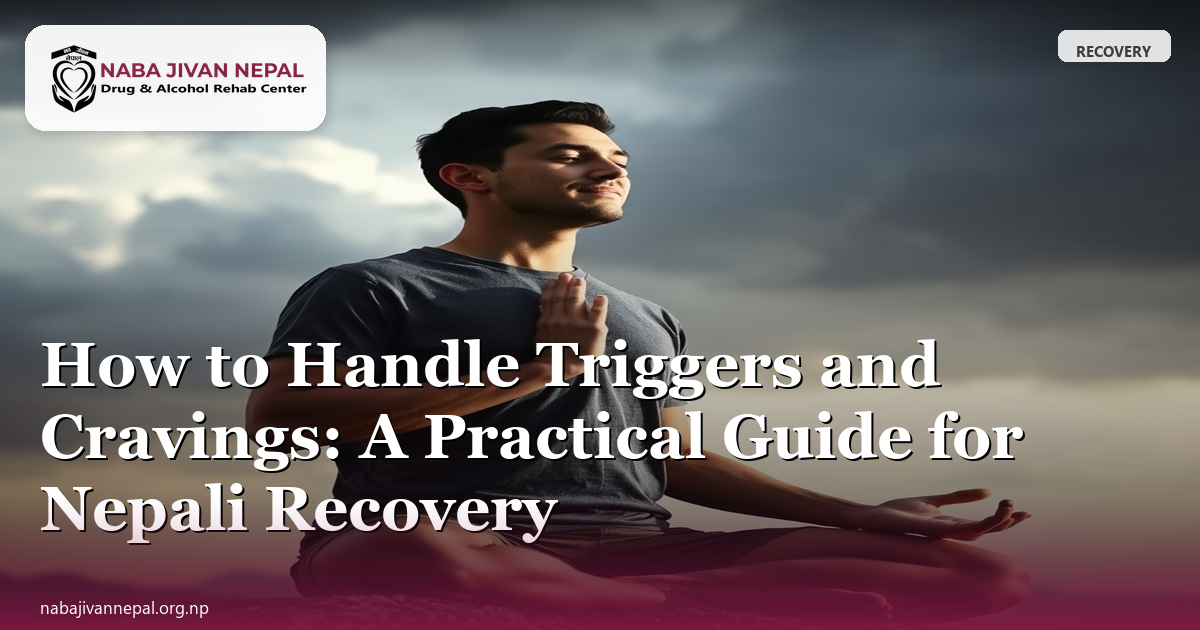
Managing cravings is a crucial aspect of recovery. In Nepal, cravings can be intense and overwhelming, especially in situations where triggers are present. However, there are several techniques and strategies that can help manage cravings. Deep breathing exercises, meditation, and physical activity can help reduce cravings. Additionally, healthy coping mechanisms such as journaling, talking to a friend or family member, or engaging in a hobby can also help manage cravings. At Naba Jivan Nepal, our team of experts can help you develop a personalized plan to manage cravings and stay sober.
<>The Importance of Professional Help in Managing Triggers and Cravings<>
Managing triggers and cravings can be challenging, especially for individuals struggling with addiction. In Nepal, seeking professional help is essential for maintaining sobriety. At Naba Jivan Nepal, our team of experts provides comprehensive treatment programs that address the physical, emotional, and psychological aspects of addiction. Our programs include counseling, therapy, and support groups to help individuals manage triggers and cravings. If you or a loved one is struggling with addiction, don’t hesitate to reach out to us. Call +9779864899917 to learn more about our treatment programs and how we can help you achieve sobriety.
Understanding Different Types of Triggers
Triggers can be people, places, emotions, or situations that remind you of your addiction and make you crave the substance. In Nepal, common triggers include social gatherings, cultural events, and even the smell of certain foods. It’s essential to identify your personal triggers and develop strategies to cope with them.
For example, if you’re a foodie, you might find it challenging to resist the temptation of momos or other Nepali street food. In this case, you could try avoiding areas where these foods are commonly sold or finding healthier alternatives to satisfy your cravings.
At Naba Jivan Nepal, our experienced therapists can help you identify your triggers and develop personalized coping strategies. Don’t let triggers hold you back from achieving sobriety – reach out to us today at +9779864899917 for a free, confidential consultation.
Managing Emotions and Stress
Emotions and stress can be significant triggers for addiction. In Nepal, cultural and social pressures can contribute to feelings of anxiety and stress. It’s essential to develop healthy coping mechanisms to manage these emotions and reduce the risk of relapse.
Some effective strategies include:
- Mindfulness meditation: Regular mindfulness practice can help you stay present and focused, reducing the likelihood of getting caught up in negative thought patterns.
- Exercise: Physical activity can help reduce stress and anxiety by releasing endorphins, also known as “feel-good” hormones.
- Journaling: Writing down your thoughts and emotions can help you process and release them, reducing the risk of relapse.
At Naba Jivan Nepal, our therapists can help you develop healthy coping mechanisms and provide support throughout your recovery journey.
Nepali Cultural Considerations
Culture plays a significant role in shaping our attitudes and behaviors towards addiction. In Nepal, cultural and social pressures can contribute to the stigma surrounding addiction. It’s essential to understand these cultural nuances and develop strategies to overcome them.
For example, in some Nepali communities, substance use is seen as a sign of masculinity or a way to cope with stress. In this case, it’s essential to address these cultural attitudes and develop alternative coping mechanisms.
At Naba Jivan Nepal, our experienced therapists are familiar with Nepali culture and can provide culturally sensitive support throughout your recovery journey.
FAQs
- Q: What are the most common triggers for addiction in Nepal?
A: Common triggers include social gatherings, cultural events, and even the smell of certain foods.
- Q: How can I manage cravings and avoid relapse?
A: Effective strategies include mindfulness meditation, exercise, and journaling.
- Q: Can I still attend cultural events and social gatherings while in recovery?
A: Yes, but it’s essential to develop strategies to cope with triggers and avoid relapse.
- Q: How can I overcome cultural attitudes and stigma surrounding addiction in Nepal?
A: It’s essential to address these cultural attitudes and develop alternative coping mechanisms with the help of a therapist.
- Q: What kind of support can I expect from Naba Jivan Nepal?
A: Our experienced therapists can provide personalized support, guidance, and coping strategies throughout your recovery journey.
Conclusion
A: Common triggers include social gatherings, cultural events, and even the smell of certain foods.
A: Effective strategies include mindfulness meditation, exercise, and journaling.
A: Yes, but it’s essential to develop strategies to cope with triggers and avoid relapse.
A: It’s essential to address these cultural attitudes and develop alternative coping mechanisms with the help of a therapist.
A: Our experienced therapists can provide personalized support, guidance, and coping strategies throughout your recovery journey.
Managing triggers and cravings is a crucial aspect of recovery. By understanding different types of triggers, developing healthy coping mechanisms, and addressing cultural attitudes and stigma, you can overcome addiction and achieve sobriety.
At Naba Jivan Nepal, our experienced therapists are dedicated to providing personalized support and guidance throughout your recovery journey. Don’t let triggers hold you back from achieving your goals – reach out to us today at +9779864899917 for a free, confidential consultation.
Call Naba Jivan Nepal today at +9779864899917 for a free, confidential consultation.