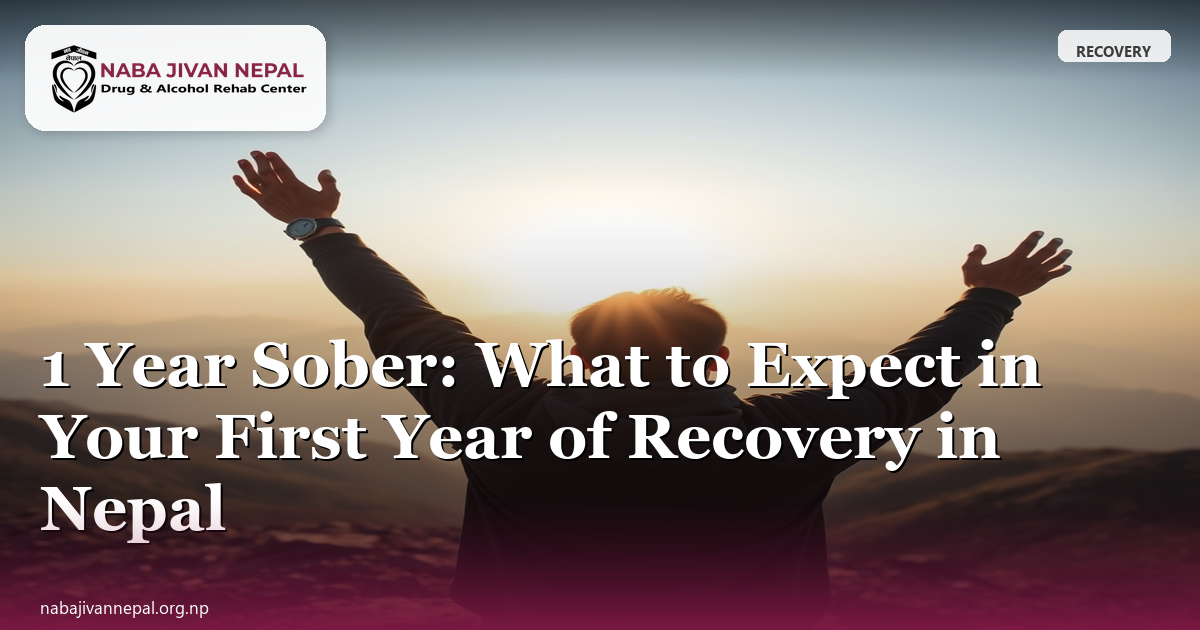
<>1 Year Sober: What to Expect in Your First Year of Recovery in Nepal<>
Recovery from addiction is a long and challenging journey, but the rewards are immeasurable. Reaching one year of sobriety is a significant milestone, marking a year of hard work, dedication, and perseverance. In Nepal, where the stigma surrounding addiction is still prevalent, seeking help and support can be a daunting task. However, with the right resources and guidance, individuals can overcome their struggles and live a healthier, happier life.
Understanding the Stages of Recovery
Recovery from addiction is a process that involves several stages, each with its unique challenges and triumphs. The first stage, often referred to as the “honeymoon phase,” is characterized by a sense of euphoria and optimism. This is a critical period, as individuals are more likely to stick to their recovery plan and make positive changes in their lives. However, as the initial excitement wears off, individuals may experience a range of emotions, including anxiety, depression, and frustration.
In Nepal, where access to mental health resources is limited, individuals may struggle to cope with these emotions. According to a study published in the Nepal Journal of Psychiatry, approximately 70% of individuals with substance use disorders experience co-occurring mental health conditions. This highlights the importance of addressing mental health concerns as part of the recovery process.
Sobriety Milestones and Celebrations
Reaching one year of sobriety is a significant milestone, marking a year of hard work and dedication. However, it’s essential to recognize that recovery is a journey, not a destination. Sobriety milestones, such as 30, 60, and 90 days, are critical markers of progress, and individuals should celebrate these achievements along the way.
In Nepal, where cultural and social norms often emphasize the importance of community and family, individuals may find it helpful to share their sobriety milestones with loved ones. This can help build a support network and encourage individuals to stay on track with their recovery plan. At Naba Jivan Nepal, our team of experts is dedicated to providing a supportive and non-judgmental environment for individuals to share their experiences and celebrate their successes.
Overcoming Common Challenges in Recovery
Recovery from addiction is not without its challenges, and individuals may face a range of obstacles, including cravings, negative thoughts, and difficult emotions. In Nepal, where access to resources and support may be limited, individuals may struggle to cope with these challenges.
However, with the right guidance and support, individuals can overcome these obstacles and stay on track with their recovery plan. At Naba Jivan Nepal, our team of experts is dedicated to providing a comprehensive range of services, including counseling, therapy, and support groups. We understand that every individual’s journey is unique, and we tailor our approach to meet the specific needs of each client.
The Importance of Self-Care in Recovery
Self-care is an essential aspect of recovery, and individuals should prioritize their physical, emotional, and mental well-being. In Nepal, where the concept of self-care may be relatively new, individuals may struggle to understand the importance of taking care of themselves.
However, self-care is not a luxury, but a necessity, and individuals should make it a priority as part of their recovery plan. This can include engaging in regular exercise, practicing mindfulness and meditation, and seeking out healthy relationships. At Naba Jivan Nepal, our team of experts is dedicated to helping individuals develop a self-care plan that meets their unique needs and promotes overall well-being.
Seeking Help and Support in Nepal
Recovery from addiction is a journey that requires support and guidance. In Nepal, where access to resources and support may be limited, individuals may struggle to find the help they need. However, with the right resources and guidance, individuals can overcome their struggles and live a healthier, happier life.
At Naba Jivan Nepal, our team of experts is dedicated to providing a comprehensive range of services, including counseling, therapy, and support groups. We understand that every individual’s journey is unique, and we tailor our approach to meet the specific needs of each client. If you or someone you know is struggling with addiction, please don’t hesitate to reach out to us. Call +9779864899917 to learn more about our services and how we can help.
Building a Support Network in Nepal
Having a strong support network is crucial for maintaining sobriety, especially during the first year of recovery. In Nepal, it can be challenging to find people who understand the struggles of addiction and recovery. However, there are several ways to build a support network in the country.
One way to do this is by attending support groups, such as Narcotics Anonymous (NA) or Alcoholics Anonymous (AA), which have a presence in major cities like Kathmandu and Pokhara. These groups provide a safe space for individuals to share their experiences and connect with others who are going through similar struggles.
Another way to build a support network is by connecting with friends and family members who are supportive of your recovery. This can be done by being open and honest about your struggles and by setting boundaries to protect your sobriety.
Additionally, many rehabilitation centers in Nepal, including Naba Jivan Nepal, offer aftercare programs and support groups for individuals who have completed their treatment. These programs provide ongoing support and guidance to help individuals maintain their sobriety and achieve long-term recovery.
Navigating Relationships in Recovery
One of the biggest challenges of recovery is navigating relationships with others, including friends, family members, and romantic partners. In the first year of recovery, it’s essential to establish healthy boundaries and communicate openly and honestly with others about your needs and limitations.
It’s also crucial to surround yourself with people who support and encourage your recovery. This can include friends and family members who are sober themselves, as well as individuals who are supportive of your recovery goals.
Additionally, it’s essential to be patient and understanding with others who may not fully understand your struggles with addiction and recovery. Educating others about the recovery process and the challenges you face can help build empathy and understanding.
Ultimately, navigating relationships in recovery requires a combination of self-awareness, communication, and boundary-setting. By prioritizing your own needs and well-being, you can build healthy relationships that support your recovery and help you achieve long-term sobriety.
Managing Stress and Anxiety in Recovery
Stress and anxiety are common challenges that individuals in recovery face, especially during the first year. In Nepal, where the pace of life can be fast-paced and unpredictable, it’s essential to develop healthy coping mechanisms to manage stress and anxiety.
One way to do this is by practicing mindfulness and meditation, which can help reduce stress and anxiety by promoting relaxation and calmness. Many rehabilitation centers in Nepal, including Naba Jivan Nepal, offer mindfulness and meditation classes as part of their treatment programs.
Another way to manage stress and anxiety is by engaging in physical activity, such as yoga or walking. Exercise can help reduce stress and anxiety by releasing endorphins, which are natural mood-boosters.
Additionally, it’s essential to prioritize self-care and take breaks when needed. This can include taking time off from work or social obligations to rest and recharge.
Frequently Asked Questions
- Q: What is the first year of recovery like?
- Q: How can I stay sober in Nepal?
- Q: What are some common challenges of recovery?
- Q: How can I get help in Nepal?
- Q: What is Naba Jivan Nepal?
A: The first year of recovery can be challenging, but it’s also a time of great growth and transformation. Individuals in recovery often experience a range of emotions, including anxiety, depression, and frustration, but they also experience a sense of hope and renewal.
A: Staying sober in Nepal requires a combination of self-awareness, support, and healthy coping mechanisms. This can include attending support groups, practicing mindfulness and meditation, and engaging in physical activity.
A: Some common challenges of recovery include managing stress and anxiety, navigating relationships, and maintaining motivation and momentum. However, with the right support and resources, individuals in recovery can overcome these challenges and achieve long-term sobriety.
A: There are several ways to get help in Nepal, including attending support groups, seeking counseling or therapy, and connecting with friends and family members who are supportive of your recovery.
A: Naba Jivan Nepal is a drug and alcohol rehabilitation center located in Pokhara, Nepal. The center offers a range of treatment programs and services, including counseling, therapy, and support groups, to help individuals achieve long-term sobriety.
Conclusion
The first year of recovery can be a challenging but rewarding experience. With the right support and resources, individuals in recovery can overcome common challenges and achieve long-term sobriety. Naba Jivan Nepal is here to support you every step of the way. Call us today at +9779864899917 for a free, confidential consultation.
Call Naba Jivan Nepal today at +9779864899917 for a free, confidential consultation.